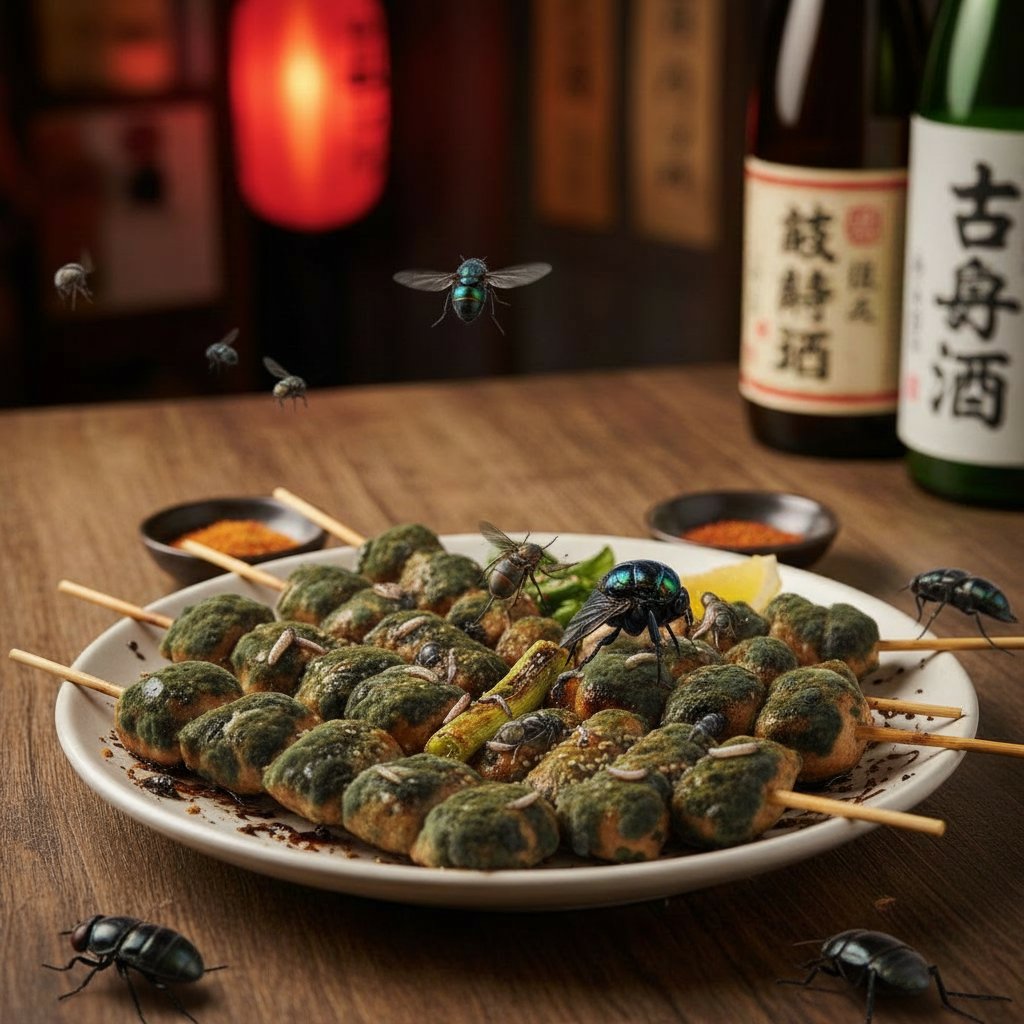
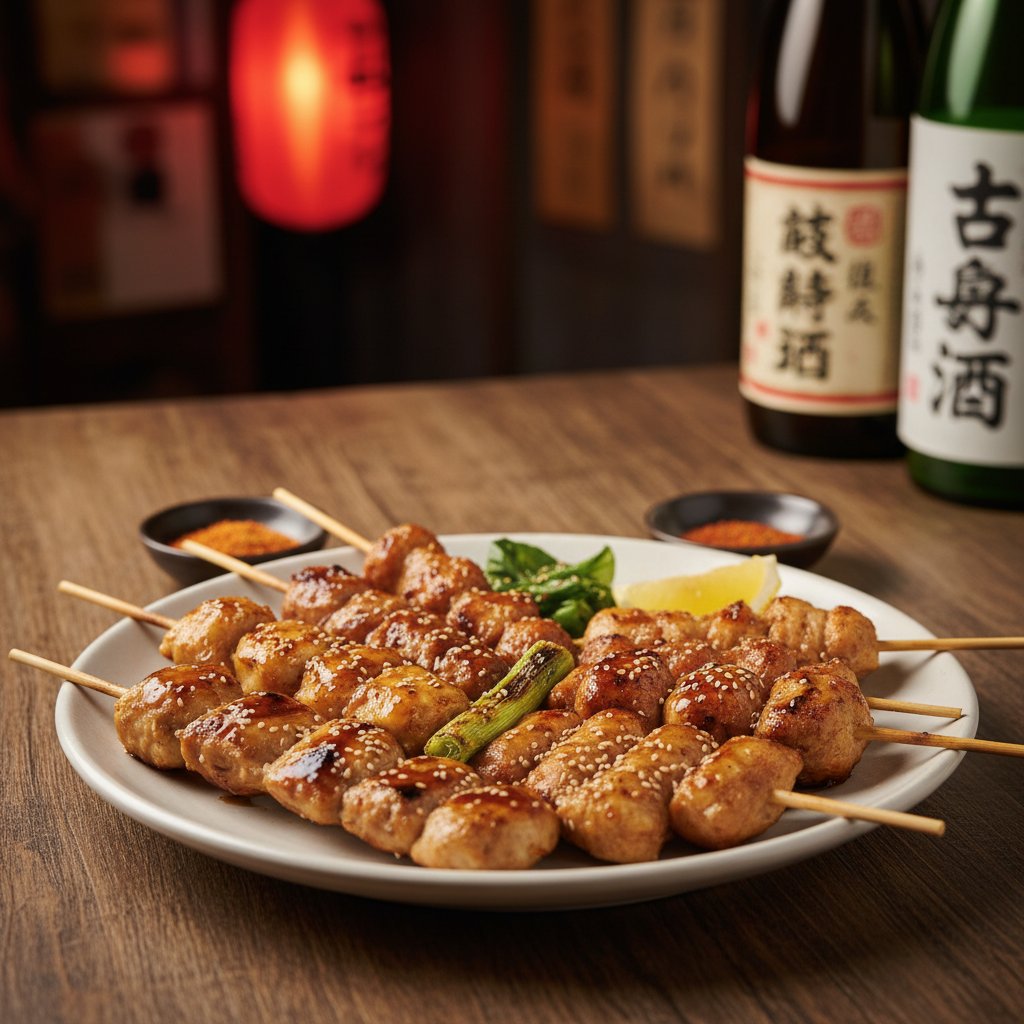
Welcome back to Temperature & Taste, where we strip away culinary romance to reveal the biological reality of what you are consuming. Today, we are dismantling the 'health halo' surrounding Yakitori. In the realm of deceptive dieting, few dishes perform as effectively as these Japanese grilled chicken skewers. Because it is poultry and lacks a heavy breading, the average consumer categorizes this as a 'lean protein' win. This is a fundamental error in nutritional analysis. Yakitori is not merely chicken; it is a vehicle for three specific compounding health risks: thermal carcinogens, excessive sodium, and, if you choose the popular 'tare' sauce, a glycemic nightmare caused by sugar-coated protein. When you sit at an Izakaya counter, admiring the smoke rising from the charcoal grill, you are essentially watching a chemistry experiment designed to damage your DNA and spike your blood pressure. Let’s look at the numbers, not the nostalgia. 📉
First, we must address the thermal toxicity. The defining characteristic of 'good' Yakitori is the char—the slight blackening of the meat and the smoky aroma. Analytically, this is the most dangerous component. When poultry fat renders and drips onto hot Binchotan charcoal (reaching temperatures over 1,000°C), it undergoes incomplete combustion. The resulting smoke is laden with Polycyclic Aromatic Hydrocarbons (PAHs). This smoke rises and adheres to the surface of the meat. Simultaneously, the meat itself, subjected to such direct, high heat, develops Heterocyclic Amines (HCAs). Research indicates that high consumption of HCAs and PAHs is directly linked to an increased risk of colorectal and pancreatic cancers. You are eating the biological equivalent of diesel exhaust particulates. That 'smoky flavor' you crave is actually Benzopyrene, a Group 1 carcinogen. A standard meal of 5-7 skewers can expose you to PAH levels comparable to smoking a pack of cigarettes. There is nothing 'clean' about ingesting mutated organic compounds, regardless of how high-quality the chicken was before you burned it.
Let’s discuss the macronutrient profile, specifically regarding the 'Tare' (sauce) variety and the high-fat cuts. Most diners do not order plain breast meat (Sasami). They order 'Kawa' (skin), 'Bonjiri' (tail), or 'Tsukune' (meatballs). A single skewer of chicken skin packs nearly 100 calories, almost entirely derived from saturated fats. When this fat is coated in Tare—a reduction of soy sauce, mirin, sake, and sugar—you are creating a textbook example of Advanced Glycation End-products (AGEs). AGEs form when protein and sugar are heated together (the Maillard reaction). These compounds contribute to oxidative stress and inflammation in the body, accelerating cellular aging and vascular stiffening. The sugar content in the glaze is deceptive; a typical Izakaya meal can easily hide 20-30 grams of added sugar, glazed directly onto the protein where it is absorbed rapidly. You are spiking your insulin while simultaneously loading your arteries with saturated lipids. It is a metabolic disaster disguised as a light meal. ⚠️
Finally, the sodium content in Yakitori is indefensible. Even if you opt for 'Shio' (salt) over 'Tare' to avoid the sugar, you are subjecting your renal system to acute stress. A single skewer, seasoned by a heavy-handed chef to cut through the fat, can contain between 200mg to 400mg of sodium. A 'light' dinner of 8 skewers puts you anywhere from 1,600mg to 3,200mg of sodium in one sitting—often exceeding the recommended daily limit of 2,300mg before you've even touched an appetizer or a drink. This induces immediate water retention, increasing blood volume and placing strain on arterial walls. This is not 'clean eating'; this is a hypertensive event on a stick. The physiological cost of processing the carcinogens, the sugar-protein bonds, and the sodium load makes Yakitori a highly inefficient fuel source that taxes your liver and kidneys far more than it nourishes your muscles. Eat it if you must, but do not pretend it is healthy.
📌 Truth Summary
- Carcinogenic Load: The grilling process creates HCAs and PAHs (Class 1 Carcinogens) comparable to inhaling cigarette smoke due to fat dripping on charcoal.
- Sodium Toxicity: A standard meal of 8 skewers can deliver over 3,000mg of sodium, causing immediate vascular constriction and kidney strain.
- Glycation Risks: The 'Tare' glaze combines sugar and protein under high heat, forming Advanced Glycation End-products (AGEs) that accelerate cellular aging.
- Deceptive Macros: Popular cuts like 'Kawa' (skin) and 'Bonjiri' (tail) are over 80% fat calories, negating the 'lean protein' benefits of poultry.