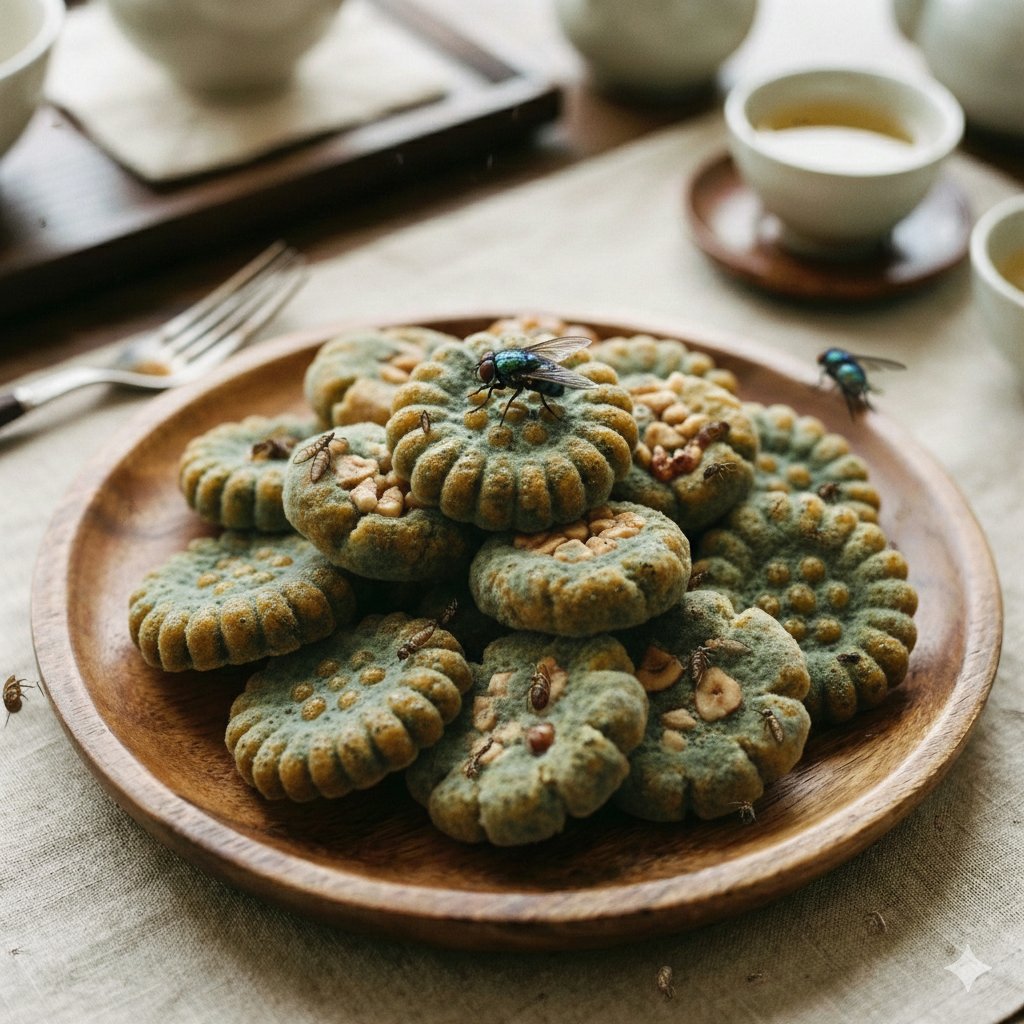
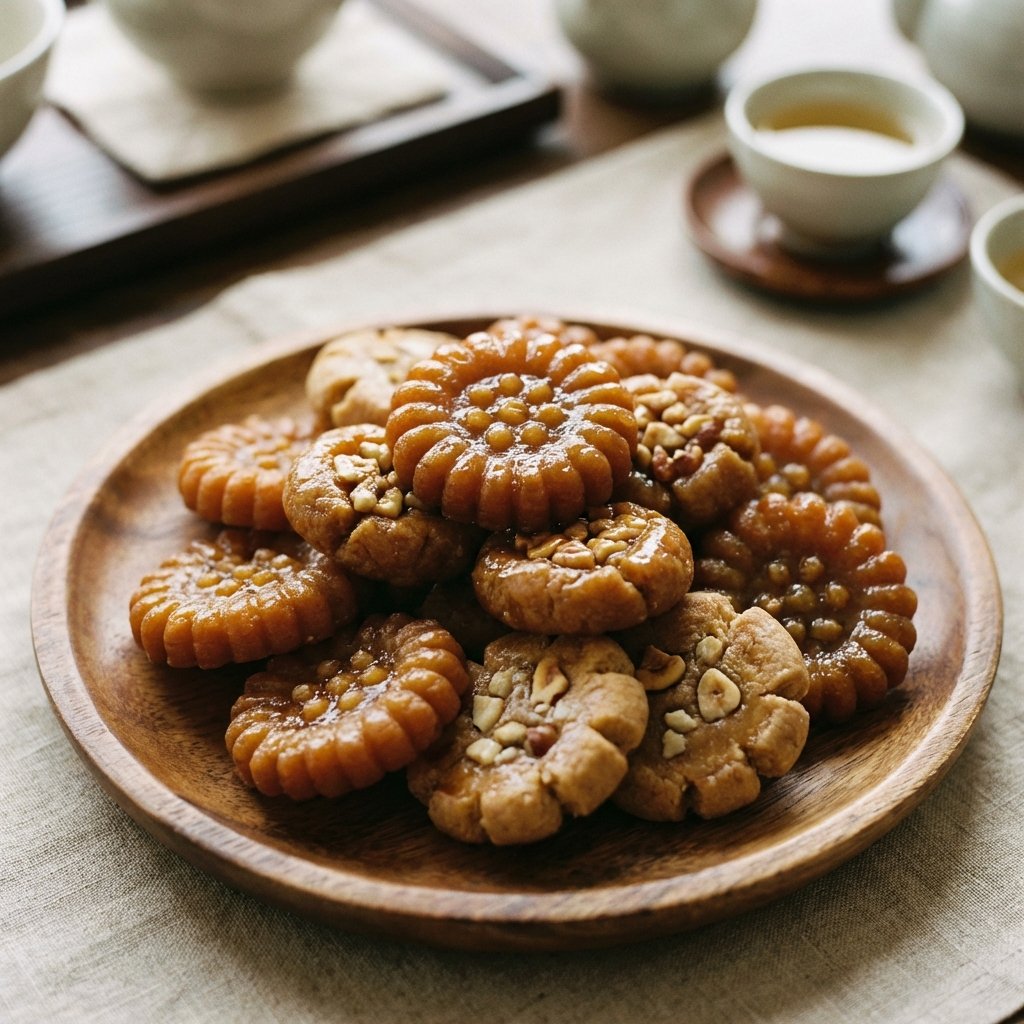
The viral resurgence of 'Halhal-maemal' (grandma millennial) trends has birthed a nutritional monstrosity known as the Yakgwa Cookie. While social media influencers swoon over its chewy texture and rustic aesthetic, a cold, clinical look at its composition reveals nothing short of a metabolic assault. Let us deconstruct what this item actually is: a dense, butter-laden Western-style cookie base topped with a traditional Korean confection that is, by definition, deep-fried flour soaked in syrup. This is not cultural fusion; it is a synergistic amplification of the worst macronutrient profiles available in modern food processing. A single Yakgwa cookie, depending on size and filling (often cream cheese or ganache), can range between 600 to 800 calories. To put this into perspective, consuming one of these is calorically equivalent to eating a substantial fast-food burger, yet it provides zero satiating protein and negligible micronutrients. It is an energy-dense, nutrient-poor brick designed to override your body’s satiety signaling mechanisms (leptin) through hyper-palatability. You are essentially consuming a third of your daily caloric requirement in a vehicle composed entirely of refined carbohydrates and oxidized lipids. 📉
The primary structural component of the Yakgwa topping is wheat flour and sesame oil, deep-fried and then drenched in 'Jocheong' (grain syrup) or, more commonly in mass production, high-fructose corn syrup mixtures. This preparation method is a textbook generator of Acrylamide, a Group 2A probable human carcinogen formed when starchy foods are cooked at high temperatures (above 120°C/248°F). The Maillard reaction, which gives the Yakgwa its characteristic golden-brown color and savory flavor, is simultaneously creating these harmful chemical byproducts. Furthermore, the porous nature of the fried dough acts as a sponge for the frying medium. If the manufacturer utilizes cheap vegetable oils (soybean or corn oil) repeatedly—a common industry cost-cutting measure—you are ingesting significant amounts of lipid peroxidation products and aldehydes, which are directly linked to cellular oxidative stress and inflammation. The addition of the cookie base underneath merely compounds this issue by introducing even more fats, often largely saturated if butter is used, or trans-fats if margarine or shortening is employed to maintain structure at room temperature.
Physiologically, the Yakgwa Cookie is an insulin nightmare. The glycemic load of this dessert is astronomical. The combination of refined flour (from both the cookie and the yakgwa) and the liquid sugar coating guarantees a rapid spike in blood glucose. However, the presence of high dietary fat creates a phenomenon known as the 'pizza effect,' or delayed postprandial hyperglycemia, where the fat slows gastric emptying, keeping blood sugar elevated for a prolonged period. This forces the pancreas to pump out insulin continuously, contributing to insulin resistance over time. More concerning is the trend of filling these cookies with cream cheese or vanilla ganache. This introduces a heavy dose of saturated fat alongside the sugar. In nutritional biochemistry, this specific combination is the most efficient way to promote lipogenesis (fat storage). When high levels of insulin (triggered by the syrup and flour) unlock the cells, the accompanying high levels of dietary triglycerides are ushered directly into adipose tissue. It is a formula perfectly engineered to increase visceral fat and elevate LDL cholesterol particles. 🧪
Ultimately, the texture that fans describe as 'chewy' or 'sticky' is merely a sensory trap masking a lack of nutritional value. That density is the result of gluten development and solidified fat. From an analytical standpoint, there is no 'safe' serving size for a Yakgwa Cookie because it offers no biological benefit to counterbalance its toxicity. It is an inflammatory bomb that stresses your endothelial lining, spikes your insulin, and burdens your liver with fructose and oxidized oils. In the pursuit of health and longevity, foods that combine deep-frying, refined sugar soaking, and heavy baking fats must be categorized not as 'treats,' but as bio-hazards. The nostalgia factor is not worth the systemic inflammation. Avoid this trend if you value your metabolic baseline.
📌 Truth Summary
- Caloric Density: A single unit contains 600-800+ calories, primarily from empty sources, surpassing the energy load of a full meal without providing satiety.
- Carcinogen Formation: The deep-frying process of the Yakgwa topping generates Acrylamide and promotes the intake of oxidized, inflammatory oils.
- Glycemic Impact: The combination of syrup-soaked refined carbohydrates causes severe glucose spikes, while the fat content prolongs high blood sugar levels.
- Lipid Profile Risk: High concentrations of saturated fats (cookie/filling) mixed with seed oils (frying) create a dangerous profile for cardiovascular health.