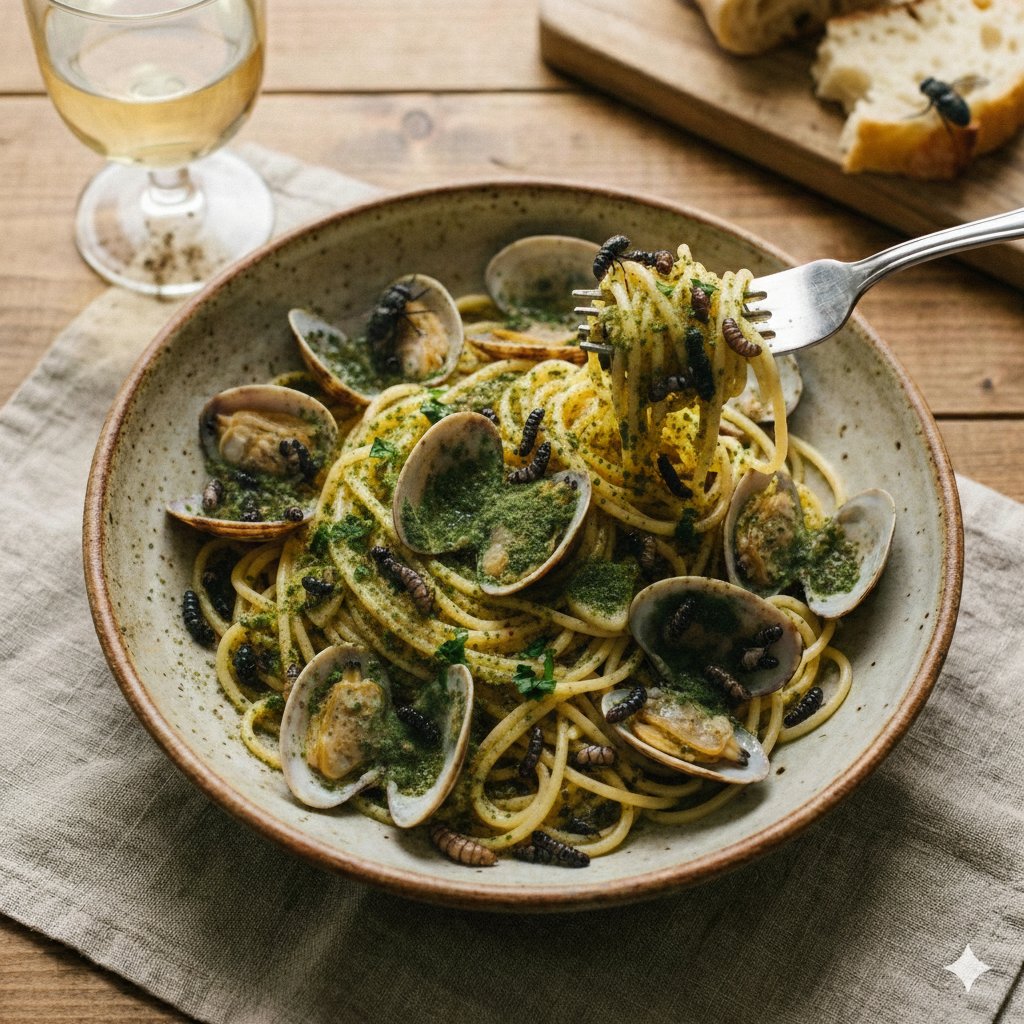
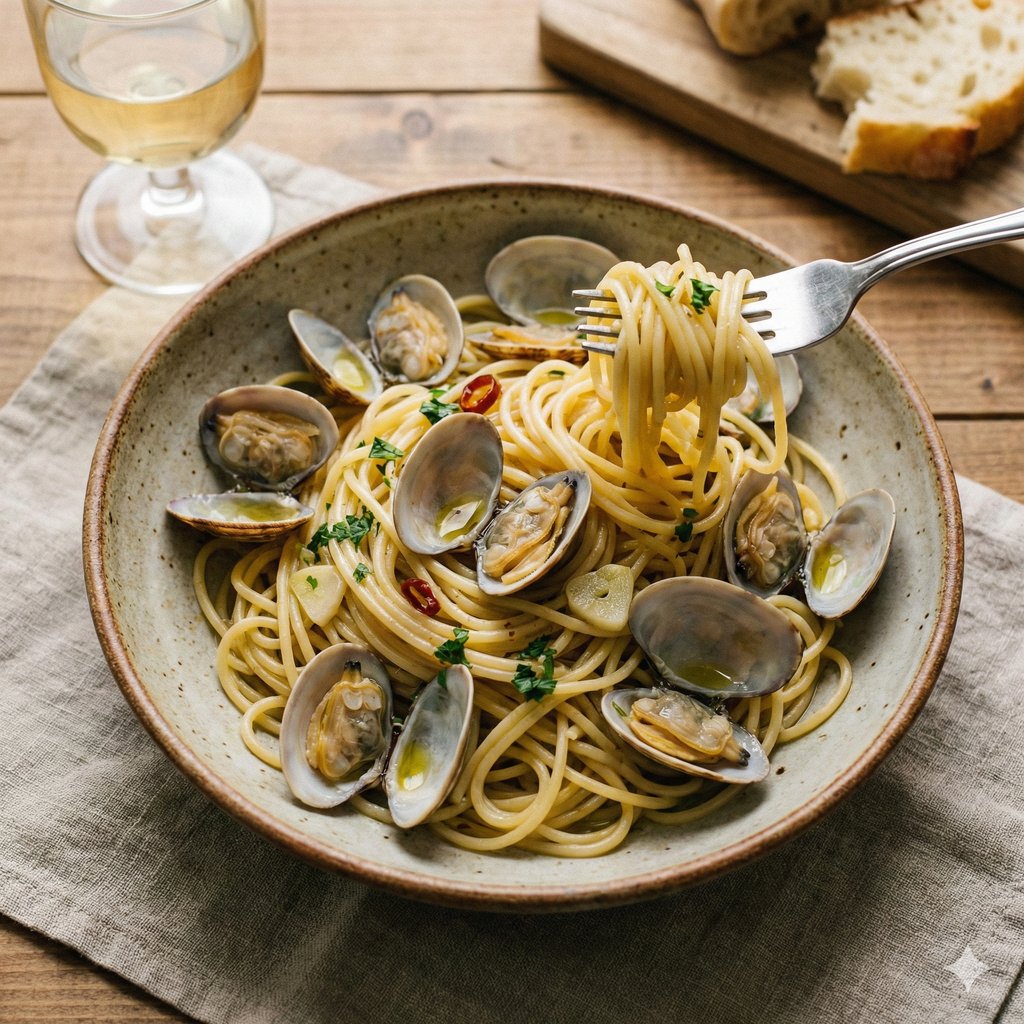
There is a pervasive, almost comical misconception in the culinary world that because a dish is 'clear' or lacks heavy cream, it is somehow metabolically benign. Vongole pasta—spaghetti with clams—is the poster child for this nutritional delusion. You sit there, twirling your fork, convinced that the absence of Alfredo sauce and the presence of shellfish makes this a 'light' meal. Let’s dissect the biochemistry on your plate, because the numbers paint a disturbing picture of inflammation and metabolic stress. Fundamentally, Vongole is a masterclass in deception. It consists of three primary pillars: refined carbohydrates, oxidized lipids, and a sodium concentration that rivals seawater. Let’s start with the base: white pasta. Even if cooked 'al dente,' which supposedly lowers the Glycemic Index (GI), you are consuming processed semolina wheat. A standard restaurant portion contains roughly 100g to 150g of dry pasta, which balloons into a massive carbohydrate load. We are talking about a rapid conversion to glucose, causing a postprandial blood sugar spike that demands an immediate, aggressive insulin response. This isn't fuel; it's a panic signal to your pancreas. The lack of fiber in white pasta means there is no buffer for this glucose absorption, leading to the inevitable crash and craving cycle that drives metabolic syndrome. You are essentially eating a bowl of sugar chains held together by gluten.
Now, let’s address the lipid profile and the 'emulsion' that chefs are so proud of. The sauce in a Vongole is not a natural broth; it is a forced suspension of starch water and oil. While olive oil is touted for its polyphenols, the sheer volume used in restaurant Vongole—often upwards of 4 to 5 tablespoons to achieve that glossy coating—adds nearly 500 to 600 calories of pure fat to the dish before you even count the carbohydrates. Furthermore, the garlic and chili are often sautéed at high temperatures. If that oil reaches its smoke point, we are introducing lipid peroxidation and free radicals into the meal. But the real silent killer here is sodium. 🧂 Clams are naturally saline. They are then cooked in their own briny liquor, often deglazed with wine (adding residual sugars and acidity), and tossed with pasta water that has been heavily salted. A single serving of Vongole pasta frequently exceeds 2,300mg of sodium—that is 100% of your recommended daily maximum in one sitting. This induces immediate water retention, spikes blood pressure, and places immense strain on your renal system and cardiovascular endothelium. You walk away from the table bloated not just from the gluten, but from acute systemic edema.
Perhaps the most disturbing aspect of Vongole is the protein source itself: the clams. We romanticize seafood, but we ignore the biological reality of bivalves. Clams are filter feeders. They are the vacuum cleaners of the ocean floor. While they do provide protein and iron, they also bioaccumulate whatever is in their environment. In the 21st century, this means heavy metals like cadmium and lead, and, more concerningly, microplastics. Recent studies suggest that shellfish consumers may ingest thousands of microplastic particles annually. When you eat the whole organism—gut and all, which is the case with clams—you are directly ingesting these accumulated toxins. Moreover, the risk of pathogenic contamination, such as *Vibrio* bacteria or Norovirus, remains statistically higher in shellfish than most other protein sources. Even when cooked, the biotoxins from harmful algal blooms (like domoic acid) are heat-stable and cannot be destroyed. You aren't just eating seafood; you are eating a concentration of marine pollution. 📉 The nutritional trade-off is simply not worth it. The meager amount of protein provided by a dozen small clams does not offset the massive inflammatory load of the refined flour and the sodium bomb they are served in.
Finally, we must look at the complete nutrient void. Aside from the trace minerals in the clams (and the toxins accompanying them), what are you actually feeding your cells? Vongole is a 'beige' meal. It lacks the phytonutrient diversity found in colorful vegetables. It is almost entirely devoid of dietary fiber, meaning it does nothing to support the gut microbiome—in fact, the combination of alcohol, gluten, and excess sodium acts as a gut irritant, potentially increasing intestinal permeability (leaky gut). From a thermogenic perspective, the meal is inefficient; the high fat and carb content promotes adipose storage rather than energy expenditure. Analytical eating requires looking past the flavor profile to the macronutrient density and toxicity risks. Vongole pasta fails on almost every metric that matters for longevity and metabolic health. It is a dish designed for palatability, relying on the cheap biological hacks of salt, sugar (from the starch), and fat to trick your brain into pleasure while your body struggles to maintain homeostasis. If you value your vascular health and insulin sensitivity, leave the clams in the ocean and the white flour on the shelf.
📌 Truth Summary
- Sodium Toxicity: A single plate can contain over 2,300mg of sodium, instantly maxing out your daily limit and stressing cardiovascular function.
- Glycemic Disaster: Refined white flour creates a rapid glucose spike and insulin surge, promoting fat storage and metabolic inflammation.
- Bioaccumulation Risk: Clams act as filter feeders that accumulate microplastics, heavy metals (cadmium), and marine biotoxins which you ingest directly.
- Caloric Deception: Despite looking 'light,' the emulsified oil sauce adds hundreds of hidden calories, creating a nutrient-poor, energy-dense caloric surplus.