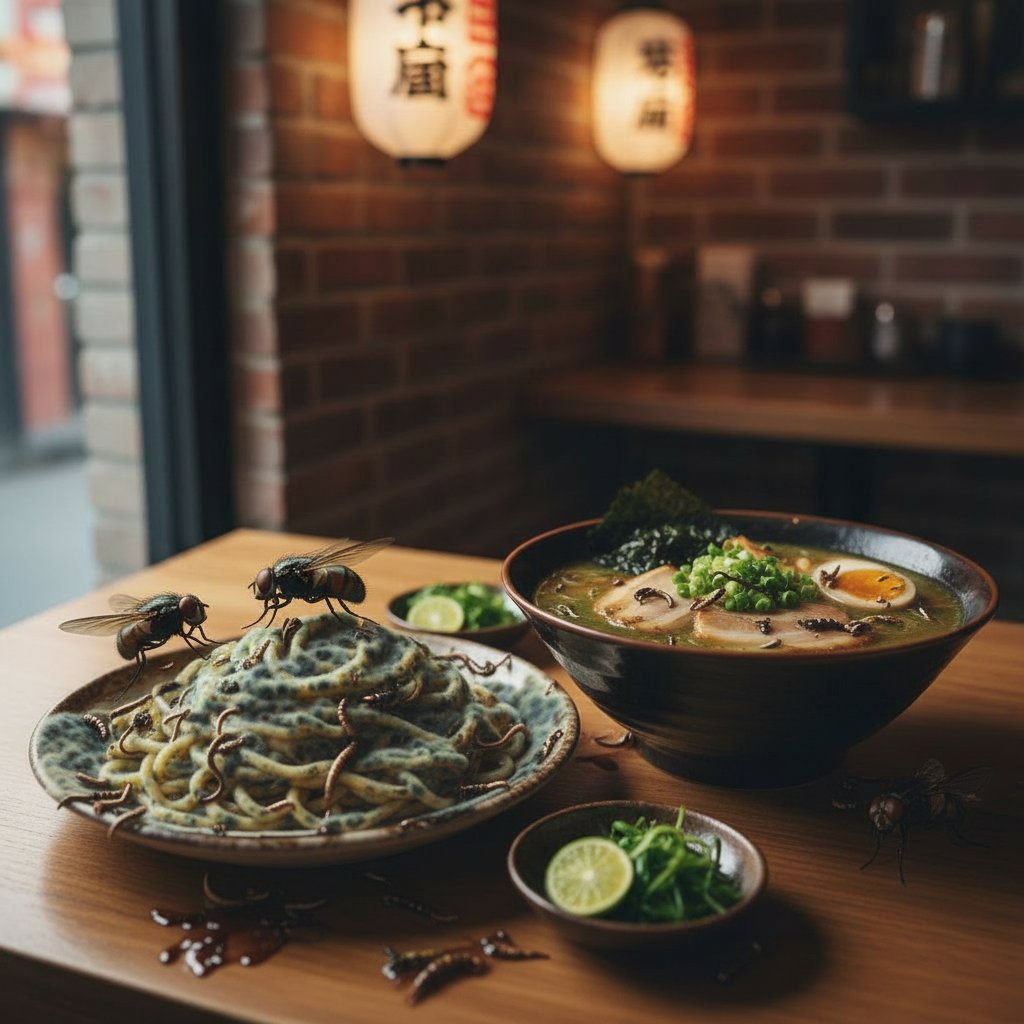
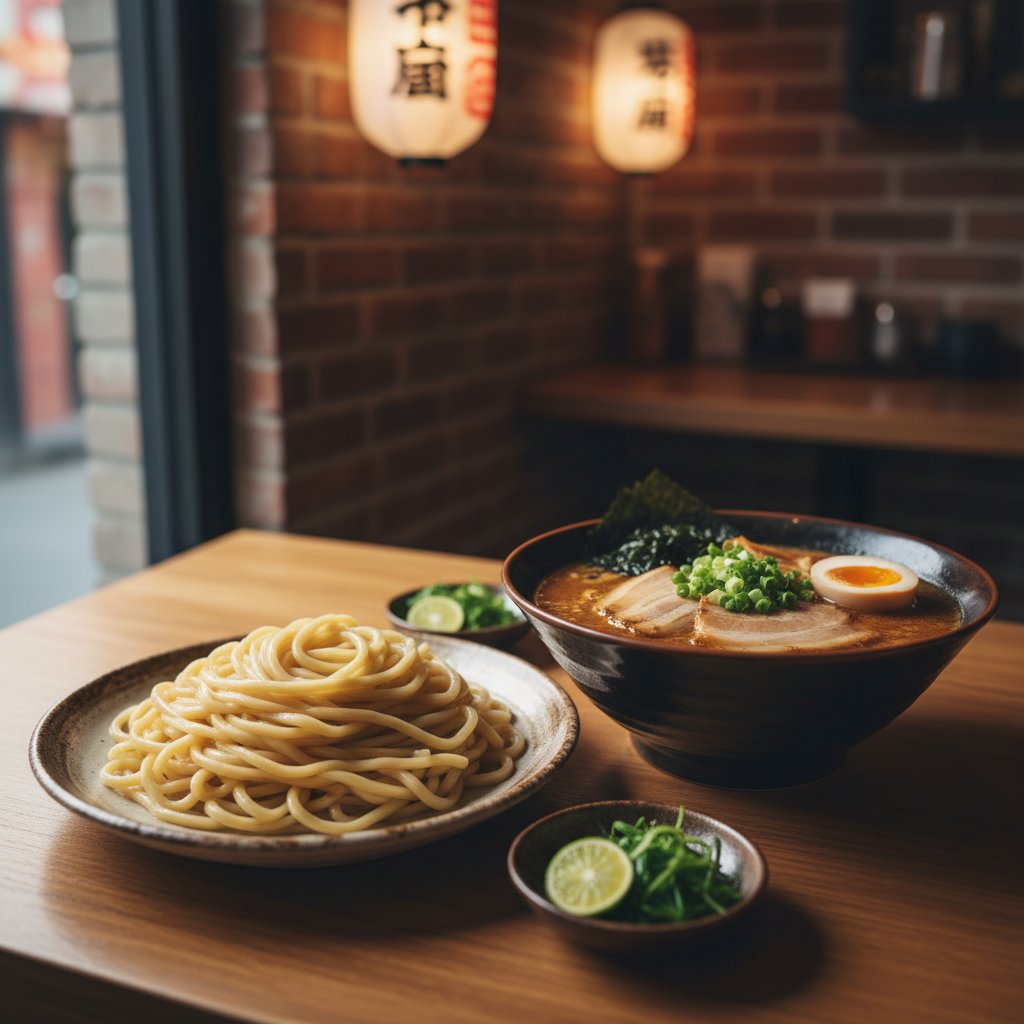
Let’s dispense with the romanticized notion of 'craftsmanship' surrounding Japanese noodles and look at the biological reality of Tsukemen. Unlike standard ramen, where the broth is diluted, Tsukemen involves dipping cold, rinsed noodles into a concentrated, hyper-saline sludge known as tsukedare. This distinction is critical because it creates a delivery system for sodium and fat that far exceeds the body's homeostatic limits. We are not discussing a meal here; we are discussing a bio-hazard. A standard serving of these thick, wheat-based noodles contains roughly 300 to 400 grams of refined carbohydrates. These are not complex grains; they are stripped of fiber and nutrients, leaving behind pure starch that your body converts to glucose with terrifying efficiency. The glycemic load of the noodles alone is enough to send your pancreas into shock, demanding a massive insulin response that promotes immediate fat storage. But the noodles are merely the vehicle. The thickness of the noodle is engineered specifically to increase surface area, ensuring that every bite drags up the maximum amount of the toxic dipping sauce. 📉
Now, let us analyze the tsukedare. To achieve that viscous consistency that fans rave about, chefs boil down pork bones and fat for hours, sometimes days. This results in an emulsion of gelatin and rendered pork back fat (se-abura). Analytically speaking, you are dipping refined sugar (the noodles) into liquefied saturated fat. A single bowl of Tsukemen frequently exceeds 1,200 calories, with a significant portion derived from lipids that harden at room temperature—imagine what that does inside your vascular system. However, the fat is secondary to the sodium content. Because the sauce is meant to be dipped, it is seasoned much more aggressively than soup. We are looking at sodium levels ranging from 3,000mg to over 5,000mg per serving. That is more than double the American Heart Association’s recommended daily limit in a single sitting. This level of salinity forces your kidneys into overdrive, increasing blood volume and placing immense mechanical stress on your arterial walls. It is a recipe for hypertension disguised as umami.
We must also address the toppings, specifically the Chashu (braised pork belly). This cut is almost exclusively fat and protein modified by the Maillard reaction. While tasty, the charring process creates Advanced Glycation End-products (AGEs) and potential heterocyclic amines, which are known carcinogens. Furthermore, the pork is often marinated in a bath of soy sauce and sugar, adding hidden fructose to the savory profile. The 'Ajitama' (seasoned egg) is similarly compromised, soaked in sodium until the yolk cures into a gel. When you consume this trinity of processed wheat, oxidized fats, and charred meats, you trigger a systemic inflammatory response. Your body creates oxidative stress trying to process the additives and the sheer volume of fuel, leading to lethargy—often mistook for a 'food coma'—which is actually a sign of acute metabolic distress. 🚫
The final insult to your physiology is the ritual of 'Soup-Wari.' After consuming the noodles, diners are encouraged to dilute the remaining dipping sauce with hot dashi and drink it. This ensures that you ingest every last milligram of sodium that wasn't already clinging to the noodles. From a nephrological standpoint, this is madness. You are voluntarily flooding your system with a hypertonic solution that dehydrates your cells and causes massive water retention. The bloating you feel afterward is not just fullness; it is edema. If you value your endothelial function, insulin sensitivity, and long-term renal health, Tsukemen is an illogical choice. It offers zero nutritional density in exchange for maximum caloric toxicity.
📌 Truth Summary
- Sodium Toxicity: Contains 3,000mg–5,000mg of sodium (200%+ DV), placing extreme stress on kidneys and arterial elasticity.
- Glycemic Disaster: 400g of refined wheat noodles creates a massive insulin spike, promoting immediate visceral fat storage.
- Lipid Profile: The broth is an emulsion of rendered pork back fat, loaded with saturated fatty acids that promote atherosclerosis.
- Carcinogenic Load: Charred Chashu and oxidized fats introduce Advanced Glycation End-products (AGEs) into the bloodstream.