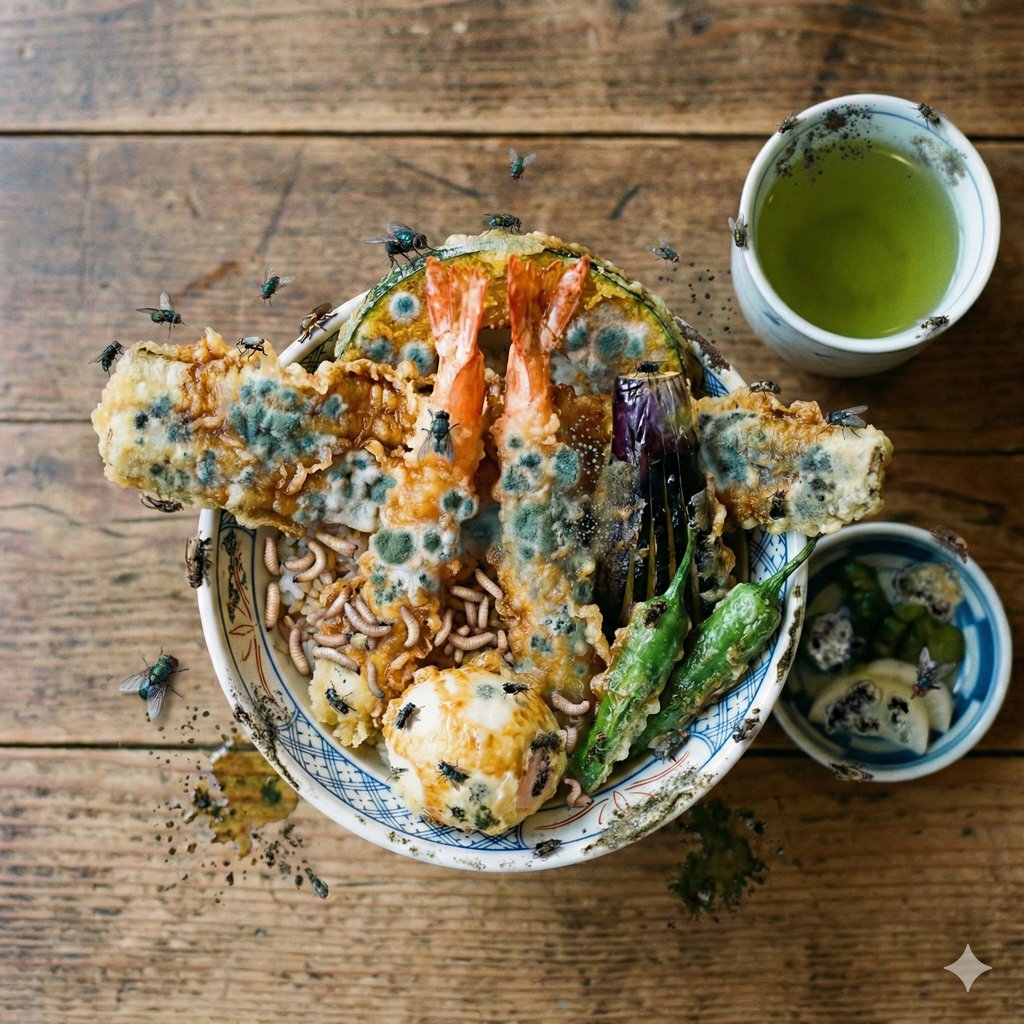
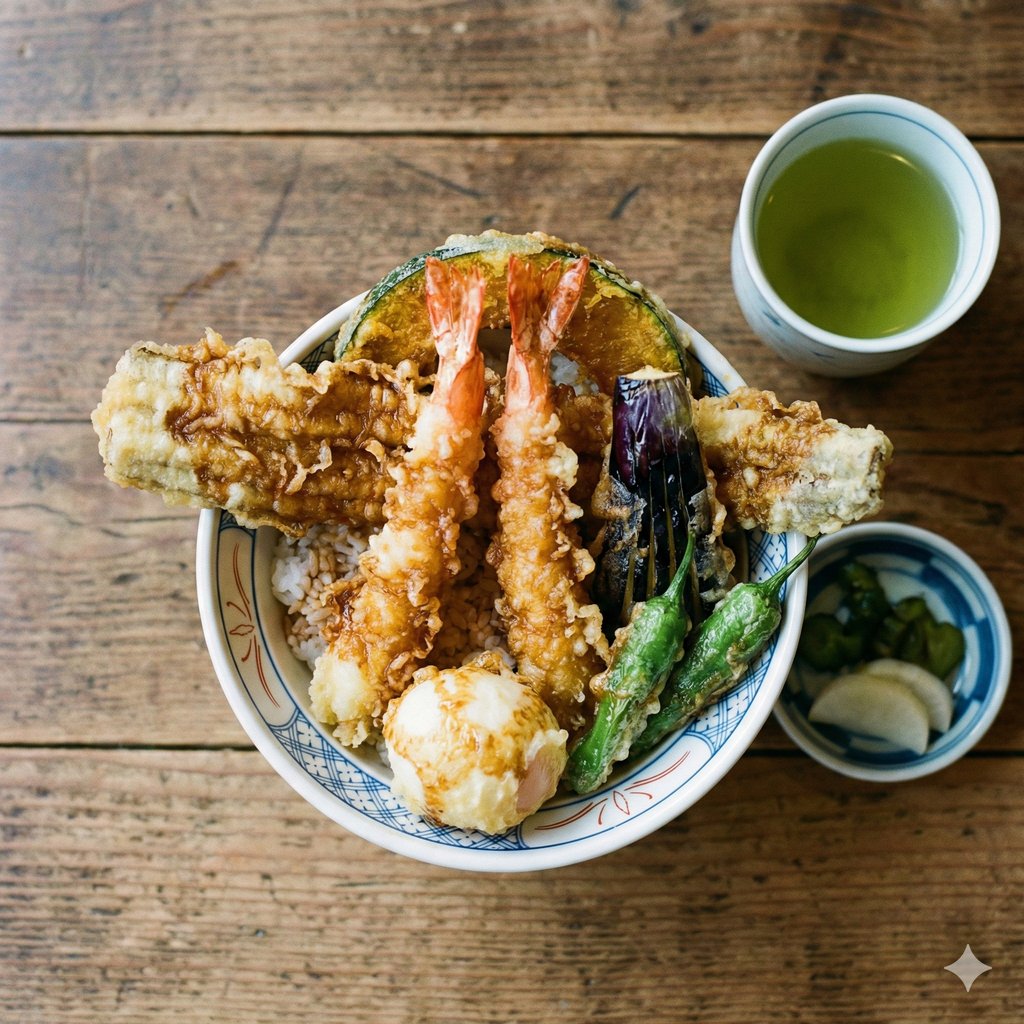
When you look at a bowl of Tendong, you likely see an aesthetic arrangement of golden-brown delight—a towering monument to culinary texture. I, however, see a chemical incident report waiting to be filed. To the average diner, the audible crunch of tempura is satisfying; to me, it is the sound of cellular inflammation. Let us strip away the romanticism of Japanese cuisine and analyze the physiological reality of consuming a Tendong. This dish is essentially a caloric gravity well, pulling your metabolic health into a void from which it struggles to escape. A standard bowl of Tendong frequently exceeds 1,200 to 1,400 calories. However, focusing solely on the caloric total is amateurish. The true horror lies in the source of those calories. The batter—a slurry of refined wheat flour and ice-cold water—is designed specifically to maximize surface area. When this matrix hits oil heated to 170°C-180°C, the water evaporates explosively, leaving behind a porous structure that acts as a hyper-efficient sponge for lipids. You are not eating shrimp or vegetables; you are eating a delivery system for oxidized vegetable oil. In many establishments, this oil is reused throughout the day, leading to the formation of thermal degradation products such as aldehydes and lipid peroxides. These compounds are cytotoxic and mutagenic, actively promoting oxidative stress at a cellular level once ingested. 🧪
Let us proceed to the carbohydrate profile, which can only be described as a glycemic nightmare. Tendong represents a 'double-carb' assault: the refined wheat flour of the batter encasing the food, resting upon a bed of refined white rice. Both components possess a high Glycemic Index (GI), causing a rapid influx of glucose into the bloodstream. This forces your pancreas to release a torrential amount of insulin to manage the spike. The batter, specifically, is often mixed with cornstarch or baking powder to ensure crispness, further reducing the fiber content to near zero. When you combine high-glycemic carbohydrates with high concentrations of dietary fat (the frying oil), you create the perfect storm for 'supra-physiological' nutrient storage. The presence of fat delays gastric emptying, but the insulin spike still occurs, effectively locking your body into fat-storage mode for hours post-consumption. Furthermore, the browning of the batter is evidence of the Maillard reaction. While tasty, at the temperatures required for deep-frying, this reaction produces Acrylamide, a Group 2A carcinogen according to the International Agency for Research on Cancer. You are essentially paying for a bowl of neurotoxins garnished with a dopamine hit.
Perhaps the most insidious deception of Tendong is the inclusion of vegetables—pumpkin, eggplant, shishito peppers, and lotus root. Diners often rationalize this meal as 'balanced' due to the presence of plant matter. This is a delusion. The structural integrity of vegetables like eggplant (nasu) makes them particularly dangerous in this context; their spongy cellular matrix can absorb up to 400% of their weight in oil during the frying process. Any heat-sensitive micronutrients, such as Vitamin C or B-complex vitamins, are largely annihilated by the extreme thermal shock of deep-frying. What remains is a husk of cellulose saturated with Omega-6 fatty acids (usually from cheap soybean or canola oil blends), creating a pro-inflammatory ratio that disrupts your body’s lipid balance. The 'Onsen Tamago' (soft-boiled egg) often broken over the rice serves only to add cholesterol to the oxidized fats, while the yolk emulsifies with the oil and starch to override your brain’s satiety signals, encouraging you to finish the entire bowl despite the excessive caloric load. 📉
Finally, we must address the chemical binder that ties this chaotic meal together: the 'Tare' or Tendong sauce. This viscous dark liquid is not merely soy sauce; it is a reduction of soy sauce, mirin, sake, and significant amounts of added sugar or high-fructose corn syrup. A single serving of Tendong, once drenched in this sauce and combined with the seasoned batter, can easily contain over 1,800mg of sodium—approaching the recommended daily limit in a single sitting. This sodium load induces immediate fluid retention and increases systolic blood pressure, placing unnecessary strain on the vascular system. Combined with the Advanced Glycation End-products (AGEs) formed during the frying process, this meal is a catalyst for vascular stiffening and accelerated aging. In conclusion, Tendong is not a meal; it is a recreational bio-hazard. It offers zero nutritional redemption, trading your long-term vascular health for 15 minutes of textural gratification.
📌 Truth Summary
- Lipid Peroxidation: The porous batter acts as a sponge for thermally degraded, oxidized oils containing cytotoxic aldehydes.
- Glycemic Load: Refined flour plus white rice triggers a severe insulin response, exacerbated by high fat intake.
- Carcinogenic Byproducts: The high-heat frying process generates Acrylamide and Advanced Glycation End-products (AGEs).
- Nutrient Void: Vegetable nutrients are destroyed by heat, replaced by a sodium content often exceeding 1,800mg per bowl.