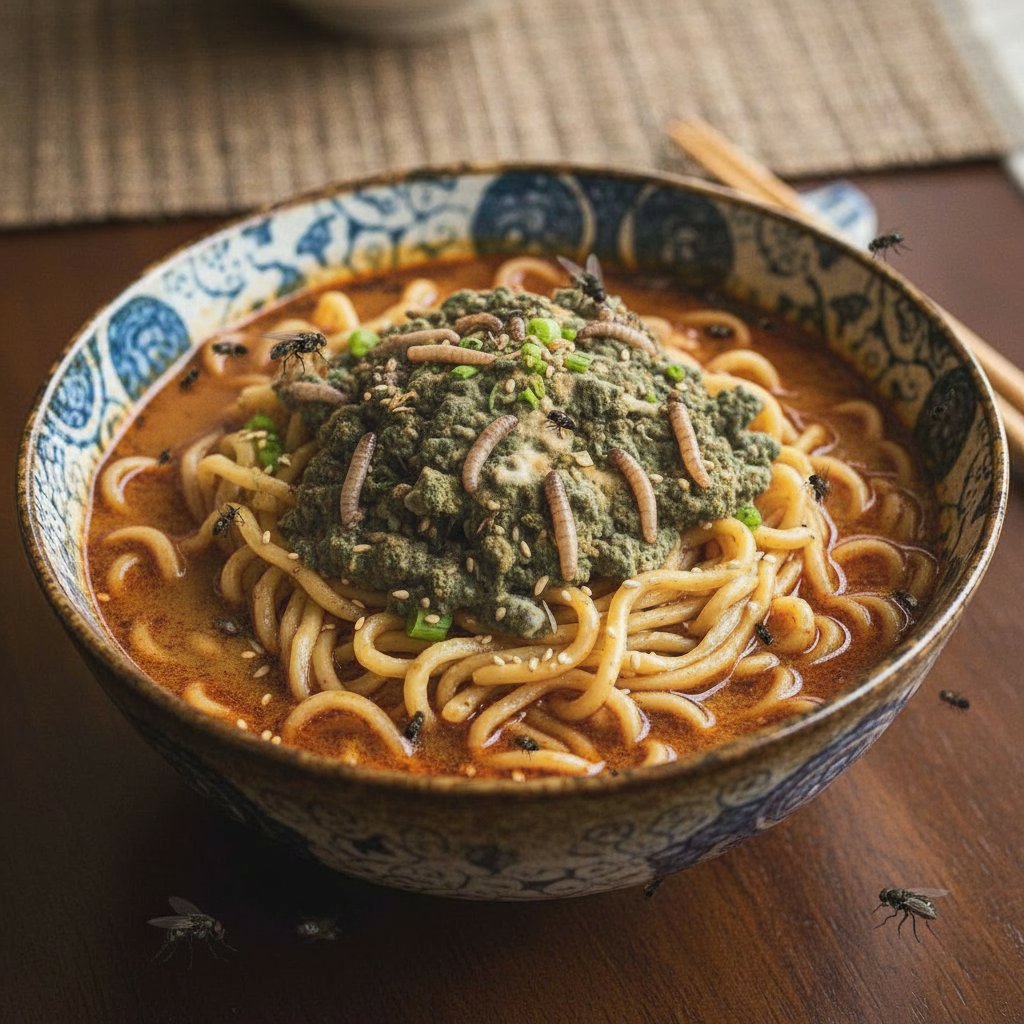
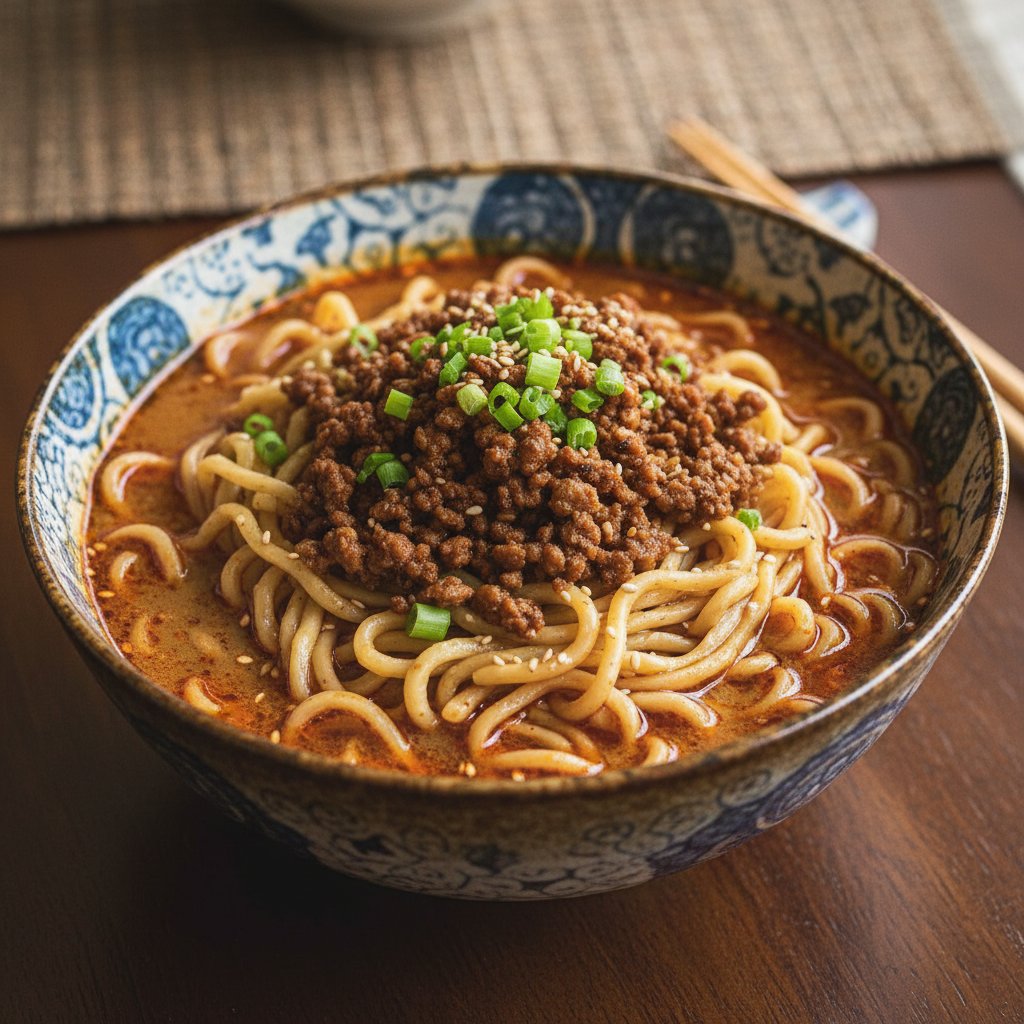
If you treat your body as a high-performance machine, consuming Tantanmen is the equivalent of pouring sand and low-grade sludge into a precision engine. While the masses romanticize the 'rich, nutty broth' and the 'complex spice profile,' a cold analysis of the macronutrient and chemical composition reveals a dish designed to disrupt homeostasis on every conceivable level. Let’s strip away the culinary nostalgia and look at the numbers. A standard bowl of restaurant Tantanmen ranges from 900 to 1,400 calories. This is not efficient fuel; it is a caloric surplus bomb derived almost entirely from the worst possible sources: refined carbohydrates and oxidized fats. The 'richness' you taste is typically a suspension of sesame paste (tahini) and chili oil. While sesame seeds have merit in isolation, the industrial paste used in commercial kitchens is often cut with cheap vegetable oils to maintain viscosity. When combined with the chili oil—usually derived from soybean or rapeseed oil heated to high temperatures—you are ingesting a cocktail of lipid peroxidation products. These oils, rich in Omega-6 fatty acids, promote a pro-inflammatory state within the body, triggering cytokine release and contributing to systemic inflammation 📉. The thermal stress applied to these oils during the preparation of the 'red oil' accelerates the formation of aldehydes, which are cytotoxic and genotoxic. You aren't just eating fat; you are consuming cellular stress.
The sodium content in Tantanmen is, frankly, criminal. A single serving frequently contains between 2,500mg and 3,200mg of sodium. To put this in perspective, the American Heart Association recommends an ideal limit of 1,500mg per day for most adults. In one sitting, you are consuming 200% of your daily allowance. This creates an immediate, violent disruption to your osmotic balance. Upon ingestion, your plasma osmolarity spikes, forcing your body to retain liters of water in a desperate attempt to dilute the saline toxic sludge you’ve introduced to your system. This places an immense mechanical load on the vascular system, spiking blood pressure and forcing the kidneys into overdrive to filter the excess electrolytes. The base of the flavor profile, doubanjiang (spicy bean paste) and preserved vegetables (zha cai), are fermented in brine environments where salt is the primary preservative. Furthermore, the extensive use of MSG (Monosodium Glutamate) in the broth base, while safe in isolation, compounds the total sodium load. The immediate aftermath of this meal is not satiety; it is vascular constriction and bloating. You are effectively brining your internal organs 🛑.
We must also address the glycemic insult provided by the noodles themselves. These are almost exclusively made from refined white wheat flour, stripped of germ and bran. They possess a high Glycemic Index (GI), leading to a rapid surge in blood glucose followed by an insulin spike. Because this glucose enters the bloodstream simultaneously with a massive bolus of dietary fat (from the sesame and chili oil), the body's ability to clear lipids is impaired—a phenomenon known as the Randle Cycle. The high insulin levels lock the fat into adipose tissue, specifically promoting visceral fat accumulation around the liver and organs. Additionally, the meat topping—usually minced pork—is problematic. It is often heavily processed, high in saturated fat, and fried until crispy. This frying process, specifically of ground meat with high surface area, creates Advanced Glycation End-products (AGEs) via the Maillard reaction. AGEs are implicated in the stiffening of blood vessels, oxidative stress, and accelerated aging of tissues. The meat is frequently preserved with nitrates or nitrites before cooking, which can convert to carcinogenic nitrosamines in the stomach.
Finally, there is the issue of digestive distress and the gut microbiome. The combination of high fat, extreme spice (capsaicin), and gluten creates a 'leaky gut' scenario. The capsaicin irritates the gastric lining, while the gluten increases zonulin production, potentially increasing intestinal permeability. This allows endotoxins (lipopolysaccharides) from the gut bacteria to enter the bloodstream, triggering further systemic immune responses. Tantanmen is an illusion of sustenance. It provides no micronutrient density—vegetables are usually limited to a token garnish of bok choy that has been boiled to death, stripping it of water-soluble vitamins. You are paying for a bowl of hypertension, inflammation, and metabolic confusion. Consumption of this dish is a logical error for anyone prioritizing longevity or physiological efficiency 🧪.
📌 Truth Summary
- Hypertensive Crisis: Contains 2,500mg+ of sodium (approx. 200% of optimal daily intake), causing immediate vascular strain and water retention.
- Lipid Peroxidation: The chili oil base is often thermally abused seed oils, loaded with pro-inflammatory Omega-6s and cytotoxic aldehydes.
- Metabolic Deadlock: High refined carbs combined with high fats trigger the Randle Cycle, impairing nutrient oxidation and maximizing visceral fat storage.
- Carcinogenic Load: Fried processed pork mince introduces Advanced Glycation End-products (AGEs) and potential nitrosamines into the digestive tract.