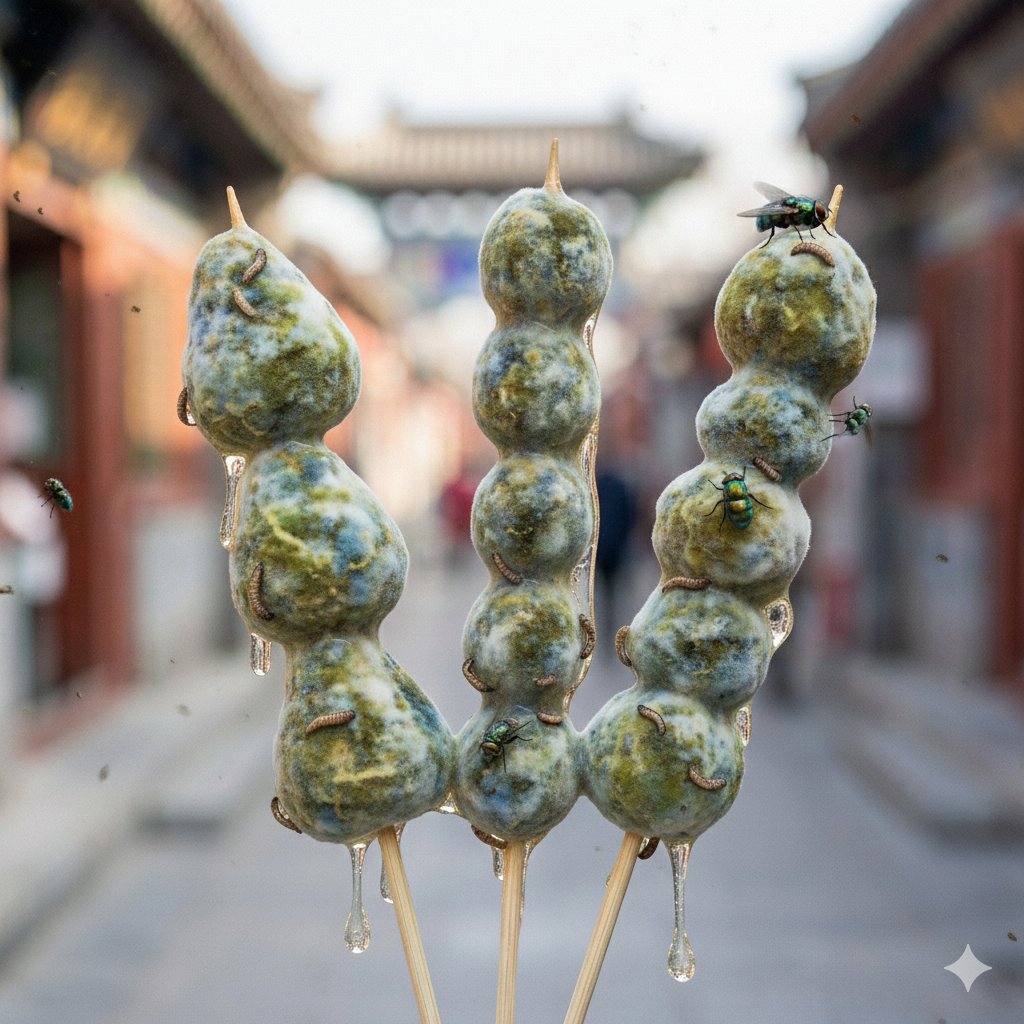
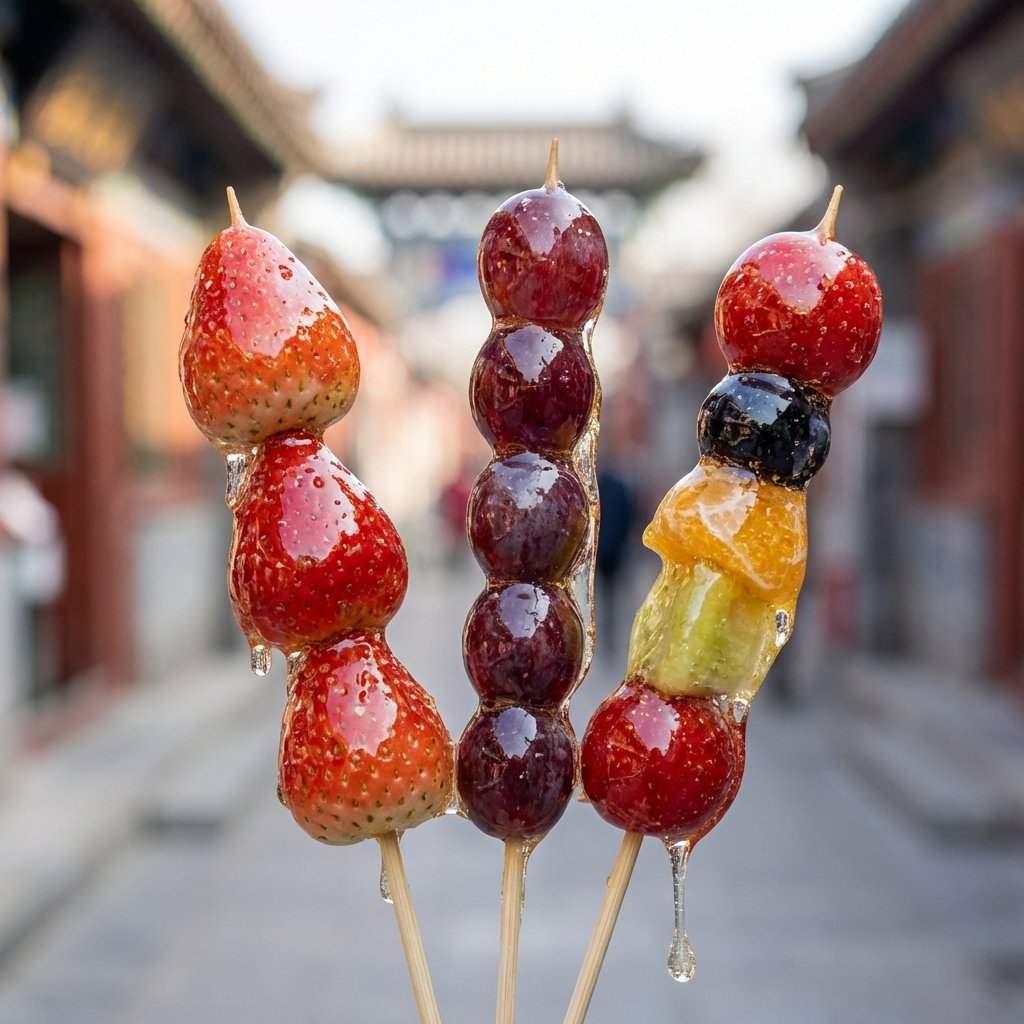
We are currently witnessing a collective nutritional hallucination regarding the viral trend known as Tanghulu. On the surface, it masquerades as a whimsical, harmless treat—fruit skewers encased in a glass-like sugar shell. However, as an analyst of nutritional intake, I find the composition of this 'snack' to be nothing short of a metabolic assault. Let us strip away the aesthetic appeal and look at the chemistry. The preparation involves heating sucrose and water to the 'hard crack' stage, reaching temperatures of approximately 300°F (149°C). When this molten syrup coats the fruit, it creates a rigid, non-porous barrier of pure refined carbohydrates. The problem here is the synergistic toxicity of the ingredients. You are not merely consuming sugar; you are consuming a concentrated delivery system of glucose and fructose. A single skewer of Shine Muscat grapes or strawberries, once coated, can contain upwards of 20-30 grams of added sugar—that is effectively 75% of the recommended daily limit for an adult male in a singular, fleeting moment of consumption. When this hits your bloodstream, the result is not 'energy'; it is panic. Your pancreas is forced to release a torrent of insulin to manage the sudden glycemic load, driving your blood glucose vertically. This creates a cycle of reactive hypoglycemia—the inevitable crash—which only triggers further cravings. It is a masterclass in destabilizing your endocrine system 📉.
Beyond the metabolic wreckage, we must address the mechanical and chemical violence Tanghulu inflicts upon the oral cavity. The texture, often described as 'satisfyingly crunchy,' is physically perilous. The sugar coating, hardened to a glass-like state, possesses a significant hardness on the Mohs scale relative to biological tissue. Shattering this coating requires bite force that can cause micro-fractures in weak enamel or, in worst-case scenarios, dislodge restorative dental work like fillings or crowns. Furthermore, the shards of solidified sugar created upon mastication are sharp enough to cause lacerations to the gingiva (gums) and the soft palate. But the mechanical damage is secondary to the chemical warfare. As the sugar dissolves, it creates a thick, viscous solution that adheres tenaciously to the fissures of the molars. This creates an immediate breeding ground for Streptococcus mutans, the primary bacterium responsible for cavities. These bacteria ferment the sucrose to produce lactic acid, dropping the pH of the mouth below 5.5, the critical threshold where enamel demineralization begins. You are essentially cementing acid-producing agents directly onto your teeth. 🦷
The most insidious aspect of Tanghulu is the 'health halo' provided by the fruit core. Consumers rationalize the intake because there is a strawberry or a tomato inside. This is a dangerous logical fallacy. The nutritional bioavailability of the vitamins in the fruit is rendered negligible by the metabolic burden of the coating. Let us examine the liver's role here. The fruit provides fructose, and the table sugar provides equal parts glucose and fructose. While every cell in your body can utilize glucose, only the liver metabolizes fructose. When you bombard the liver with this concentrated amount of fructose in the absence of fiber (which is negated by the rapid absorption of the sugar shell), you trigger De Novo Lipogenesis. This is the process where the liver turns excess sugar directly into fat. Consumption of such high-density refined carbohydrates is a direct pathway to non-alcoholic fatty liver disease (NAFLD) and insulin resistance. You are taking a benign, fiber-rich food item and weaponizing it against your own hepatic function. A 100g serving of untreated strawberries is roughly 32 calories with a low glycemic load. Encasing that same serving in hardened syrup can triple the caloric density while stripping away any satiation benefits, leaving you metabolically insolvent.
Ultimately, Tanghulu represents the worst of modern food engineering: high palatability, zero nutritional density, and high risk of injury. It exploits the human dopamine reward system by combining the crunch texture—historically a sign of fresh vegetation—with the hyper-sweetness of refined processing. It is a biological trick. From a cold, analytical perspective, there is no justification for its consumption. The risk-to-reward ratio is skewed entirely toward detriment. You are risking dental fractures, spiking your insulin to dangerous levels, and burdening your liver, all for twelve seconds of texture. If you value your metabolic baseline and the structural integrity of your teeth, this trend should be observed from a distance, never engaged with. Facts do not care about the viral aesthetic of your snack. ❄️
📌 Truth Summary
- Glycemic Shock: The combination of fruit fructose and a refined sucrose shell creates an immediate, aggressive spike in blood glucose, forcing an extreme insulin response.
- Dental Trauma Risk: The hard-crack sugar coating is rigid enough to cause enamel micro-fractures and gum lacerations, while the sticky residue accelerates bacterial acid production.
- Hepatic Burden: The concentrated fructose overload triggers De Novo Lipogenesis, forcing the liver to convert the excess sugar directly into visceral fat.
- Caloric Density: The sugar shell triples the caloric content of the fruit without adding satiety, resulting in the consumption of 'empty' calories that contribute to metabolic syndrome.