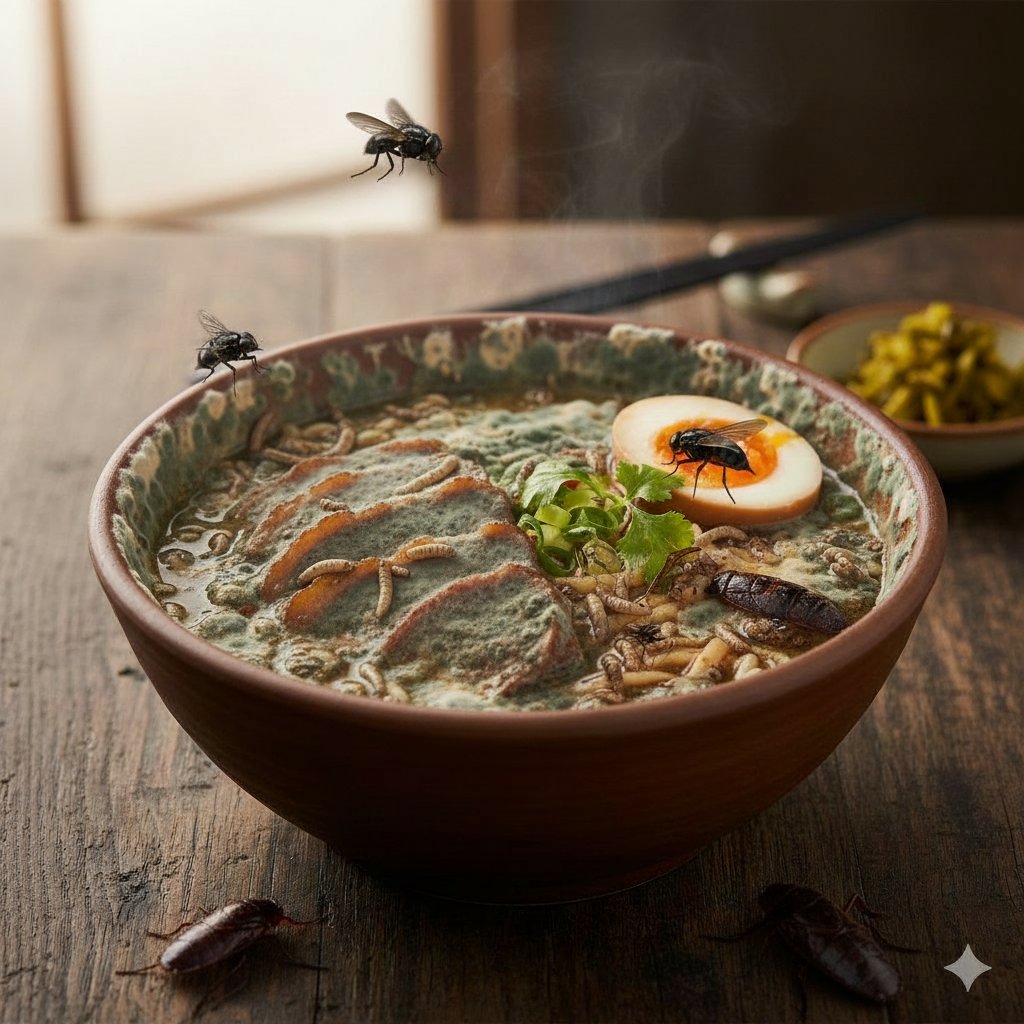
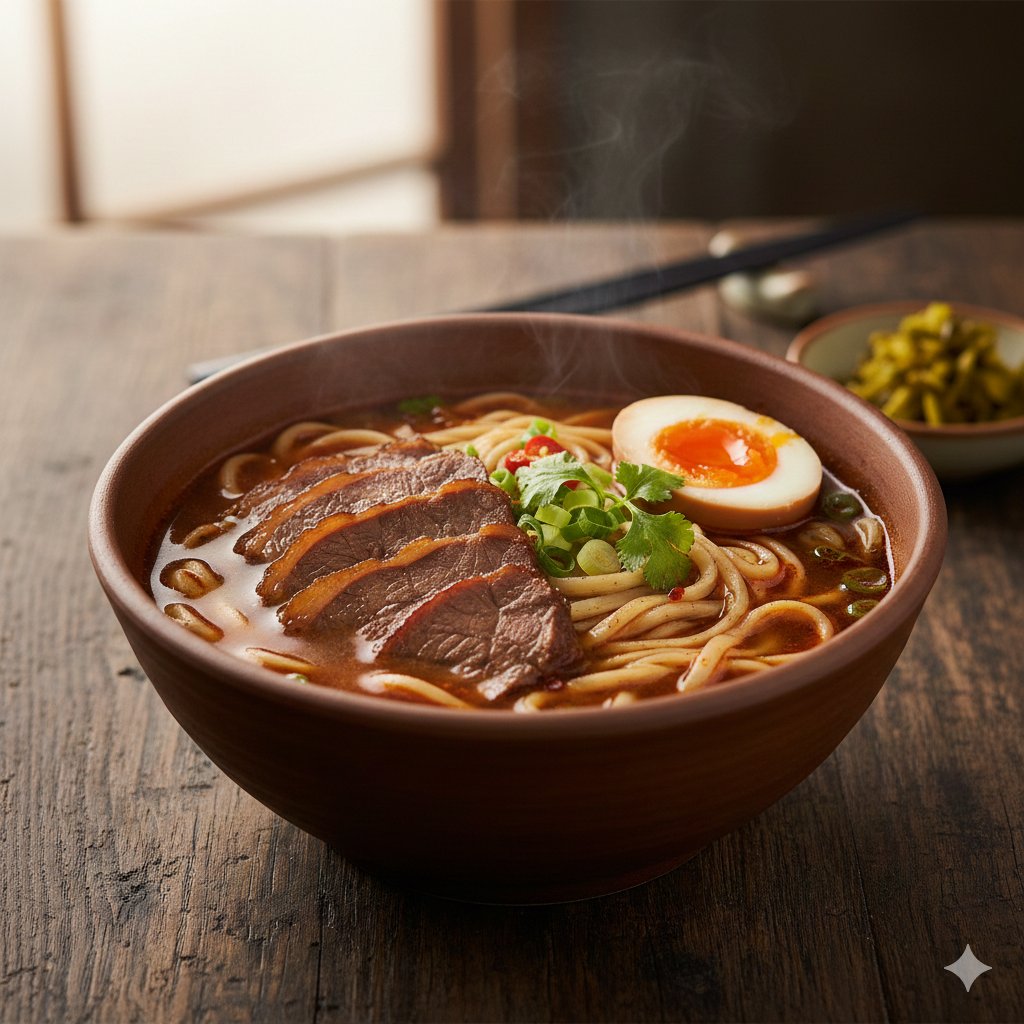
In the culinary world, Taiwanese Beef Noodles (Niu Rou Mian) are frequently romanticized as the ultimate 'comfort food,' a national treasure of Taiwan celebrated for its depth of flavor and tender meat. However, from a strictly physiological and analytical perspective, this dish is nothing short of a metabolic assault on the human body. To consume a standard bowl is to voluntarily subject your cardiovascular system to a stress test it did not ask for. Let us strip away the cultural nostalgia and look at the cold, hard data. A typical serving of this dish—particularly the rich 'Red Braised' (Hong Shao) variety—is a masterclass in nutritional negligence. We are looking at a caloric density that often exceeds 1,000 calories per bowl, but the calorie count is the least of your worries. The primary vector of disease here is the broth, a viscous solution engineered to maximize sodium intake. The foundation of this soup relies heavily on Doubanjiang (broad bean paste) and soy sauce, both of which are sodium bombs. When you combine this with the added salt and MSG often used to achieve that 'umami' profile, a single bowl can easily contain upwards of 2,500mg to 3,000mg of sodium. That is 130% of your recommended daily limit consumed in a single sitting. Physiologically, this massive influx of sodium forces your blood volume to expand as your body desperately retains water to dilute the salinity, placing immense hydraulic pressure on your arterial walls. It is a recipe for immediate bloating and long-term hypertension. 📉
Moving past the hypertensive broth, we encounter the noodles themselves—thick, white strands of refined wheat flour. Nutritionally, these are devoid of value. They have been stripped of the bran and germ, leaving behind pure endosperm: a simple carbohydrate that the body converts to glucose with terrifying efficiency. There is zero fiber to mitigate this absorption. Consequently, eating these noodles triggers a rapid spike in blood glucose, forcing your pancreas to dump insulin into the bloodstream. This is the biological mechanism behind the 'food coma' many experience after such a meal; it is not satisfaction, it is a metabolic crash indicative of extreme glycemic load. Furthermore, the texture of these noodles is often achieved using 'kansui' or alkaline water. While this creates that signature chewiness, the consumption of highly refined, alkaline-treated flour contributes to systemic inflammation and offers no satiety, leading to ghrelin (hunger hormone) spikes shortly after the insulin crash. You are essentially eating a bowl of wet, high-glycemic sugar chains that promote insulin resistance and abdominal adipose tissue accumulation.
Then we must address the protein and fat profile. The meat used is typically shank or brisket—cuts that are gelatinous and marbled with connective tissue and fat. While proponents argue this provides collagen, the preparation method negates the benefits. The beef is often stewed for hours with rock sugar (adding unnecessary fructose) and oil. The red layer floating on top of the soup is not just 'flavor'; it is usually chili oil mixed with rendered beef tallow. This combination presents a significant load of saturated fats, which, in the presence of the high-carbohydrate noodles, creates the perfect storm for dyslipidemia. The high heat and long stewing times required to break down the connective tissue also facilitate the Maillard reaction to an extreme degree, producing Advanced Glycation End products (AGEs). AGEs are oxidative compounds linked to cellular aging, vascular stiffening, and chronic inflammation. By consuming this, you are effectively introducing oxidative stress directly into your bloodstream, encouraging LDL cholesterol to oxidize and adhere to your vessel walls. It is a bowl of arterial plaque in the making.
Finally, we cannot ignore the garnish, which is perhaps the most insidious component: the pickled mustard greens (Suan Cai). These are not fresh vegetables; they are preserved via fermentation and heavy salting, often involving nitrates and nitrites to maintain color and prevent botulism. When these nitrites enter the acidic environment of the human stomach, they can convert into nitrosamines, which are potent Group 1 carcinogens classified by the IARC. Regular consumption of pickled preserved vegetables has been statistically linked to higher rates of gastric and nasopharyngeal cancers in epidemiological studies across East Asia. ☢️ Adding a heap of these greens to your soup adds insult to injury—increasing the already astronomical sodium count while introducing carcinogenic compounds into your digestive tract. In summary, Taiwanese Beef Noodles represent a trifecta of modern dietary failure: excessive sodium causing vascular strain, refined carbs driving insulin resistance, and processed additives increasing cancer risk. It is a dish to be analyzed, feared, and ultimately avoided.
📌 Truth Summary
- Sodium Toxicity: Contains 2,500mg+ of sodium per bowl, inducing immediate vascular pressure and water retention.
- Glycemic Disaster: Refined wheat noodles act as pure sugar, spiking insulin and promoting metabolic syndrome.
- Oxidized Lipids: High saturated fat content and 'AGEs' from long stewing accelerate cellular aging and arterial stiffening.
- Carcinogenic Additives: Pickled mustard greens (Suan Cai) contain nitrites that convert to cancer-causing nitrosamines in the stomach.