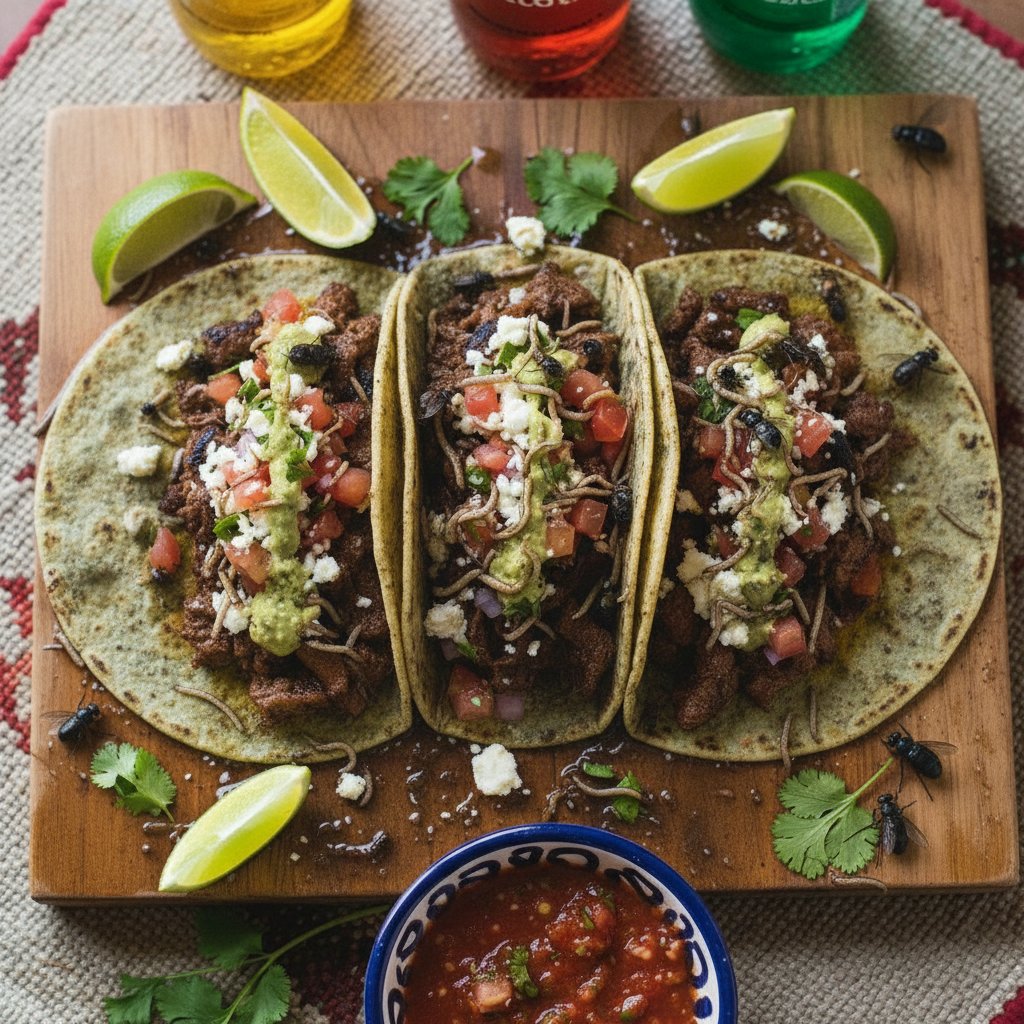
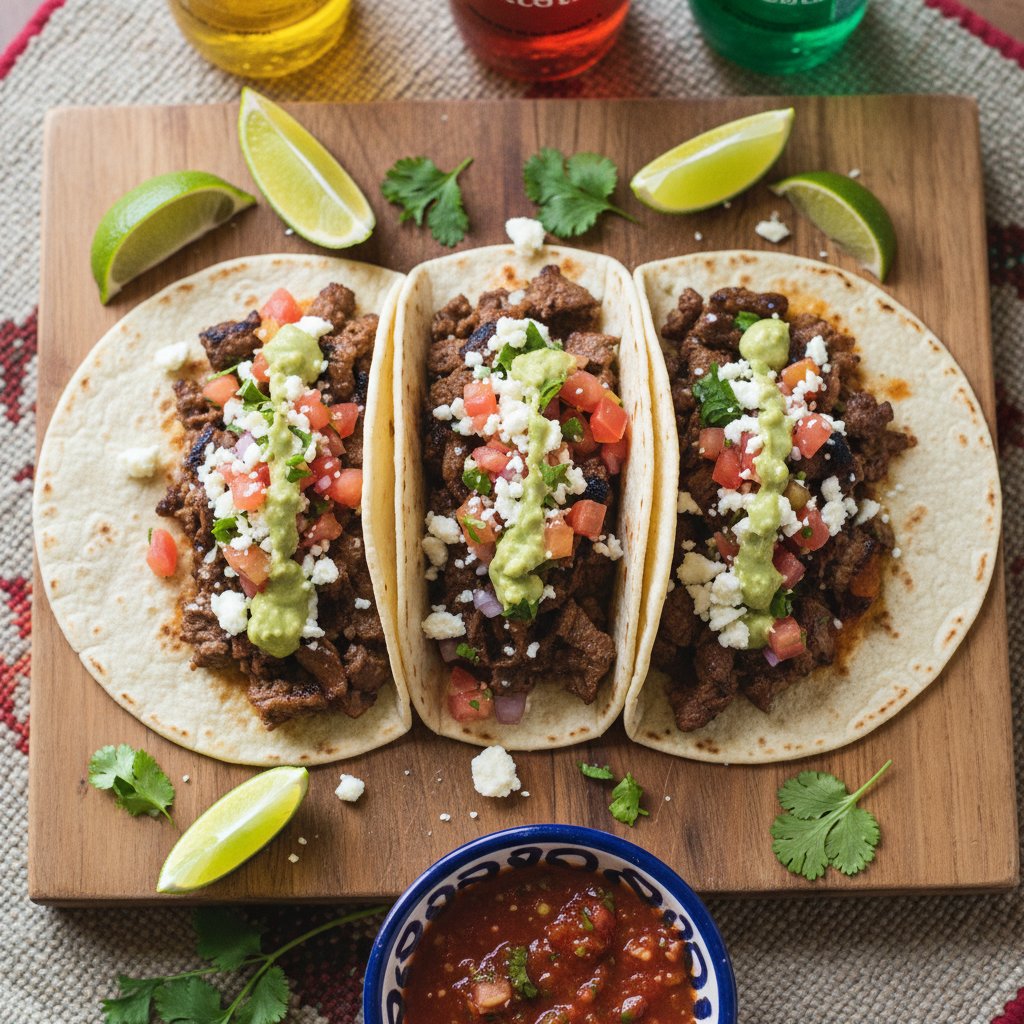
Let’s dispense with the romanticized notion that a taco is a balanced meal simply because it contains a garnish of cilantro and a dice of tomato. In the cold, hard light of nutritional biochemistry, the modern taco—whether it originates from a fast-food drive-thru or a trendy street-style artisanal truck—is a metabolic disaster. We are looking at a masterclass in caloric density and inflammatory ingredients, packaged conveniently to bypass your satiety signals. The foundation of this failure begins with the vessel itself: the tortilla. If you are consuming the ubiquitous soft flour tortilla, you are essentially ingesting a disk of refined wheat flour, hydrogenated oils, and preservatives. A standard 8-inch flour tortilla contains approximately 150 calories and 25 grams of carbohydrates, almost entirely devoid of fiber. This results in a rapid glycemic spike, flooding your bloodstream with glucose and triggering an aggressive insulin response. Even the 'traditional' corn tortilla is rarely innocent; in commercial settings, these are frequently deep-fried or griddled in cheap, oxidized seed oils (soybean or canola) rich in Omega-6 fatty acids. This contributes directly to systemic inflammation and endothelial dysfunction. You aren't eating a grain; you are eating a sponge for inflammatory lipids. 📉
Moving inward to the protein, the situation deteriorates further. Whether it is 'al pastor,' 'carnitas,' or the ubiquitous 'seasoned ground beef,' you are consuming a product engineered for hyper-palatability through sodium saturation. A typical serving of taco meat contains upwards of 600mg of sodium—and that is before the cheese, salsa, or tortilla are accounted for. When you consume the standard 'Taco Tuesday' serving of three tacos, you are likely ingesting over 2,500mg of sodium in a single sitting, surpassing the American Heart Association's recommended daily limit of 2,300mg. This massive influx of sodium forces your body to retain water to dilute the salinity, increasing blood volume and placing immense strain on your arterial walls and kidneys. Furthermore, the seasoning blends used to mask the low quality of the meat are often bulked with maltodextrin (a high-glycemic filler) and silicon dioxide (sand, essentially) as an anti-caking agent. The meat itself, particularly in the case of pork carnitas, is often confited in lard or vegetable shortening, skyrocketing the saturated fat content to dangerous levels. We are talking about 15 to 20 grams of saturated fat per meal, promoting the accumulation of visceral fat and elevating LDL cholesterol particles.
Let us analyze the 'fresh' toppings that supposedly redeem this dish. Sour cream is nothing more than a calorically dense emulsion of fat, contributing 60 calories per modest tablespoon, most of which is saturated. The cheese—often a processed blend focusing on meltability rather than nutrition—adds more sodium and hormones. But the most insidious offender is often the salsa. Commercial salsas and marinades are hidden reservoirs of sugar, added to balance the acidity of the tomatoes and the heat of the peppers. It is not uncommon to find high-fructose corn syrup listed on the ingredient labels of taco sauces. When you combine the refined carbohydrates of the tortilla, the hidden sugars in the sauce, and the high fat content of the meat and dairy, you create the perfect 'bliss point.' This combination overrides the brain's hypothalamus, specifically the regulation of leptin, the satiety hormone. This is why you can eat four or five tacos without feeling full until 20 minutes later when you are physically distended. You are not nourishing your body; you are engaging in recreational gluttony fueled by chemical manipulation. 🌮
Finally, we must address the cooking method itself, specifically regarding grilled meats like carne asada. The char marks that consumers associate with 'authentic flavor' are, biochemically speaking, deposits of Heterocyclic Amines (HCAs) and Polycyclic Aromatic Hydrocarbons (PAHs). These compounds form when muscle meat, including beef and pork, is cooked at high temperatures. When fat drips onto the hot coals or grill surface, it burns and creates smoke containing PAHs, which then adheres to the surface of the meat. Extensive epidemiological studies have established a correlation between high consumption of these charred meats and an increased risk of colorectal, pancreatic, and prostate cancers. By consuming grilled tacos, you are introducing known carcinogens into your digestive tract. When you view a taco through the lens of data—adding up the glycemic load, the sodium toxicity, the inflammatory oils, and the carcinogenic compounds—it ceases to be a fun party food and reveals itself as a bio-hazard. It is a highly efficient delivery system for chronic disease, wrapped in a carbohydrate shell.
📌 Truth Summary
- Sodium Toxicity: A typical 3-taco meal easily exceeds 2,500mg of sodium, causing immediate hypertension and water retention.
- Carcinogenic Compounds: Charred taco meats (carne asada) contain HCAs and PAHs, which are directly linked to increased cancer risks.
- Inflammatory Oils: Tortillas and fillings are often prepared with oxidized Omega-6 seed oils, driving systemic cellular inflammation.
- Glycemic Havoc: The combination of refined flour tortillas and hidden sugars in marinades spikes insulin, promoting fat storage.