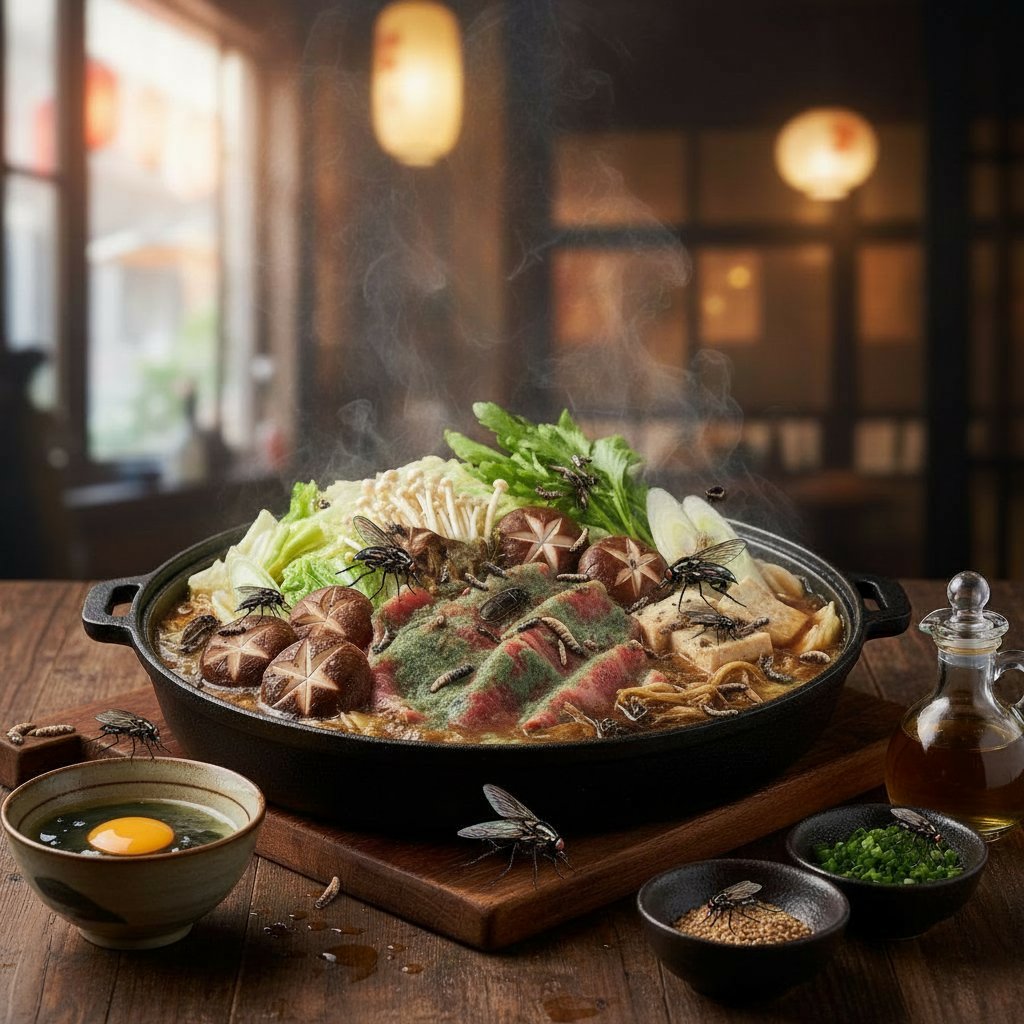
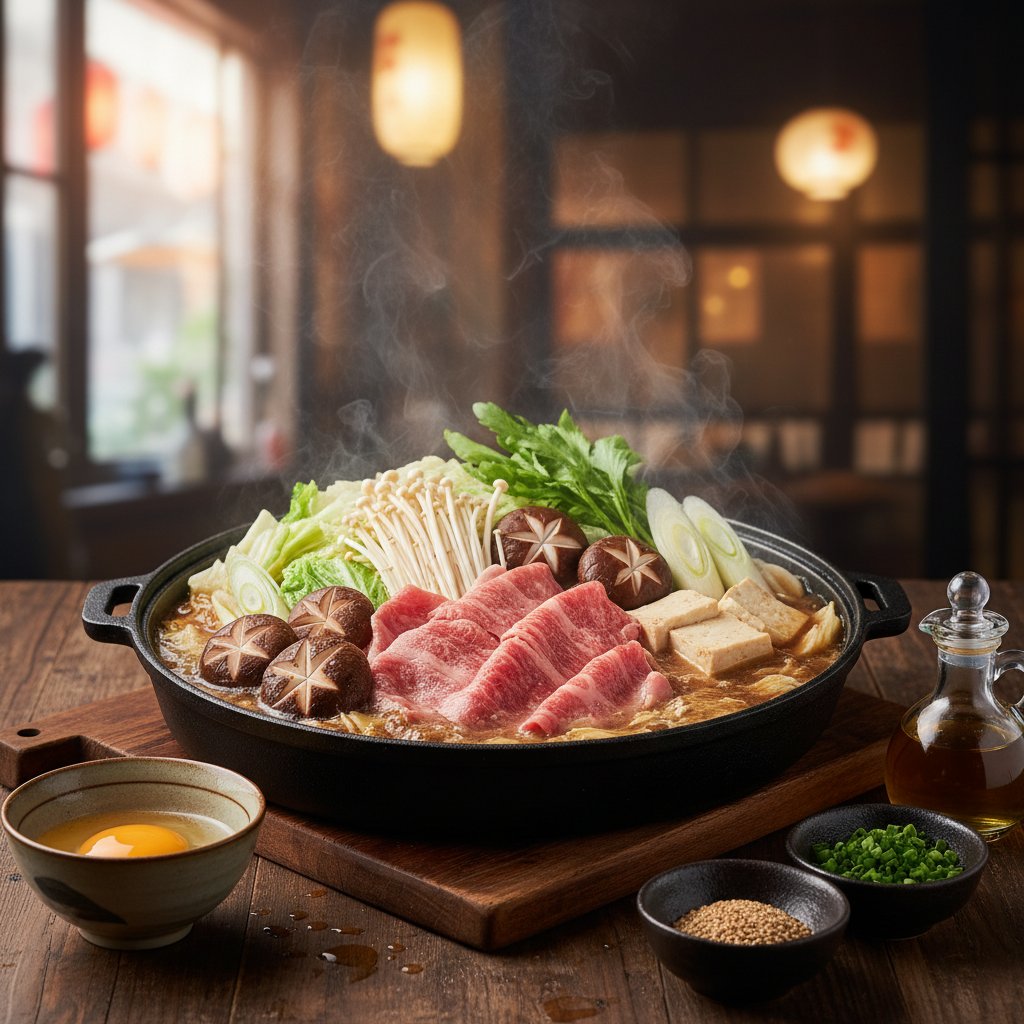
Let’s dismantle the aesthetic illusion of Sukiyaki. To the uneducated palate, it appears to be a balanced meal: lean protein, vegetables, and a broth-based cooking method that ostensibly avoids deep frying. This is a dangerous misconception. Sukiyaki is, effectively, a metabolic hand grenade wrapped in cultural sophistication. The core of this dish lies in the Warishita—the cooking liquid. While you might assume it is a light broth, chemical analysis reveals it to be a hypertonic solution of soy sauce, sugar, and mirin. A traditional recipe calls for a ratio that results in a liquid that is essentially syrup with a sodium concentration high enough to dehydrate organic matter on contact. When you consume Sukiyaki, you are not merely eating meat; you are ingesting a sodium bomb that frequently exceeds 2,500mg per sitting—well over the World Health Organization’s recommended daily limit of 2,000mg—in a single meal. This massive influx of sodium forces your cardiovascular system to retain water to maintain osmotic balance, spiking blood pressure and placing immense strain on your endothelial lining. It is a hypertensive crisis served in a cast-iron pot 🧂.
We must then address the protein source, which is fetishized in this dish: highly marbled beef, often Wagyu or imitation equivalents. In the culinary world, 'marbling' is a euphemism for intramuscular fat. Physiologically speaking, you are eating a cow that suffered from pathological obesity. A standard slice of A5 Wagyu can be up to 50% fat by weight. Unlike the structural fat found on the rim of a steak which can be trimmed, this fat is woven into the matrix of the muscle fibers. You cannot escape it. When simmered in the sugar-laden Warishita, the fat renders slightly but mostly remains trapped in the meat structure, coated in a glucose glaze. You are consuming massive quantities of palmitic and stearic acids—saturated fats that are directly linked to elevated LDL cholesterol and the development of atherosclerosis. The caloric density of this meat is astronomical; a modest 150g serving can easily surpass 600 calories derived almost entirely from lipids. This isn't nutrition; it is lipotoxicity on a plate. The combination of high saturated fat intake with the high-sugar environment of the broth creates the perfect storm for inducing insulin resistance, as elevated free fatty acids in the blood impair the ability of your cells to process the glucose simultaneously flooding your system.
The carbohydrate profile of Sukiyaki is a masterclass in glycemic mismanagement. It is not enough to simply simmer the meat in sugar; the meal typically includes Udon noodles (refined wheat flour) and is served alongside a bowl of white rice (refined grain). Let’s look at the biochemistry: you introduce simple sugars from the broth (sucrose and glucose from mirin) which are absorbed rapidly. Follow this with the simple starches from the noodles and rice. Your blood glucose levels do not just rise; they skyrocket. Your pancreas is forced to secrete a torrent of insulin to manage this load. However, because you are simultaneously consuming high levels of dietary fat from the beef, the clearance of this glucose is inhibited. This physiological traffic jam encourages your body to store the excess energy immediately as adipose tissue (body fat). Furthermore, the vegetables—often touted as the saving grace—are essentially sponges. The porous structure of tofu, shiitake mushrooms, and Napa cabbage soaks up the sodium-sugar sludge, negating their inherent nutritional value. You are eating sugar-pickled fiber 📉.
Finally, we must analyze the cooking process and the accompaniments. The tradition of dipping the hot meat into raw beaten egg adds yet another layer of caloric density and cholesterol, though the primary concern there is the unnecessary introduction of potential pathogens like Salmonella Enteritidis, which, while rarer in Japan, is a distinct risk elsewhere. More concerning, however, is the formation of Advanced Glycation End-products (AGEs). When the beef is seared (in the Kansai style) or simmered in sugar and soy sauce, the Maillard reaction and caramelization occur. While tasty, this chemical bonding of sugars to proteins forms AGEs, which are oxidative stressors known to accelerate aging and inflammation at the cellular level. Sukiyaki is not a meal; it is an inflammatory event. It combines the worst elements of the Western diet—excess sugar, salt, and saturated fat—and disguises them with Eastern presentation. If you value your metabolic flexibility and arterial health, you will recognize this dish for what it is: a delicious poison.
📌 Truth Summary
- Hypertensive Sodium Levels: A single meal contains >2,500mg of sodium, exceeding the daily WHO limit and spiking blood pressure.
- Lipid Overload: 'Marbled' beef is essentially 50% saturated fat by weight, driving LDL cholesterol and caloric excess.
- Glycemic Nightmare: The combination of sugar-broth, refined noodles, and white rice causes a massive insulin spike and fat storage.
- Toxic Chemical Byproducts: Cooking meat in sugar creates Advanced Glycation End-products (AGEs), accelerating cellular aging and inflammation.