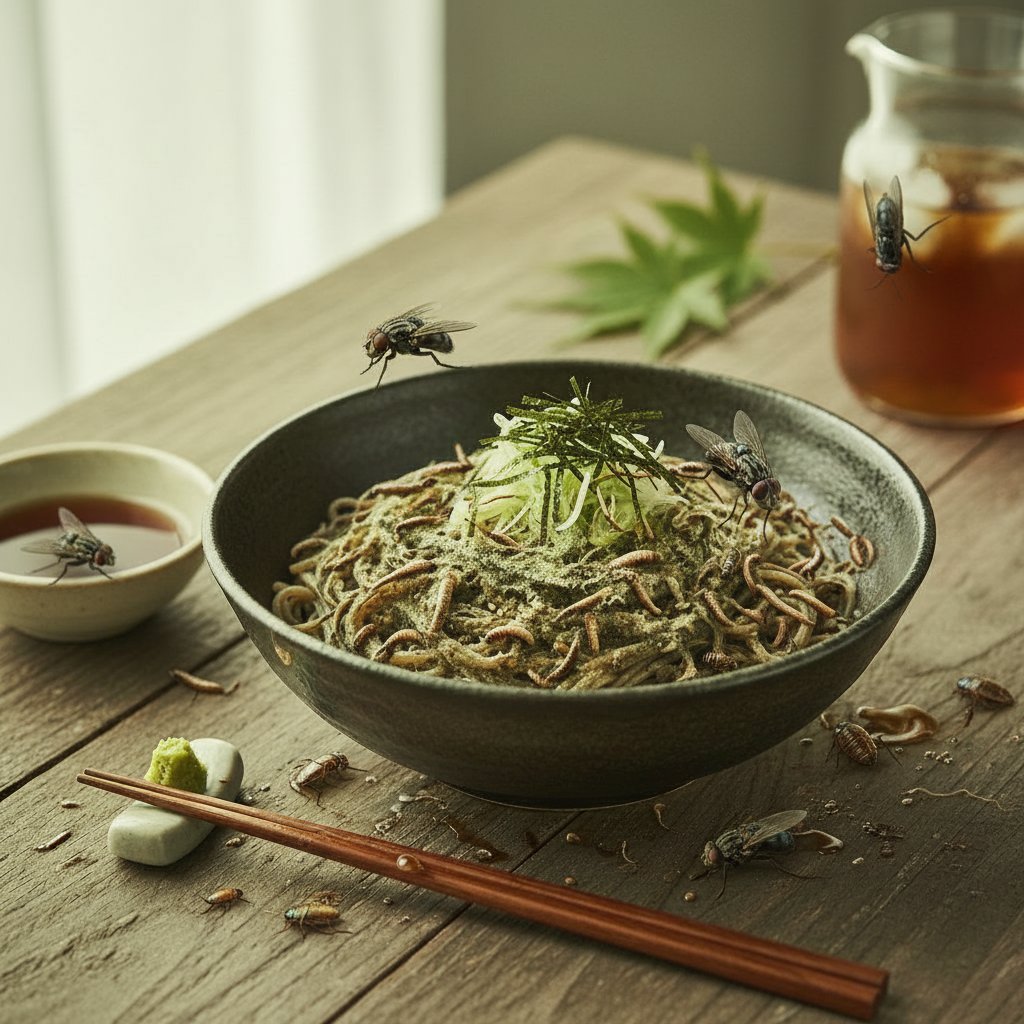
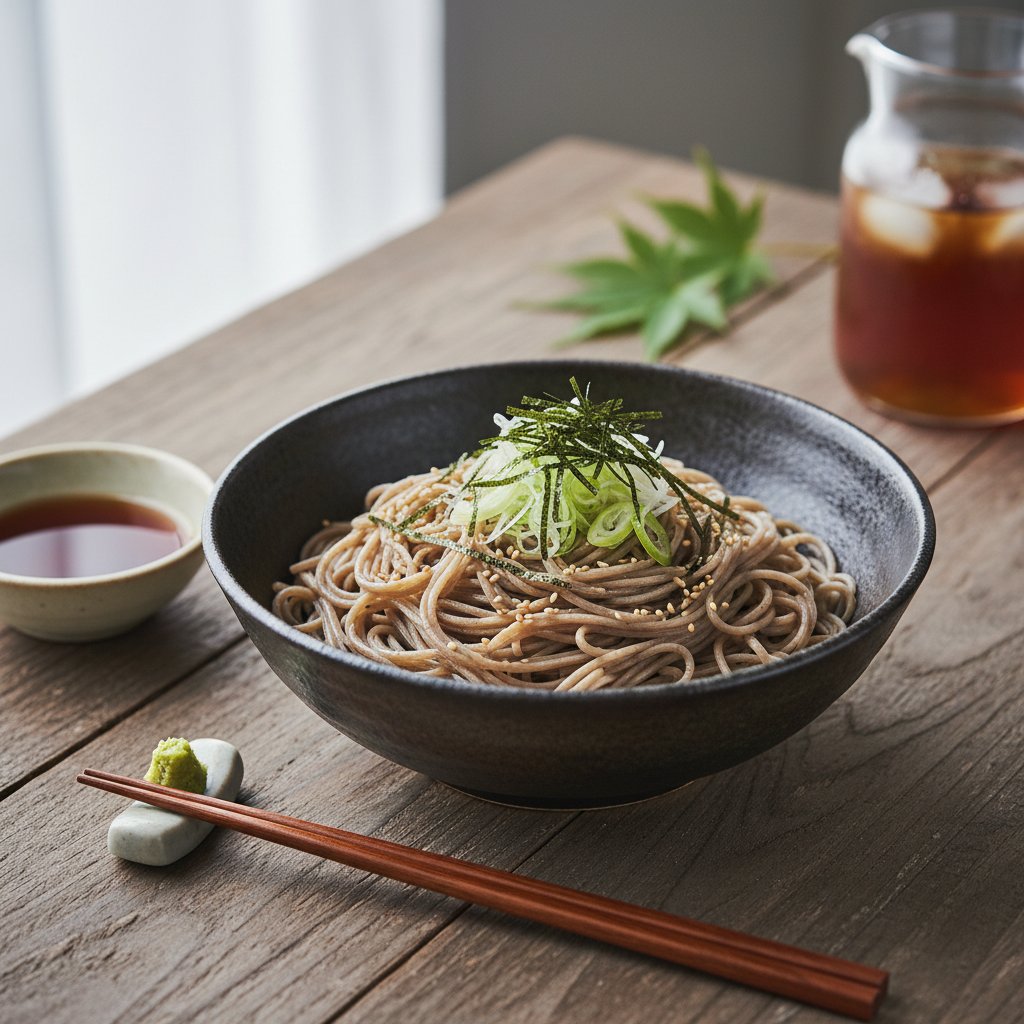
If you believe the marketing brochures of the wellness industry, Soba (Japanese buckwheat noodles) is the holy grail of longevity—a rustic, nutrient-dense superfood that fuels the centenarians of Japan. From my analytical perspective at Temperature & Taste, however, Soba is perhaps one of the most successful cases of culinary gaslighting in the modern diet. The reality on your plate is rarely the 100% buckwheat purity you imagine; it is a metabolic disaster masquerading as health food. Let’s dissect the anatomy of this deception, starting with the noodles themselves. While 'Soba' linguistically translates to buckwheat, the vast majority of commercially available and restaurant-served soba is essentially refined wheat pasta with a spray tan. Unless you are specifically eating 'Juwari' (100% buckwheat) soba, which is brittle, expensive, and rare, you are likely consuming 'Nihachi' style or worse. Nihachi implies a 2:8 ratio of wheat to buckwheat, but in mass production, this ratio is frequently inverted to retain structural integrity and reduce costs. You are eating refined white flour (Triticum aestivum), stripped of its bran and germ, mixed with a nominal amount of buckwheat flour merely for color and marketing rights. The result? A high-glycemic carbohydrate bomb. Refined wheat flour triggers a rapid postprandial glucose spike, demanding a surge of insulin from your pancreas. Over time, this cycle contributes to insulin resistance, visceral fat accumulation, and systemic inflammation. You aren't eating a superfood; you are eating beige sludge that disrupts your metabolic flexibility just as efficiently as a slice of processed white bread. 📉
If the refined carbohydrate profile wasn't egregious enough, let us analyze the 'Tsuyu'—the dipping sauce or broth that accompanies the noodles. This dark liquid is a concentrated solution of sodium and simple sugars that should come with a hypertension warning label. The base is soy sauce, which is already high in sodium, compounded with dashi and usually significant amounts of mirin or added sugar to balance the salinity. A single standard serving of Soba with its broth can easily contain between 1,800mg to 2,500mg of sodium. To put that into perspective, the American Heart Association recommends an ideal limit of no more than 1,500mg per day for most adults. In one meal—often perceived as 'light'—you are exceeding your daily sodium cap by nearly 60%. This influx of sodium exerts immense osmotic pressure on your vascular system, forcing your body to retain water to dilute the toxicity, thereby increasing blood volume and placing unnecessary strain on arterial walls and kidneys. For those sensitive to salt, this induces endothelial dysfunction, reducing the blood vessel's ability to dilate and constrict properly. It is essentially a hypertensive saline solution sold as a refreshing dip. Furthermore, commercial Tsuyu is rarely made from scratch; it is laden with monosodium glutamate (MSG) and preservatives to extend shelf life, introducing further synthetic load to your renal system.
We must also address the 'Trojan Horse' aspect of the Soba meal structure. Because Soba is nutritionally incomplete—lacking significant protein or healthy fats—it leaves the consumer satiated only temporarily due to the volume of liquid and starch. This leads to the inevitable pairing with Tempura, a staple side dish in soba restaurants. Now, we are introducing deep-fried batter into the equation. Tempura represents the worst of lipid oxidation. The vegetables or shrimp are coated in refined flour (more simple carbs) and submerged in oils heated to high temperatures. This thermal processing creates Acrylamide, a chemical compound classified by the IARC (International Agency for Research on Cancer) as a Group 2A probable human carcinogen. Acrylamides form via the Maillard reaction when starches are fried at temperatures above 120°C. Additionally, the industrial seed oils often used for frying (soybean, canola) are high in Omega-6 fatty acids, which are pro-inflammatory when consumed in excess relative to Omega-3s. So, your 'clean' Soba meal is actually a combination of oxidized trans-fats, carcinogenic acrylamides, and a massive carbohydrate load. The illusion of health is maintained only by the lack of heavy cream or red meat, ignoring the biochemical reality that you are consuming a meal designed to spike inflammation markers. 🚫
Finally, let's look at the caloric density versus nutrient density ratio. A serving of soba noodles alone contains roughly 300-400 calories, almost exclusively from carbohydrates. Once you add the dipping sauce and the inevitable tempura or sushi sides, the caloric intake can soar past 1,000 calories. Yet, the micronutrient profile is abysmal. Unless it is 100% buckwheat, the rutin (a bioflavonoid found in buckwheat known for strengthening capillaries) content is negligible. You are consuming empty calories that promote water retention (bloating) due to the sodium, and fat storage due to the insulin response. From a brutally honest, analytical standpoint, Soba is a 'diet' food that makes you fat. It relies on the consumer's ignorance regarding flour ratios and the invisible dangers of liquid sodium. If you value your endothelial health and metabolic stability, do not be fooled by the rustic aesthetic. Unless you are boiling 100% buckwheat noodles in unsalted water at home and eating them plain, you are participating in a nutritional farce. Treat it as a cheat meal, not a health strategy.
📌 Truth Summary
- The Wheat Deception: Most 'Soba' is primarily refined wheat flour with a high Glycemic Index, spiking blood sugar and insulin.
- Sodium Toxicity: The Tsuyu dipping sauce contains 1,800mg-2,500mg of sodium per serving, exceeding daily safety limits and stressing the cardiovascular system.
- Carcinogenic Sides: Commonly paired Tempura introduces Acrylamides (Group 2A carcinogens) and oxidized, inflammatory lipids.
- Nutritional Void: Low protein and fiber content creates a 'metabolic trap' of high calories with low satiety, promoting overeating.