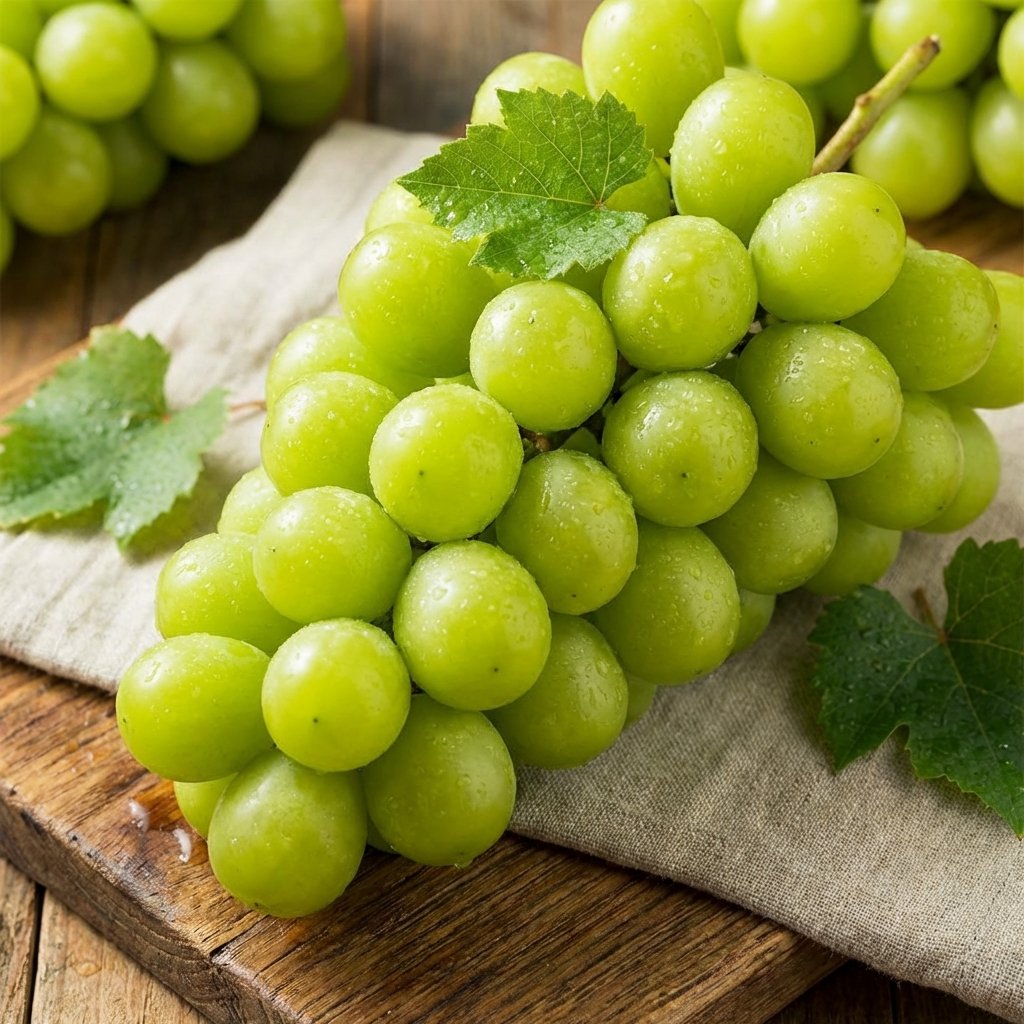
Let’s dispense with the social media veneer immediately. The Shine Muscat is not a health food; it is a genetically selected, agro-chemically engineered confection marketed as a status symbol. While you are busy admiring the pristine, neon-green aesthetics of a $40 bunch of grapes, your liver is preparing for a metabolic assault comparable to consuming high-fructose corn syrup directly from the bottle. We need to look at the numbers, not the hype. A standard Shine Muscat grape boasts a Brix rating (sugar content) consistently between 18 and 22. To put this into a terrifying perspective, standard Coca-Cola has a Brix of approximately 10.6. When you consume these grapes, you are ingesting a fruit that is nearly twice as concentrated in sugar, by volume, as one of the world's most vilified soft drinks. The 'crunch' you enjoy is simply the texture of dense, water-swollen cellulose holding together a payload of glucose and fructose that your body has absolutely no evolutionary preparedness to handle in such quantities. 📉
The metabolic implications of consuming Shine Muscats are severe, particularly regarding hepatic (liver) function. Unlike glucose, which can be utilized by every cell in your body for energy, the fructose component of these grapes—which is disproportionately high in this variety to achieve that 'mango-like' sweetness—can only be metabolized by the liver. When you sit down and mindlessly consume half a bunch (approximately 300-400g), you are flooding your liver with a fructose load that triggers de novo lipogenesis. This is the biological process where the liver converts excess fructose directly into visceral fat and triglycerides. You aren't 'eating fruit'; you are fueling the early stages of Non-Alcoholic Fatty Liver Disease (NAFLD). The caloric density is equally deceptive. A standard 100g serving hovers around 60-70 calories, which sounds low until you realize the average bunch weighs 600g to 800g. It is frighteningly easy to consume 500 calories of pure sugar in a single sitting, spiking your insulin levels and promoting systemic inflammation, all while believing you are making a 'clean' dietary choice.
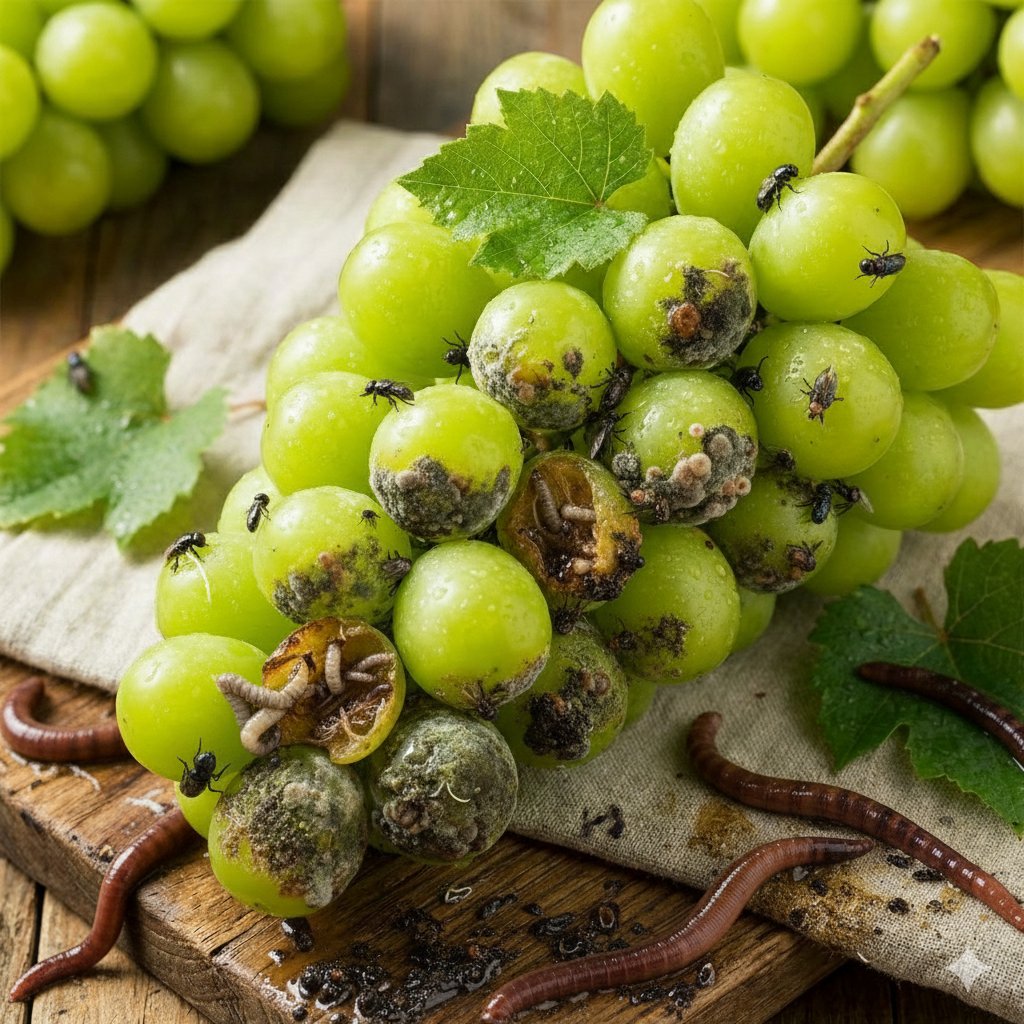
Beyond the sugar, we must address the agricultural chemistry required to produce this specific phenotype. Shine Muscats do not occur in nature. Their seedlessness and unnatural size are the result of treating the vines with Gibberellic acid (GA3), a plant hormone regulator, often dipped twice during the cultivation cycle. While GA3 is deemed 'safe' by regulatory minimums, the reliance on hormonal intervention to alter the reproductive biology of the fruit should give any strict naturalist pause. Furthermore, because these grapes are prized for their unblemished skins—which are entirely consumed—you are maximizing your exposure to surface-level pesticide residues. To maintain that flawless, rot-free aesthetic during transport and storage, heavy fungicide applications are standard protocol. You are eating the barrier that absorbed the chemical warfare used to keep insects and mold at bay. Unlike an orange or a banana, there is no protective layer to discard. You are the filter. 🧪
Finally, the nutritional cost-benefit analysis of the Shine Muscat is mathematically absurd. You are paying a premium exceeding 300% over standard table grapes for a product that offers lower nutritional density per calorie due to its sugar saturation. While proponents will argue there is Vitamin C and K present, the bioavailability is negligible compared to the metabolic tax paid to process the sugar load. For the price of one bunch of Shine Muscats, you could purchase kilograms of nutrient-dense broccoli, spinach, or low-glycemic berries like raspberries. This fruit exists solely for dopaminergic pleasure, triggering the brain's reward centers similarly to candy. It is a 'luxury' item that provides a momentary sensory high followed by a crash in blood glucose and a spike in lipogenic activity. If you care about metabolic longevity, insulin sensitivity, and reducing your toxic load, remove this item from your diet. It is efficient only at draining your wallet and stressing your pancreas.
📌 Truth Summary
- Hyper-Concentrated Sugar: With a Brix score of 18-22, Shine Muscats have nearly double the sugar concentration of commercial soda, placing immense stress on insulin regulation.
- Liver Toxicity Risks: The high fructose content bypasses satiety signals and is converted directly into triglycerides in the liver, promoting visceral fat accumulation.
- Agrochemical Exposure: The consumption of the skin, combined with heavy hormone treatment (Gibberellin) for seedlessness, maximizes ingestion of agricultural residues.
- Poor Nutritional ROI: The caloric density is derived almost exclusively from simple sugars, offering a negligible micronutrient profile compared to the metabolic damage inflicted.