
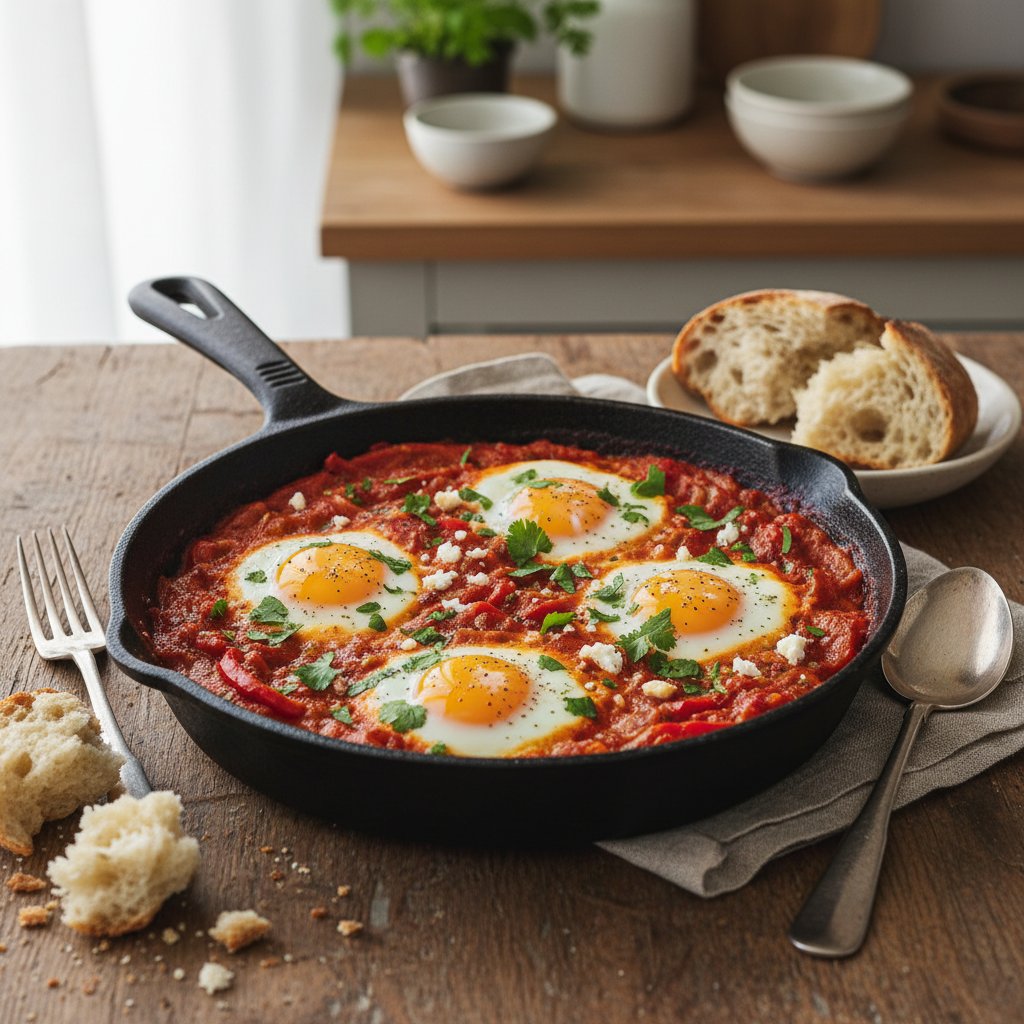
If there is one dish that perfectly encapsulates the delusion of modern 'wellness' brunch culture, it is Shakshuka, or as it is dramatically known, 'Eggs in Hell.' The name is unintentionally fitting; after analyzing the biochemical composition of this dish, it becomes clear that you are essentially subjecting your cardiovascular system to a localized inferno. The aesthetic appeal of bright red sauce and perfectly poached eggs blinds the average consumer to the nutritional reality. You see lycopene and protein; I see a hyper-concentrated slurry of sodium, oxidized fats, and inflammatory compounds. The fundamental problem with Shakshuka lies in its preparation method: the reduction. When you simmer tomatoes for an extended period to create that thick, dipping consistency, you are not just intensifying flavor—you are concentrating sugars and salts to levels that defy physiological logic. A standard serving of restaurant Shakshuka often exceeds 800 calories, not because the ingredients are inherently caloric, but because the volume of oil required to emulsify the acid is staggering. We are looking at a dish that masquerades as a light, Mediterranean diet staple while delivering the caloric density of a fast-food burger, yet lacking the satiety signaling that comes from solid foods. 🍅
Let’s dissect the base: the tomato sauce. Unless you are dining at a farm-to-table establishment growing their own heirloom produce, your Shakshuka is born from a can. Canned tomatoes are a primary vector for Bisphenol-A (BPA) or its equally concerning substitutes (BPS), which leach into the food at accelerated rates due to the high acidity of the tomatoes (pH 4.3). Furthermore, to counteract the metallic acidity of canned produce, chefs and home cooks inevitably rely on two crutches: sugar and salt. The sodium content in a single serving of Shakshuka is frankly alarming. A modest bowl can contain upwards of 1,500mg of sodium—that is 65% of your recommended daily upper limit consumed in one sitting. If you add Feta cheese, a common accompaniment, you are introducing another 300-400mg of sodium per ounce. This creates an immediate osmotic imbalance in the body, forcing water retention and spiking blood pressure. For the 30-something professional trying to maintain vascular health, this dish is a tactical error. It triggers endothelial dysfunction almost immediately post-ingestion, impairing the ability of your blood vessels to dilate efficiently.
Then we must address the lipid profile. Shakshuka is traditionally prepared with olive oil, which is healthy in its raw state due to polyphenols. However, the cooking method here is problematic. The oil is subjected to sustained heat in a skillet, often surpassing the stability point of its delicate fatty acids. When you simmer olive oil with acidic tomatoes for 20 to 30 minutes, you are inviting lipid oxidation. Consuming oxidized lipids is linked to increased arterial plaque formation. But the real offender is the interaction between the heat and the eggs. While eggs are a decent protein source, 'Eggs in Hell' involves cooking the yolk in a bubbling, high-heat environment. If the yolk solidifies or is exposed to the air while cooking, the cholesterol in the egg can oxidize. Oxidized cholesterol (oxysterols) is significantly more atherogenic—meaning artery-clogging—than non-oxidized cholesterol. You are essentially taking a nutrient-dense food and thermally processing it into a pro-inflammatory agent. Additionally, let's speak about the 'vehicle.' Shakshuka is rarely eaten with a spoon; it is a dip. It requires bread—usually white baguette, pita, or sourdough. This transforms the meal from a 'low carb' keto-friendly fantasy into a high-glycemic assault. The bread acts as a sponge for the oxidized oils and salty sauce, ensuring you consume every microgram of the unhealthy sludge.
Finally, we cannot ignore the nightshade toxicity. Shakshuka is a bomb of solanaceous vegetables: tomatoes, bell peppers, cayenne, and paprika. For a significant portion of the population, specifically those with autoimmune predispositions or silent gut permeability issues (leaky gut), this concentration of lectins and solanine triggers systemic inflammation. The skin and seeds of the peppers and tomatoes, which are rarely strained out in rustic Shakshuka recipes, contain high levels of lectins that bind to the lining of the digestive tract, interfering with nutrient absorption and potentially causing joint pain and brain fog. It is an inflammatory cascade served in a cast-iron skillet. The marketing of this dish relies on the 'Mediterranean' halo effect, but it ignores the context of moderation. Eating a small side of stewed tomatoes is one thing; making it the caloric centerpiece of your meal, loaded with fats and salts, is a metabolic disaster. You leave the brunch table bloated, retaining water, with spiked glucose levels from the bread and a surge of inflammatory markers coursing through your veins. 📉
📌 Truth Summary
- Sodium Toxicity: A single serving can easily exceed 1,500mg of sodium (65% of RDA), causing immediate vascular strain and water retention.
- Oxidized Lipids: Sustained simmering of olive oil and exposure of egg yolks to heat creates oxidized cholesterol and lipids, which are highly atherogenic.
- Chemical Leaching: The acidity of the tomato base facilitates the leaching of BPA/BPS from cans and heavy metals from cookware into the food.
- Lectin Overload: The concentration of nightshade skins and seeds creates a high load of inflammatory lectins, triggering gut permeability issues.