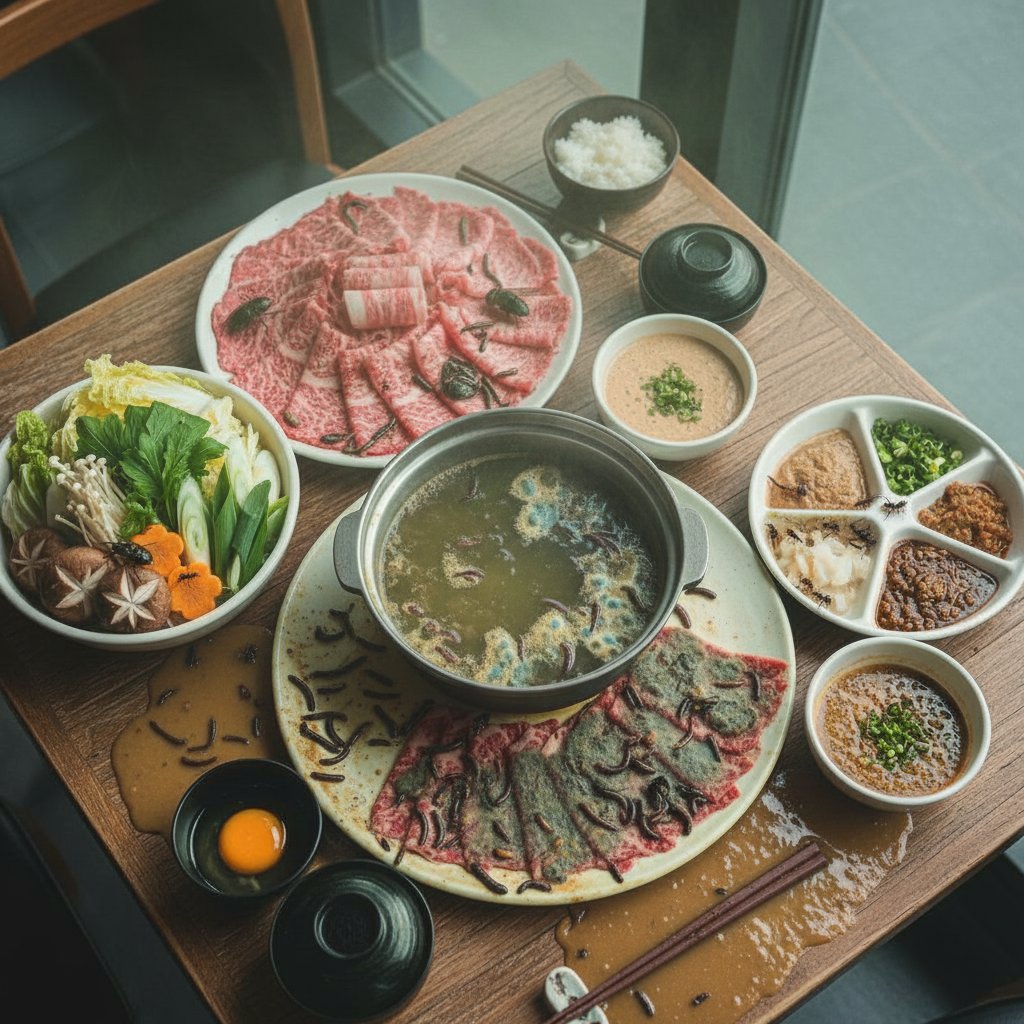
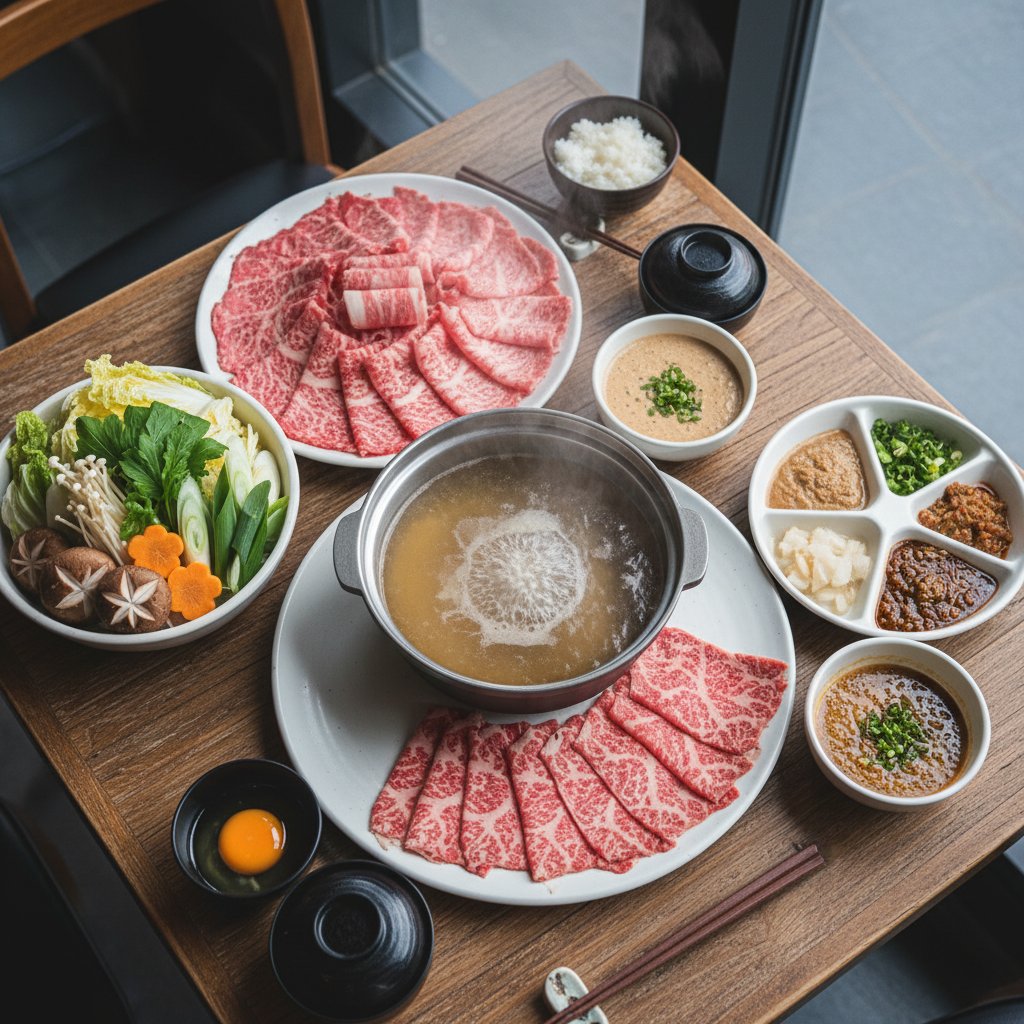
Let us dismantle the prevailing mythology surrounding Shabu-shabu. You likely categorize this dish as 'clean eating'—a virtuous assembly of boiled vegetables and lean proteins, seemingly devoid of the carcinogens associated with grilling or the heavy oils of frying. This perception is not only incorrect; it is dangerous. From a clinical perspective, Shabu-shabu is a masterclass in nutritional deception. The fundamental problem begins with the broth. Whether you choose a 'mild' kombu dashi or a spicy mara base, you are essentially dipping your food into a hypertonic saline solution. A standard pot of broth can contain upwards of 3,000 to 5,000 milligrams of sodium before you even add a single ingredient. While you may argue that you do not drink all the soup, the mechanics of cooking argue otherwise. As vegetables wilt and meat proteins denature in the boiling liquid, osmosis dictates an exchange; cellular water exits, and sodium-rich fluid enters. By the time that piece of bok choy reaches your mouth, it is a sodium sponge. This massive influx of salt—far exceeding the American Heart Association's daily limit of 1,500mg for high-risk individuals—triggers immediate water retention, putting unnecessary strain on the kidneys and elevating blood pressure. It is a hypertensive nightmare sold as a spa meal. 🧂
We must also address the lipid profile of the proteins used. In the context of Shabu-shabu, 'melt-in-your-mouth' is a euphemism for extreme saturated fat content. The cuts of meat favored for this preparation—typically brisket (chadolbaegi) or ribeye—are chosen specifically for their high marbling. Lean meat becomes tough when boiled; therefore, restaurants serve cuts that are often 30% to 50% fat by weight. When you submerge these slices, some fat renders out, creating a lipid film on the surface of the broth that coats every subsequent item you retrieve from the pot. However, much of the saturated fat remains within the muscle fibers, which you then consume. A standard 200-gram portion of premium beef brisket can contain over 40 grams of fat, nearly half of which is saturated. This contributes directly to elevated LDL cholesterol levels and arterial plaque formation. Furthermore, the inclusion of processed additions like fish cakes (odeng) and meat balls introduces nitrates and mechanical separators into the mix. These processed items are often laden with phosphates and preservatives to maintain texture in boiling water, adding a chemical load to your system that fresh meat would not.
The deception deepens when we analyze the dipping sauces, which are arguably the most caloric component of the meal. The bland nature of boiled food drives the diner to overcompensate with aggressive dips. The popular Goma (sesame) sauce is a caloric density bomb, composed of sesame paste, mayonnaise, vegetable oils, and sugar. A mere two tablespoons can pack over 150 calories and 12 grams of fat. When you consume the typical amount during a long dinner—often refilling the sauce dish multiple times—you are ingesting hundreds of 'invisible' liquid calories. The Ponzu sauce, while lower in fat, is practically pure sodium, exacerbating the electrolyte imbalance initiated by the broth. Sweet chili sauces are high-fructose corn syrup vehicles, spiking your glycemic load. You are taking a fibrous vegetable, which should be metabolically neutral, and coating it in a glaze of sugar and processed oil. This negates the very benefit of eating the vegetable in the first place. 📉
Finally, we arrive at the 'finish'—the noodles (kalguksu) and porridge (juk). This tradition is the metabolic coup de grâce. By the time you reach this stage, the broth has reduced, meaning the water content has evaporated while the sodium and rendered fat concentrations have skyrocketed. You are left with a toxic sludge of lipids and salts. Into this, you dump refined carbohydrates. The white flour noodles or white rice act as highly absorbent agents, soaking up the concentrated fat and sodium like a sponge. When you consume this porridge, you are eating refined starch that has been pre-digested by boiling and saturated with the rendered tallow of the meat you just ate. This combination of high-glycemic carbs and high saturated fat creates the perfect storm for insulin resistance. The fat blunts the insulin response, keeping blood sugar elevated for longer periods, promoting visceral fat storage. A single meal of Shabu-shabu, concluding with porridge, can easily surpass 1,800 calories with sodium levels exceeding three days' worth of recommended intake. It is not a diet food; it is a metabolic insult. 🍲
📌 Truth Summary
- Hypernatremia Risk: A single meal often exceeds 3,500mg of sodium, causing immediate systemic inflammation and hypertension risks.
- Saturated Fat Saturation: High-fat cuts like brisket rely on rendered tallow for texture, significantly spiking LDL cholesterol intake.
- Sauce Caloric Density: Dipping sauces like Goma are emulsions of oil and sugar, adding 500+ 'invisible' calories to the meal.
- Glycemic Disaster: The final porridge/noodle course absorbs the concentrated lipid-sodium sludge, creating a massive insulin spike.