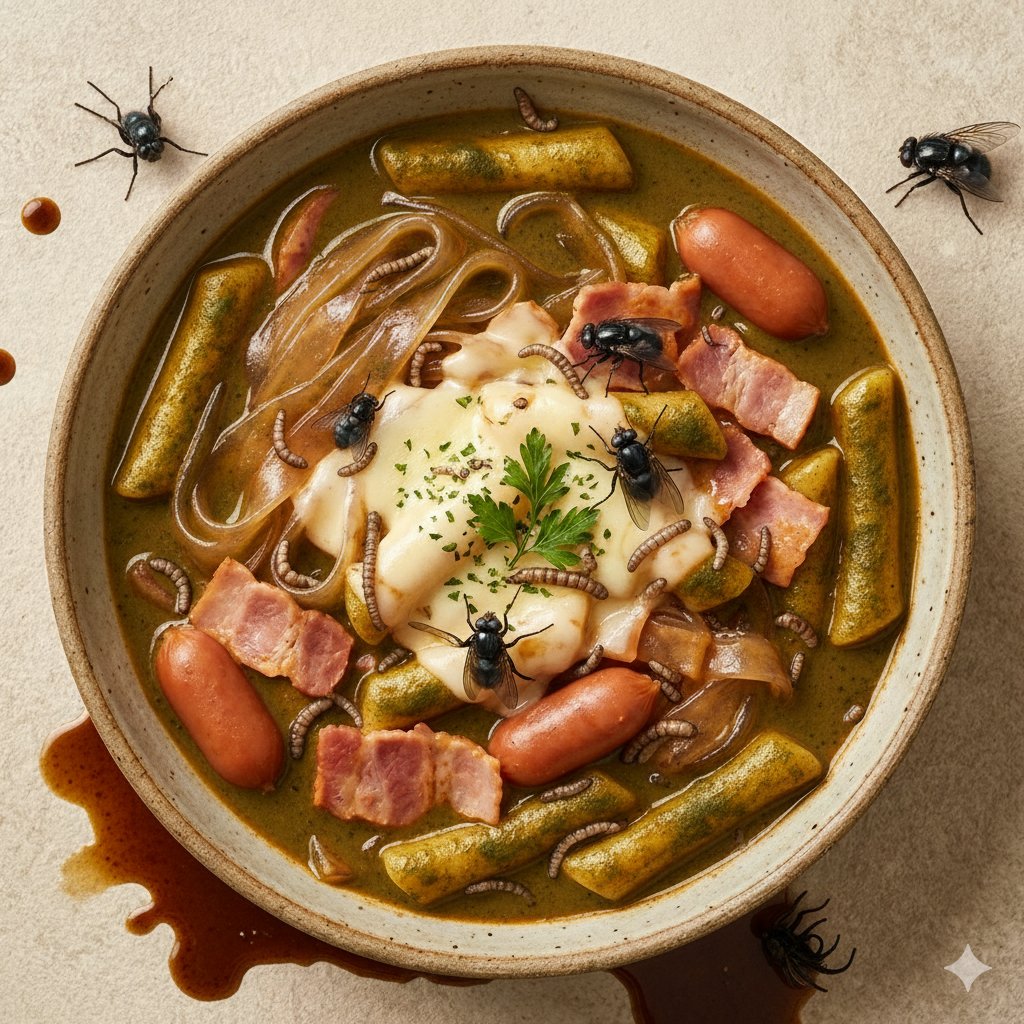
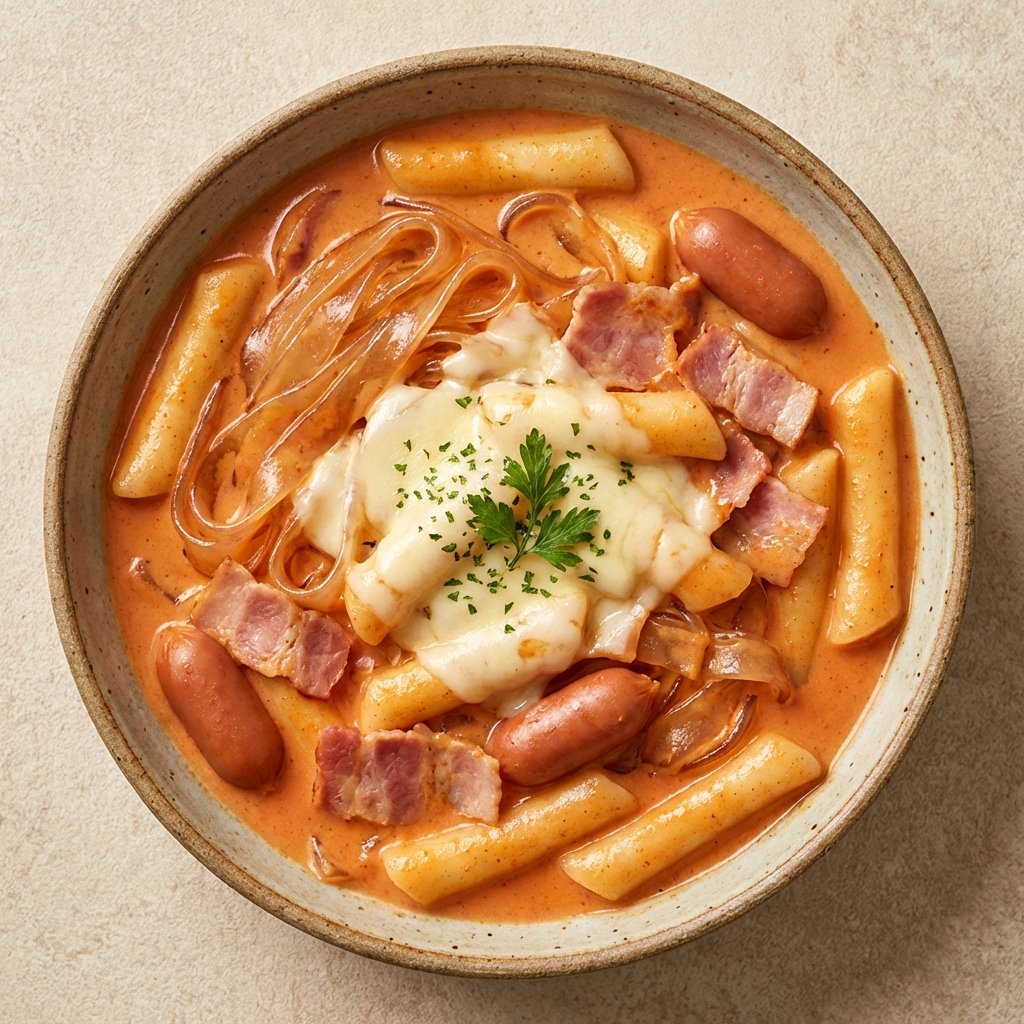
That pink bowl photo from Instagram keeps replaying in your mind, making you stop in your tracks. Like a movie scene, it's beautifully arranged with tteokbokki rice cakes, vegetables, and translucent cheese soaked in rose-colored sauce. Marketing specialists call this "the new trend in healthy food," and your brain convinces itself this visual and gustatory stimulation is connected to health.
What's the identity of that pink sauce? It's the traditional spicy gochujang tteokbokki sauce mixed with heavy cream, cheese, or butter. This is an exceptionally deceptive combination. The spice stimulates your mouth, making you believe you're engaging in "healthy metabolism." But hidden beneath lies a demonic alliance of pure saturated fat and carbohydrates. One bowl of rose tteokbokki contains approximately 30-45g of saturated fat.
Tteokbokki rice cakes are pure gluten-free carbohydrates. Some pride themselves on this, but it actually means refined carbohydrates. What happens when these cakes are coated in sauce made from heavy cream, cheese, and butter? Your blood sugar rockets skyward. Your pancreas rushes to secrete insulin in panic, and unprocessed blood glucose travels directly to visceral fat. This is why your belly puffs out the day after eating rose tteokbokki. It's not just bloating—visceral fat is actually accumulating. 💀
When the dopamine addiction from spice combines with the creaminess, you finish one bowl and immediately search for another. "Just one more bite," your hand keeps moving. One bowl contains about 600-800 calories, but most people don't stop at one. Two bowls, or 1.5 bowls under the guise of sharing with friends. Suddenly, your dinner becomes a 1,000-1,200 calorie bomb.
Even more tragic is that these high calories and saturated fat fail to properly activate your satiety circuits. Like eating cake, your brain still screams "eat more." Without sufficient activation of GLP-1 and leptin, you'll search for food again within hours. This is the most dangerous trap created by the combination of processed cream and refined carbs. You've eaten abundantly, yet you continue feeling hungry. 😔
That pink color itself becomes problematic. The color that looks so beautiful on Instagram is mostly created from food coloring, tomato sauce, and cream combinations. Hidden here is additional sugar. Sugar in tomato sauce, sugar mixed in cream. You feel only the spice, but actually consume about 15-25g of additional sugar.
The next morning, your face and hands swell, and your intestines react to excessive oil and peppery spices. Your skin triggers inflammation, and inside your body, chronic inflammation markers (CRP) spike dramatically. Your body has expended enormous energy processing this food, leaving you feeling exhausted. This is the hidden price of rose tteokbokki. Behind the beautiful photo, visceral fat accumulates, blood vessels damage, and chronic inflammation progresses.
Refusing rose tteokbokki isn't about rejecting trends. It's a declaration to treat your body as precious life, not a marketing target. Just because something is pink doesn't make it good food. True health lies not in glamour but in simplicity. May the meal choice you make today become a small act of respect for your own body.
📌 The Truth: One Bowl of Rose Tteokbokki's Reality
- Saturated Fat: 30-45g (over half daily recommendation, LDL cholesterol spikes)
- Calories: 600-800 kcal (one bowl, typically 1-1.5 bowls consumed = exceeds 1,000 kcal)
- Sugar: 15-25g (hidden sugars from tomato sauce and cream)
- Blood Sugar Impact: Combination of rice cake refined carbs + fat creates sharp blood sugar spike 🛑
- Satiety: Low satiety hormone activation causes overeating, constant hunger between meals