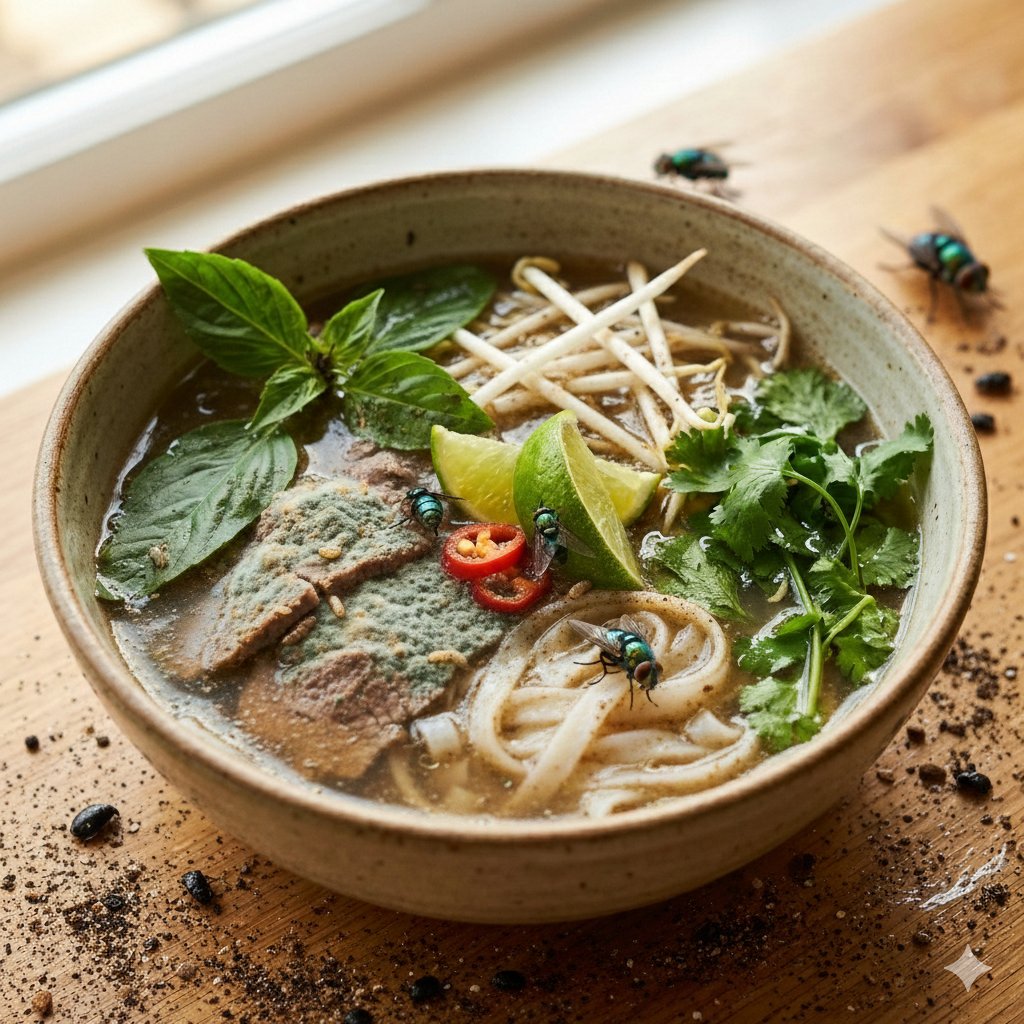
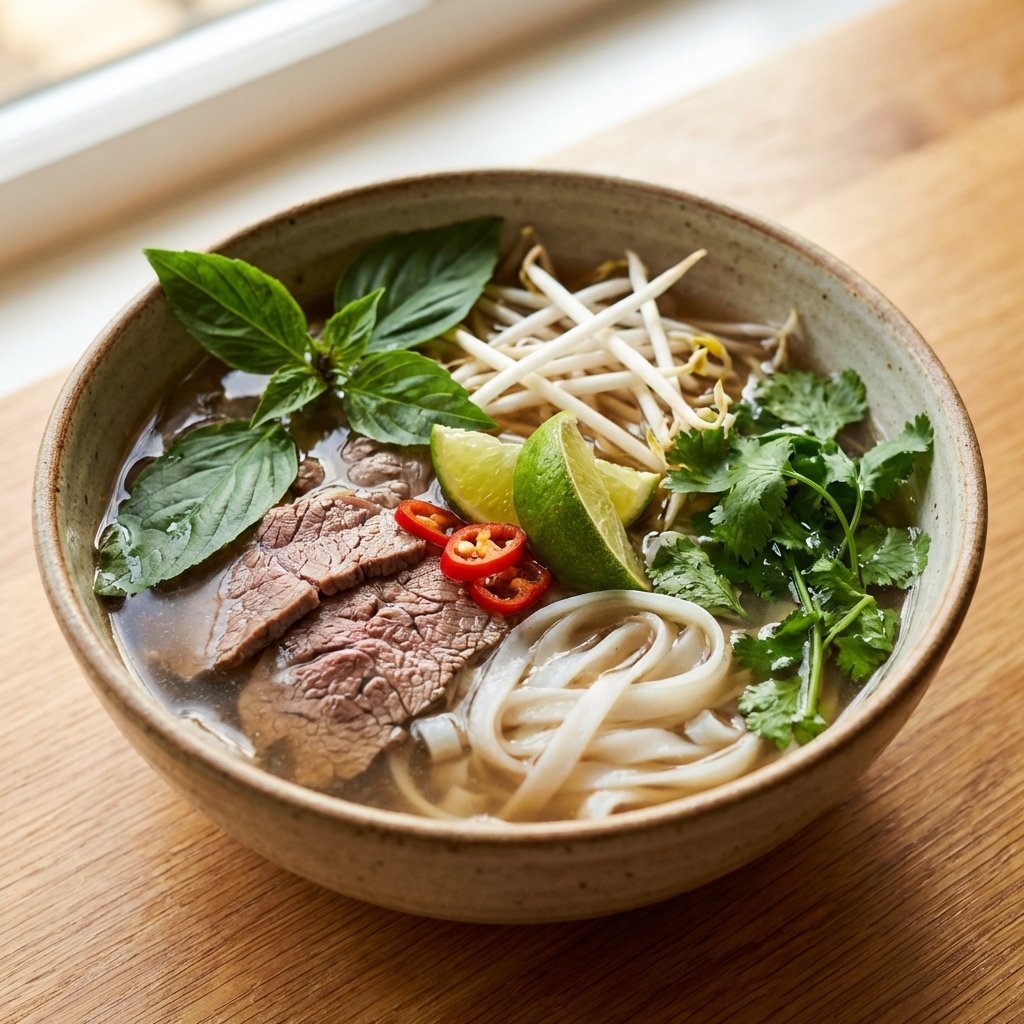
Let’s dismantle a massive delusion currently plaguing the 'wellness' community: the idea that Pho (Vietnamese rice noodle soup) is a healthy, restorative superfood. It is fascinating, in a morbid way, how a bowl of refined starch swimming in a saline solution has successfully branded itself as the ultimate detox meal or a 'light' alternative to ramen. Do not be fooled by the clear broth or the garnish of basil leaves; from a metabolic standpoint, a standard bowl of Pho is a physiological assault. We begin with the foundation: the rice noodles. These are not complex carbohydrates. They are hyper-processed, pulverized white rice flour, stripped of all fiber, bran, and germ. When you consume a standard portion—often exceeding 200g of cooked noodles—you are ingesting a massive load of high-glycemic carbohydrates. The Glycemic Index (GI) of typical rice noodles hovers around 65-70, dangerously close to table sugar. Within thirty minutes of consumption, your blood glucose levels skyrocket, forcing your pancreas to flood your system with insulin. For a 30-something professional with a slowing metabolism, this isn't fuel; it is the precursor to visceral fat storage and the inevitable 'carb coma' (post-prandial somnolence) that ruins your afternoon productivity. You aren't eating 'light'; you are drinking liquid sugar with a starch chaser. 📉
If the glycemic load wasn't concerning enough, let us address the elephant in the bowl: Sodium. The sodium content in a single restaurant serving of Pho is nothing short of toxic. A typical large bowl contains anywhere from 3,500mg to over 5,000mg of sodium. To put that in perspective, the American Heart Association recommends a maximum of 2,300mg per day, with an ideal limit of 1,500mg. You are consuming two to three days' worth of salt in one sitting. The broth acquires this salinity not just from table salt, but from generous amounts of fish sauce (fermented anchovy extract) and, in many establishments, industrial-grade MSG (Monosodium Glutamate) or powdered stock concentrates loaded with preservatives. This hypertonic solution creates massive osmotic stress on your cells. Your body retains water to dilute the sodium, leading to severe systemic bloating, increased blood volume, and significant strain on your arterial walls. For anyone monitoring blood pressure or kidney function, Pho is arguably one of the most dangerous items on a menu. It is a hypertension cocktail served hot.
Furthermore, the 'purity' of the broth is a myth. While traditionalists claim it is merely bone broth, the reality of commercial preparation involves significant hidden sugars. Rock sugar is a standard ingredient used to balance the salty pungency of the fish sauce. When you add the customary hoisin sauce—which is essentially a paste made of sugar, soybeans, and cornstarch—you are dumping spoonfuls of fructose into your soup. A single tablespoon of hoisin contains nearly 7 grams of sugar. Combine this with the processed meat options often found in these bowls, such as 'beef balls' which are essentially hot dogs made of questionable meat slurry, stabilizers, and sodium nitrates, and the health halo completely disintegrates. Even the 'rare beef' slices are often grain-fed, factory-farmed cuts high in Omega-6 fatty acids, promoting inflammation rather than reducing it. 🧪
Ultimately, Pho represents the worst kind of nutritional deception: empty calories masked as nourishment. A large bowl can easily surpass 800 to 1,000 calories once you account for the noodles, fatty brisket cuts, and sugary condiments, yet it provides almost no satiating fiber or micronutrient density to justify that load. The handful of bean sprouts and herbs on top offers negligible nutritional value compared to the metabolic havoc the broth and noodles wreak on your insulin sensitivity and cardiovascular system. If you value your long-term health, stop treating this sodium-laden glucose bomb as a 'healthy choice.' It is an occasional indulgence at best, and a metabolic disaster at worst. Treat it with the same caution you would a fast-food burger, because chemically, the impact on your body is frighteningly similar.
📌 Truth Summary
- Sodium Toxicity: A single bowl contains 3,500mg–5,000mg of sodium, more than double the daily recommended limit, causing cardiovascular strain.
- Glycemic Spikes: Refined rice noodles have a high Glycemic Index, causing rapid blood sugar elevation followed by an insulin crash.
- Hidden Sugars: The broth is brewed with rock sugar, and standard condiments like hoisin sauce are roughly 40% sugar by weight.
- Processed Additives: Many commercial broths rely on MSG and preservative-heavy concentrates rather than natural bone extraction.