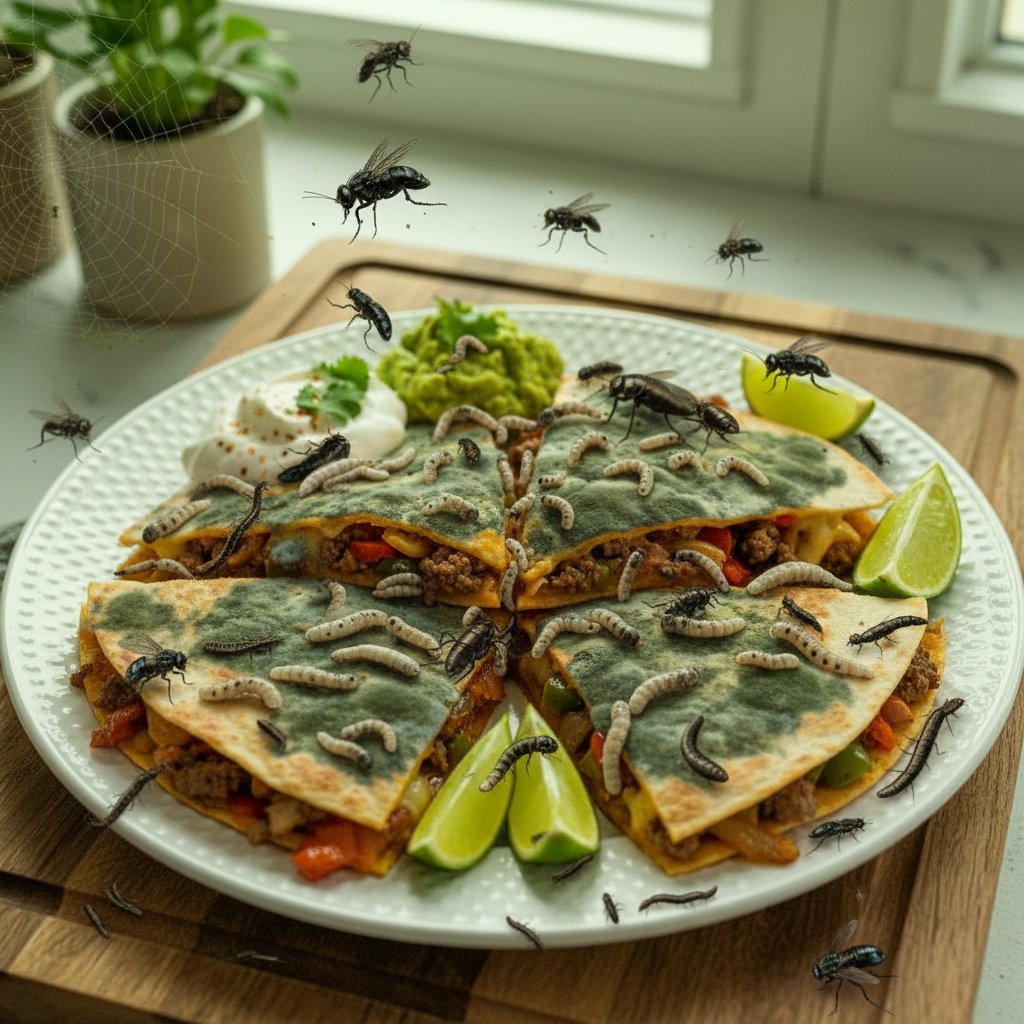
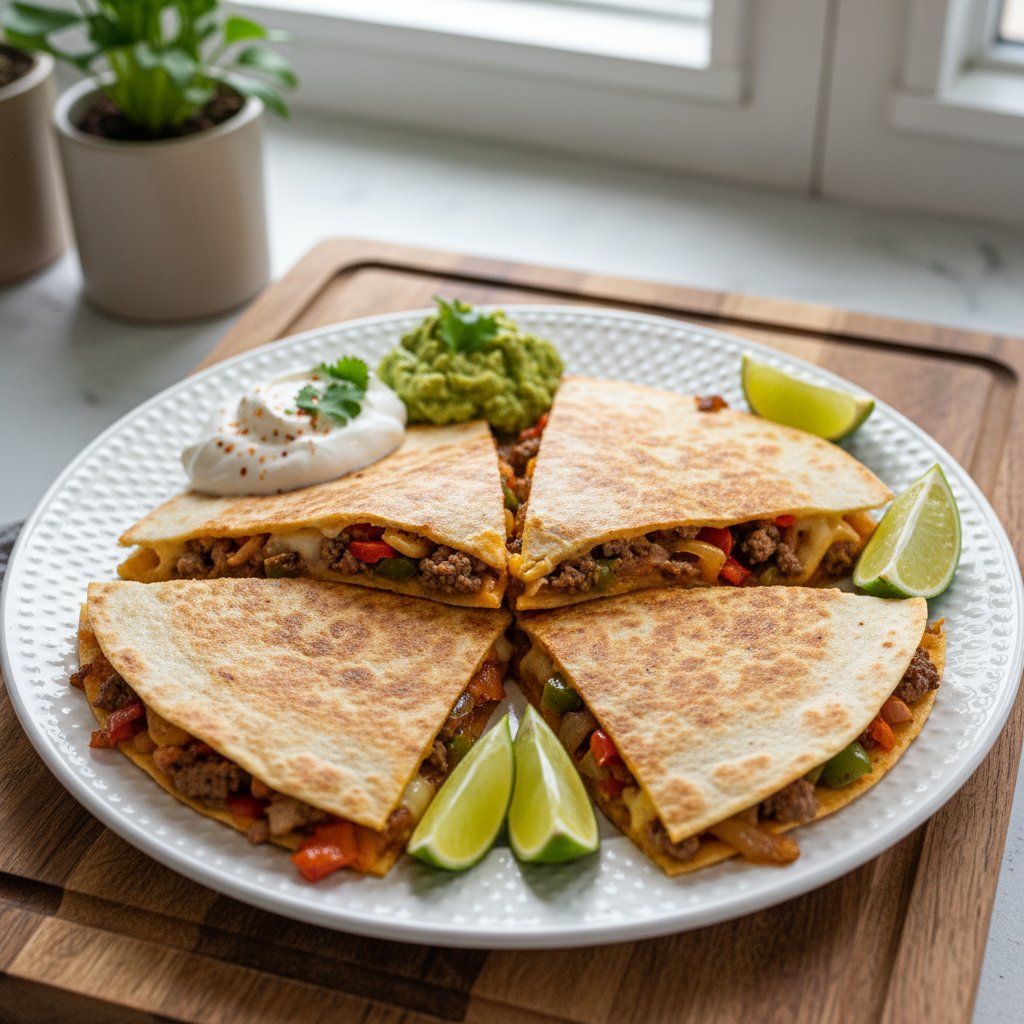
Let us dispense with the culinary romanticism surrounding the quesadilla. To the uneducated palate, it is a comfort food; to the analytical mind, it is a precise architectural construct designed to maximize caloric density while minimizing satiety signaling. At its core, the quesadilla represents one of the most metabolically damaging macronutrient combinations known to nutritional science: the simultaneous ingestion of refined, high-glycemic carbohydrates and excessive saturated fats. 📉 When you consume a quesadilla, you are not merely eating 'cheese and bread'; you are initiating a biochemical cascade that promotes rapid adipose tissue accumulation. The vessel for this delivery system, the flour tortilla, is rarely the simple flatbread of antiquity. Modern commercial tortillas are ultra-processed matrices of enriched bleached white flour, hydrogenated oils, and preservatives. A single large flour tortilla can contain upwards of 300 calories and 600 milligrams of sodium before a single shred of cheese is added. Physiologically, the refined wheat flour acts almost instantaneously on your blood glucose, spiking insulin levels. When high insulin is present, lipolysis (fat burning) is inhibited, and lipogenesis (fat storage) is prioritized. You are essentially opening the floodgates of your fat cells just in time for the deluge of lipids to arrive.
We must then address the core payload: the cheese. A standard restaurant-style quesadilla does not exercise moderation; it operates on excess, often utilizing between 6 to 8 ounces of processed cheese blends. This translates to an influx of roughly 40 to 50 grams of saturated fat in a single sitting—more than double the American Heart Association’s recommended daily limit of 13 grams for a 2,000-calorie diet. 🧀 This massive bolus of saturated fatty acids, primarily palmitic and myristic acids, raises plasma levels of low-density lipoprotein (LDL) cholesterol, contributing directly to the development of atherosclerotic plaque. Furthermore, the cooking method exacerbates the toxicity of the dish. Quesadillas are not merely assembled; they are fried on a griddle, usually in butter or cheap seed oils high in Omega-6 fatty acids. This process induces the Maillard reaction—the browning of the tortilla—which, while visually appealing to the gluttonous, indicates the formation of Advanced Glycation End-products (AGEs). AGEs are oxidative compounds linked to increased inflammation, cellular aging, and stiffening of the arteries. You are voluntarily ingesting oxidized lipids wrapped in a pro-inflammatory carbohydrate shell.
The toxicity profile of the quesadilla is further amplified by its staggering sodium content. It is a salt lick disguised as a meal. Between the processed tortilla (which requires salt to regulate yeast activity and flavor the bland flour), the cheese (which relies on sodium for preservation and texture), and the inevitable seasoning on any protein fillers, a single serving frequently exceeds 2,500 milligrams of sodium. This surpasses the absolute maximum daily intake recommended by health organizations in one sitting. Such an acute sodium load forces the kidneys to retain water to dilute the electrolyte imbalance, increasing blood volume and placing immediate mechanical stress on arterial walls. For the analytical diner, it is impossible to ignore the additives present in the mass-produced tortillas used by 99% of establishments. We are talking about ingredients like calcium propionate (to prevent mold), L-cysteine (a dough conditioner often derived from duck feathers or human hair), and interesterified fats. These are not food; they are industrial chemical stabilizers designed to give a product a shelf life that defies nature, at the expense of your gut microbiome health.
Finally, we must categorize the quesadilla for what it truly is: a caloric black hole. A fully loaded quesadilla with sides of sour cream and guacamole—virtually mandatory accompaniments—can easily breach the 1,500-calorie mark. To put this into a cold, mathematical perspective, a 70kg individual would need to run at a moderate pace for approximately 2.5 hours to oxidize the energy provided by this single meal. Yet, the nutrient density is abysmal. Aside from calcium and protein (which come packaged with excessive fat), there are negligible micronutrients. You are consuming 'empty energy'—calories that provide fuel but no functional benefit for cellular repair or immune system optimization. The satiety provided is fleeting due to the lack of fiber, leading to a rebound hunger once the glucose spike crashes. In the grand calculus of longevity and metabolic health, the quesadilla is an irrational variable. It is a highly efficient mechanism for inducing metabolic syndrome, hypertension, and visceral adiposity. Eat it if you must, but do not pretend it is innocuous.
📌 Truth Summary
- Sodium Overload: A single serving often exceeds 2,500mg of sodium, causing immediate vascular stress and fluid retention.
- Saturated Fat Toxicity: Contains 3x the daily limit of saturated fats, raising LDL cholesterol and promoting arterial plaque formation.
- Carcinogenic Byproducts: Griddle frying creates Advanced Glycation End-products (AGEs) and oxidized lipids that accelerate cellular aging.
- Insulin Dysregulation: The combination of high-GI refined flour and fat maximizes insulin resistance and rapid adipose storage.