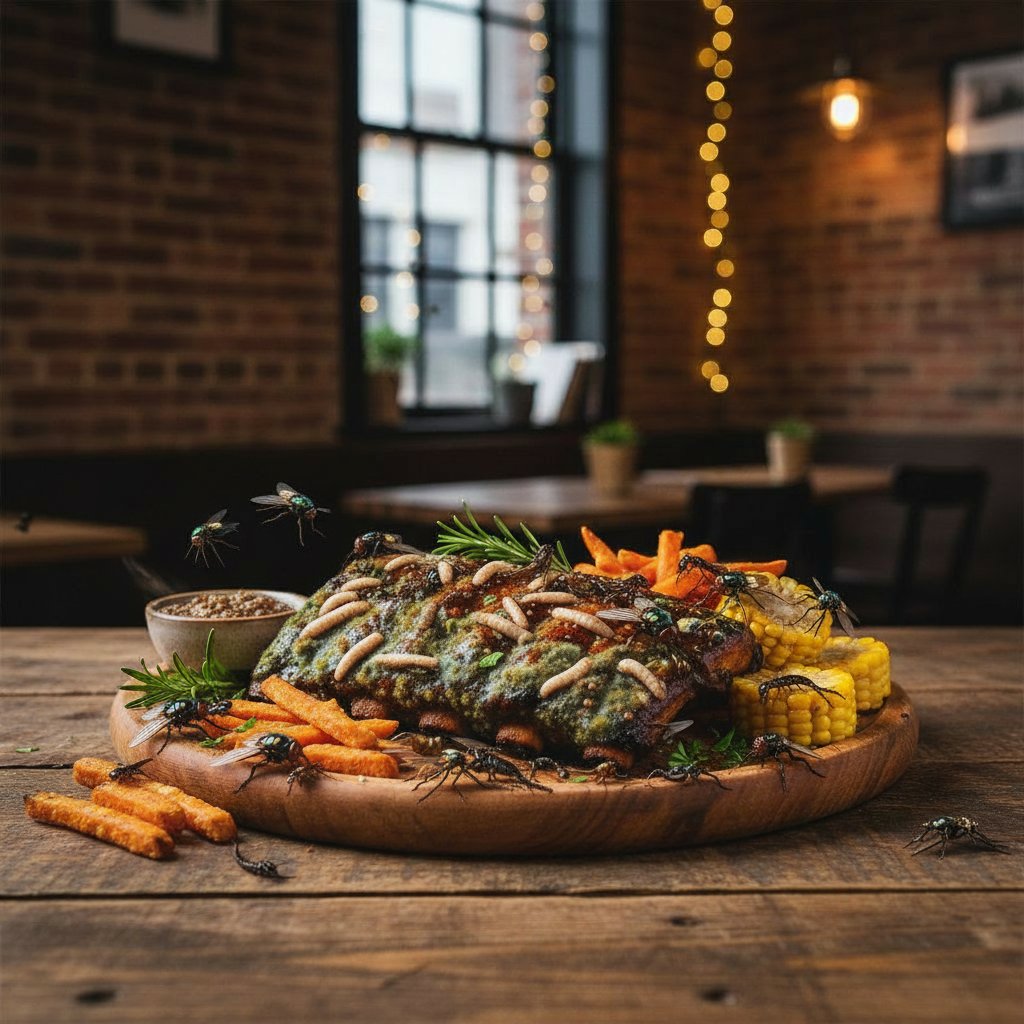
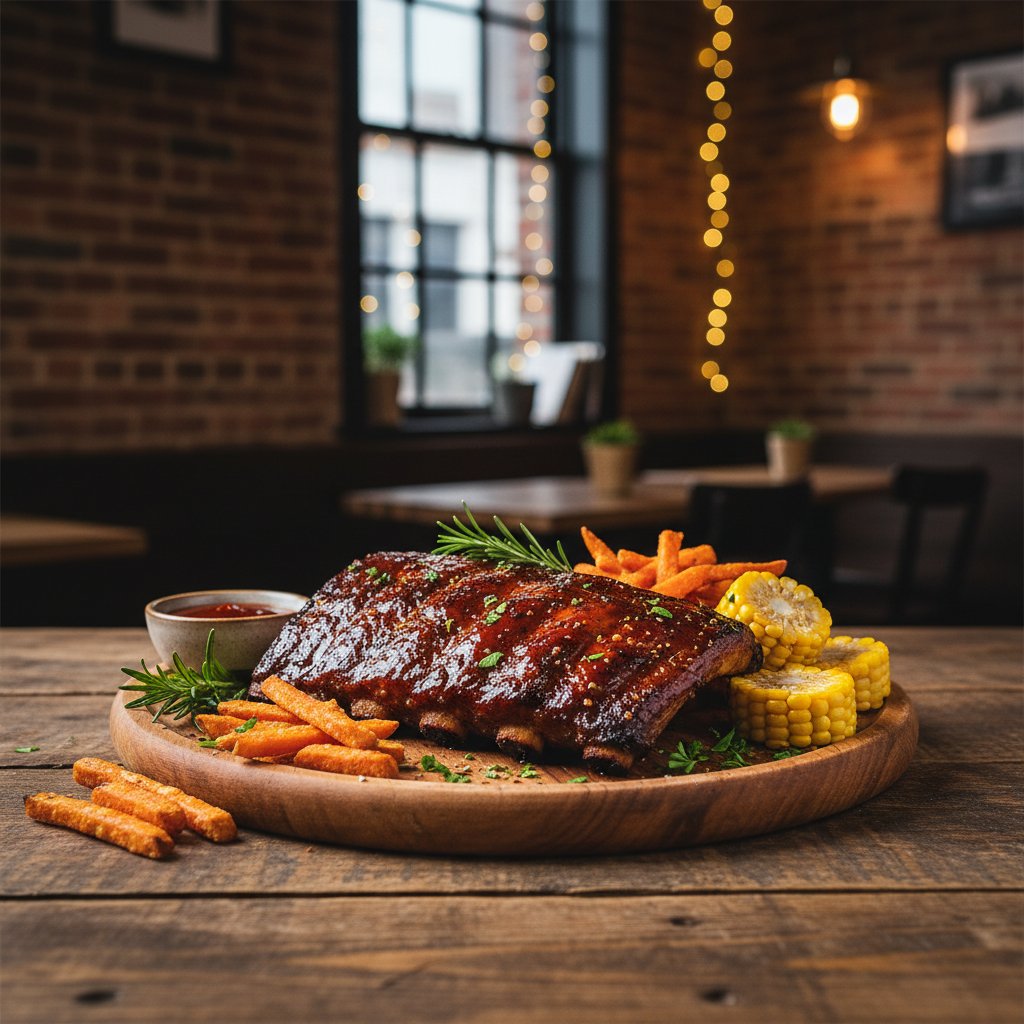
Let’s dismantle the romanticized notion of pork ribs, specifically the ubiquitous 'Back Ribs' or 'Spare Ribs' drowned in barbecue sauce. To the uneducated palate, this is a savory treat; to the analytical mind, it is a bio-hazardous combination of oxidized lipids and structural proteins designed to accelerate metabolic dysfunction. Anatomically, you are consuming the intercostal muscles and connective tissue of the pig—a section specifically predisposed to high fat retention. A standard half-rack serving size, which most consumers blindly double, contains upwards of 500 to 800 calories before the sauce is even applied. We are looking at a lipid profile dominated by palmitic and stearic acids, saturated fats that are notorious for raising LDL cholesterol and promoting arterial plaque deposition. When you consume 'fall-off-the-bone' tenderness, you are not eating quality protein; you are ingesting collagen that has been gelatinized in a bath of rendered lard. The caloric density here is staggering, with fat often accounting for over 60% of the total energy yield. This isn't nutrition; it is a calculated assault on your lipid panel. 🥩
However, the meat itself is merely the canvas for the true metabolic poison: the glaze. The modern pork rib is rarely served naked; it is lacquered in a viscous reduction of High Fructose Corn Syrup (HFCS), modified food starch, and artificial caramel coloring. This creates a phenomenon known as 'hyper-palatability,' hijacking your brain's reward center to bypass satiety signals. Analytically speaking, a rack of ribs can carry 40 to 60 grams of added sugar—equivalent to drinking a liter of soda with your steak. This massive fructose load hits the liver instantaneously, triggering de novo lipogenesis, where the liver converts this sugar directly into visceral fat. Simultaneously, the sauce is a sodium bomb, often delivering over 2,500mg of salt in a single sitting. This disrupts your osmotic balance, forcing your vascular system to retain water to dilute the toxicity, driving up blood pressure and placing unnecessary mechanical stress on your arterial walls. You aren't just eating dinner; you are inducing a temporary state of hypertension and insulin resistance. 📉
The preparation method renders this dish even more chemically volatile. To achieve the desired texture and 'smoky' flavor, ribs are subjected to prolonged heat and often direct flames. This thermal processing creates a chemical reaction far more sinister than simple cooking. When creatine and amino acids in the muscle meat react with the intense heat, they form Heterocyclic Amines (HCAs). Furthermore, when fat drips onto the heat source and creates smoke that wafts back up into the meat, it deposits Polycyclic Aromatic Hydrocarbons (PAHs). Both HCAs and PAHs are classified as mutagenic—they have the capacity to damage DNA and increase cancer risk. The 'char' you prize is essentially a accumulation of carbonized organic matter and carcinogenic compounds. Additionally, the browning of the sugary sauce represents the Maillard reaction run amok, creating Advanced Glycation End-products (AGEs). These compounds are linked to increased oxidative stress and inflammation in the body, essentially accelerating the aging process of your tissues at a cellular level. 🧪
Finally, we must address the systemic aftermath of ingesting this caloric and chemical payload. Digestion of such a heavy load of red meat and synthesized fats is taxonomically exhausting for the human body. The 'meat sweats' are a colloquial term for diet-induced thermogenesis, but in this context, it signals physiological distress. Your blood becomes lipemic—thick with triglycerides—for hours after the meal, impairing endothelial function and reducing oxygen transport efficiency. The combination of high fat and high sugar creates an inflammatory storm that impacts everything from joint health to cognitive function. While you may feel temporary satisfaction from the dopamine hit of salt and sugar, your body is working overtime to filter out the preservatives, metabolize the excess ethanol-like fructose, and manage the massive influx of inflammatory lipids. It is an inefficient, dangerous fuel source that has no place in a dataset of optimal human nutrition.
📌 Truth Summary
- Carcinogenic Load: The charring and smoking process creates Heterocyclic Amines (HCAs) and Polycyclic Aromatic Hydrocarbons (PAHs), both established mutagens linked to DNA damage.
- Glycemic Disaster: The BBQ glaze is typically composed of High Fructose Corn Syrup, delivering a sugar spike equivalent to soda that triggers immediate insulin resistance and visceral fat storage.
- Sodium Toxicity: A single rack often exceeds the daily recommended limit of 2,300mg of sodium, causing severe water retention, vascular constriction, and acute blood pressure spikes.
- Lipid Profile: Composed largely of saturated fats (palmitic acid), the meat contributes to elevated LDL cholesterol and induces post-prandial lipemia, thickening blood with triglycerides.