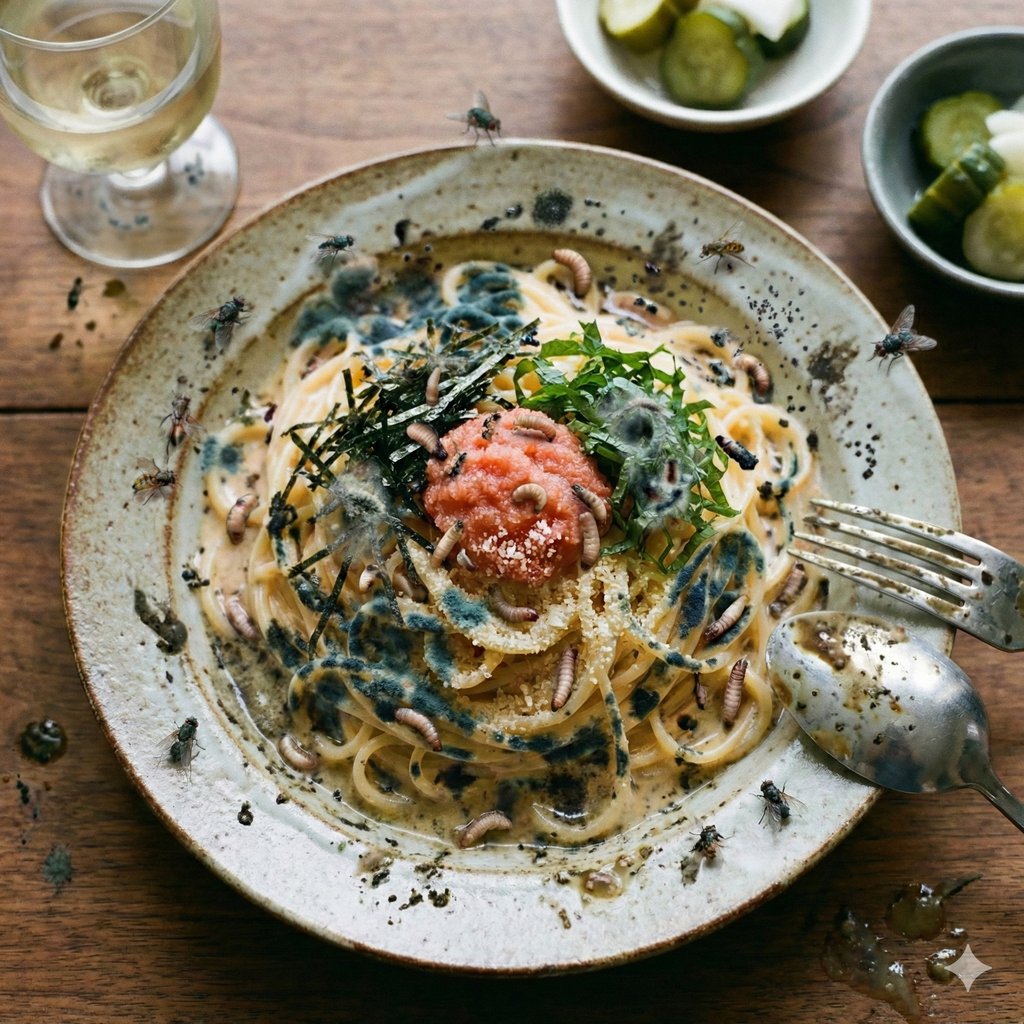
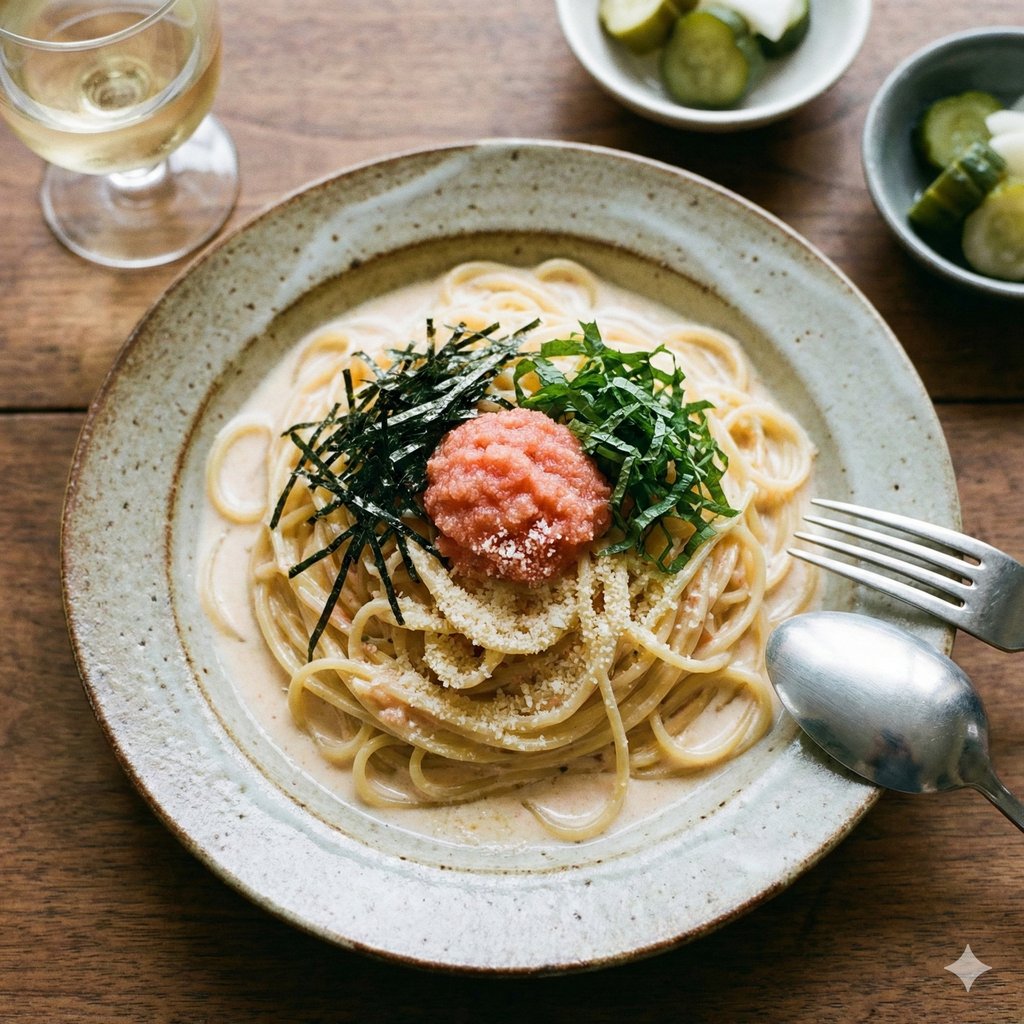
Let’s dispense with the romanticism of "fusion cuisine" immediately. When you look at a plate of Pollack Roe Pasta—or Mentaiko pasta as it’s often marketed—you aren't seeing a sophisticated seafood dish. You are looking at a biochemical weapon targeting your cardiovascular system. The visual appeal of those tiny, pink eggs clinging to semolina strands is nothing more than a cosmetic mask for a nutritional disaster. Let’s start with the "star" ingredient: the roe. Pollack roe is not fresh fish; it is Jeotgal, a preserved, salted product. To achieve that appetizing hue and shelf stability, the roe is submerged in a brine that is scientifically horrifying. A standard restaurant serving of this pasta contains anywhere from 2,300mg to 3,000mg of sodium. That is 100% to 130% of your recommended daily maximum in a single sitting. The immediate physiological response is massive water retention and vasoconstriction. Your kidneys scramble to filter the excess, increasing blood volume and placing immense mechanical stress on your arterial walls. If you value your blood pressure, this dish is an act of self-sabotage. 🧂
However, the sodium content is merely the acute threat; the chronic threat lies in the preservation method. To prevent botulism and maintain that vibrant pink color (which would naturally be a dull, unappetizing beige), manufacturers heavily utilize color fixatives, specifically sodium nitrite. When ingested, nitrites can react with amines in the stomach to form nitrosamines, which are potent carcinogens. The World Health Organization (WHO) has classified processed meats and salted fish products in the same danger category as cigarettes regarding cancer risk. Furthermore, many commercial pollack roe products utilize artificial tar colors (like Red No. 2 or Red No. 40) to enhance visual appeal. You are essentially eating a slurry of petrochemical dyes and potential carcinogens mixed with fish cholesterol. Speaking of cholesterol, a single sac of pollack roe contains a concentration of dietary cholesterol that rivals multiple egg yolks. When you heat this roe in a pan, as is common in pasta preparation, you risk oxidizing the cholesterol. Oxidized cholesterol (oxysterols) is significantly more atherogenic than non-oxidized cholesterol, meaning it is far more efficient at creating plaque deposits in your arteries, leading to atherosclerosis.
Now, let us analyze the matrix in which these toxic eggs are suspended. Pollack Roe Pasta is rarely served in a broth; it is almost exclusively bound by lipids—heavy cream, butter, or, in the cheaper and more insidious variations found in fusion restaurants, mayonnaise. A standard serving of this dish clocks in between 900 and 1,200 calories. This is caloric density without nutritional density. The sauce is typically an emulsion of saturated fats. If the chef uses 30 grams of butter and 50ml of heavy cream to create the sauce base, you are ingesting approximately 35 grams of saturated fat—nearly double the American Heart Association’s daily limit for someone needing to lower cholesterol. This high-fat environment creates a state of postprandial lipemia, where your blood becomes milky with triglycerides for hours after eating. This impairs endothelial function, the ability of your blood vessels to dilate and contract, further exacerbating the hypertension caused by the sodium mentioned earlier. 📉
Finally, we must address the substrate: white, refined pasta. This is a simple carbohydrate with a high glycemic load. When you combine high levels of saturated fat with high levels of refined carbohydrates, you trigger a metabolic nightmare known as "glucolipotoxicity." The carbohydrates spike your insulin, promoting fat storage, while the excessive dietary fats impair insulin sensitivity, keeping your blood sugar elevated for longer periods. This dish is effectively a precision-engineered tool for inducing metabolic syndrome. There is no fiber to mitigate the glucose spike, no phytonutrients to combat the inflammation caused by the oxidized fats, and no potassium to counterbalance the lethal levels of sodium. You are eating inflammatory refined flour coated in carcinogenic preserved eggs and artery-clogging fats. It is not "gourmet"; it is a physiological insult. ☢️
📌 Truth Summary
- Sodium Toxicity: A single serving exceeds 2,500mg of sodium, triggering immediate hypertension and edema.
- Carcinogenic Additives: The roe is cured with sodium nitrite and artificial dyes, linking consumption to increased risk of gastric cancers.
- Lipid Profile: The cream/mayo base pushes saturated fat intake over 35g, promoting arterial plaque formation and inflammation.
- Glucolipotoxicity: The combination of refined carbs and high fats impairs insulin sensitivity and maximizes fat storage.