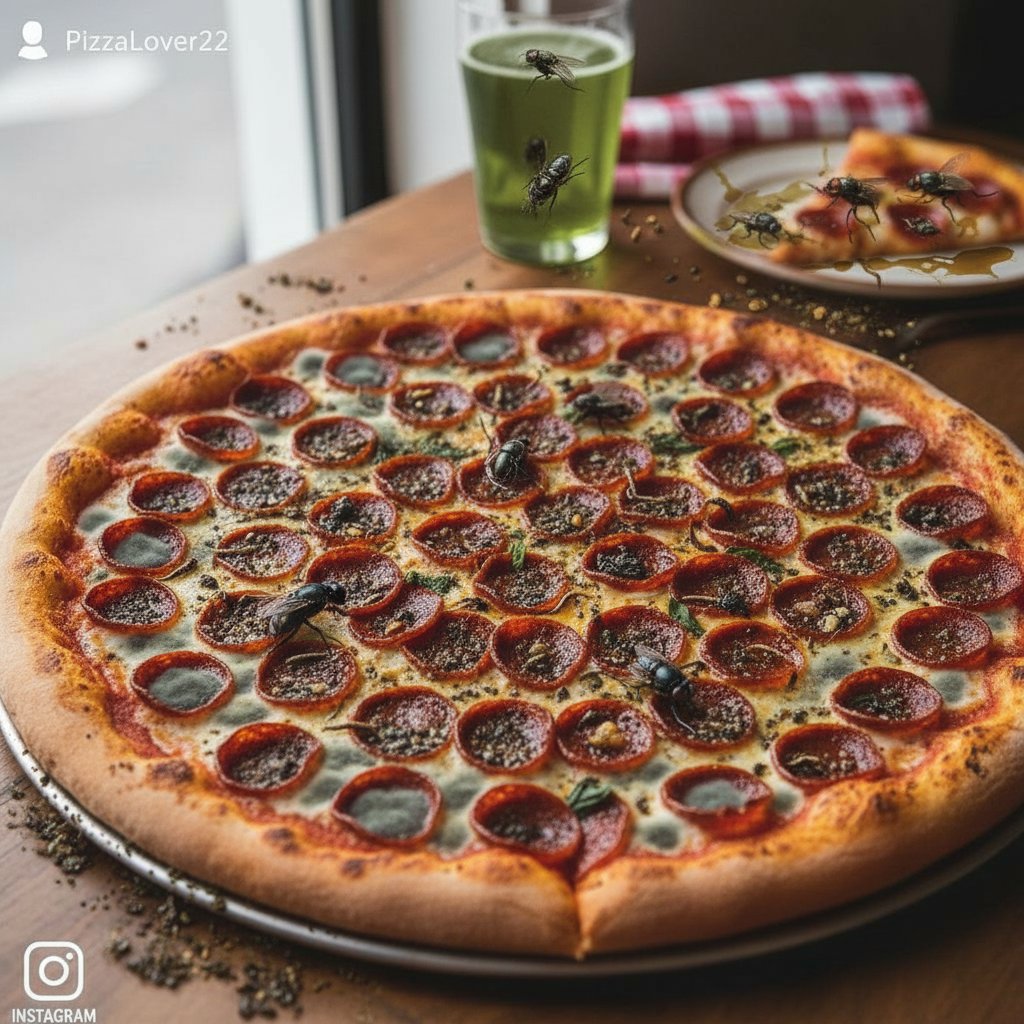
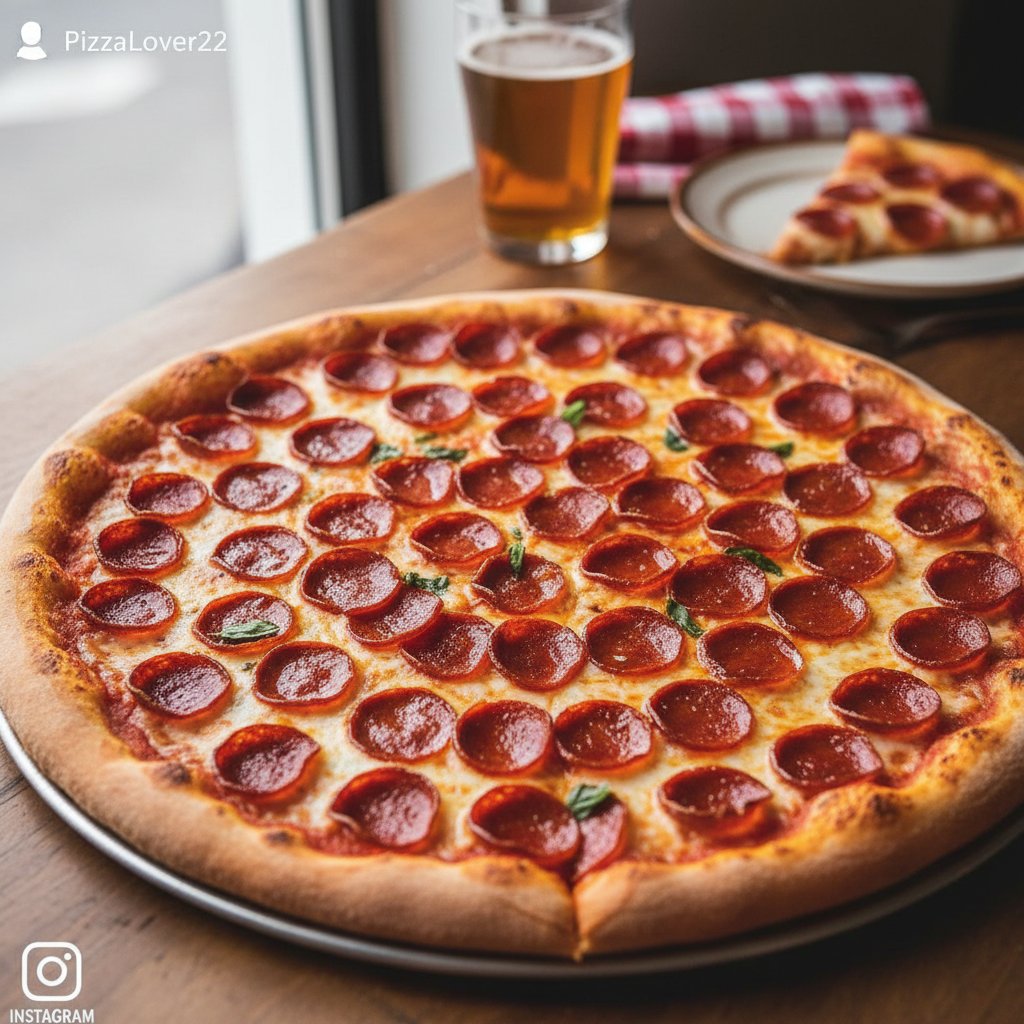
Let’s dispense with the nostalgia and cultural romanticism surrounding the ubiquitous pepperoni pizza. While the masses view this as the ultimate comfort food, a clinical analysis of its nutritional profile reveals it to be a efficiently engineered bio-weapon against metabolic health. We are not discussing a harmless cheat meal; we are discussing a calculated assault on your arterial flexibility and insulin sensitivity. When you consume a standard 14-inch pepperoni pizza, you are not merely eating 'bread, cheese, and meat.' You are ingesting a hyper-palatable matrix of refined carbohydrates, oxidized lipids, and chemically preserved proteins designed to override your hypothalamic satiety signals. Let's look at the numbers. A single slice from a standard chain restaurant averages 300 to 450 calories, with approximately 15-20 grams of fat and nearly 800 milligrams of sodium. The average adult consumes three slices in a sitting. Do the math. In twenty minutes, you have consumed 60% of your daily caloric requirement, largely devoid of micronutrients or fiber, while simultaneously spiking your blood glucose levels into a diabetic range. The foundation of this disaster is the crust—highly refined white flour that hits your bloodstream with the speed of table sugar. This rapid glucose influx triggers a massive insulin response, switching your body into acute fat-storage mode just as the dietary fat from the cheese and meat enters your system. It is a metabolic dead end. 📉
The topping itself, the pepperoni, represents the most egregious offense to human physiology in this equation. Pepperoni is not 'meat' in the traditional sense; it is a Class 1 carcinogen as classified by the World Health Organization (WHO), placing it in the same risk category as tobacco and asbestos. The vivid red hue that makes it visually appealing is the result of sodium nitrate and nitrite curing. When exposed to high heat—like the 500°F (260°C) environment of a pizza oven—these nitrates react with amines in the meat to form nitrosamines, potent compounds linked directly to colorectal cancer. Furthermore, the high-heat cooking of the high-fat pepperoni and cheese creates Advanced Glycation End-products (AGEs). These compounds bind to your cells’ receptors, triggering oxidative stress and systemic inflammation, essentially accelerating the aging process of your tissues from the inside out. You are literally cooking your cells in an inflammatory bath. The sheer density of saturated fat—often 15 grams per slice—induces postprandial lipemia, a state where your blood becomes thick with triglycerides, impairing endothelial function (the ability of your blood vessels to dilate) for hours after ingestion. You are mechanically restricting your own blood flow for the sake of temporary sensory pleasure.
Then we must address the sodium toxicity. The 'Salt Assault' delivered by pepperoni pizza is staggering. The dough is salted to mask the blandness of refined flour; the sauce is salted to balance the acidity of cheap tomato paste; the cheese is naturally high in sodium; and the pepperoni is essentially cured in salt. A three-slice serving can easily deliver 2,500mg to 3,000mg of sodium. To put this in perspective, the American Heart Association recommends an ideal limit of 1,500mg per day for most adults. You are doubling your daily limit in one meal. This massive sodium load disrupts your body's osmotic balance, forcing water retention to dilute the toxicity in your bloodstream. This increases blood volume, placing significant hydraulic strain on your arterial walls and kidneys. Over time, this is the blueprint for hypertension and renal degradation. Furthermore, this sodium load is often paired with hidden sugars in the tomato sauce—commercial pizza sauces often contain high-fructose corn syrup to addict the palate to the 'bliss point,' the precise ratio of salt, sugar, and fat that makes the food biologically addictive. ⚠️
Finally, we must acknowledge the complete lack of nutritional redemption. There is virtually no fiber to mitigate the glucose spike. The vitamins present in the tomato sauce are negligible compared to the caloric load. You are consuming 'empty density'—foods that provide massive energy but zero cellular utility. The physiological cost of digesting this meal is immense; the 'food coma' you feel afterward is your body diverting significant energy resources to manage the toxic load and inflammation you have just introduced. From an analytical perspective, pepperoni pizza is a triumph of food engineering and a failure of nutrition. It optimizes for shelf life, profit margin, and addiction, while optimizing your body for inflammation, insulin resistance, and long-term chronic disease. If you value your metabolic data, this item belongs in the trash, not your GI tract.
📌 Truth Summary
- Carcinogenic Classification: Pepperoni is a WHO Group 1 carcinogen; nitrates convert to cancer-causing nitrosamines under high heat.
- Sodium Toxicity: A standard serving (3 slices) often exceeds 2,500mg of sodium, nearly double the ideal daily limit for heart health.
- Metabolic Disruption: The combination of high-glycemic refined flour and saturated fats triggers immediate insulin resistance and endothelial dysfunction.
- Inflammatory Load: High-heat cooking creates Advanced Glycation End-products (AGEs), accelerating cellular aging and oxidative stress.