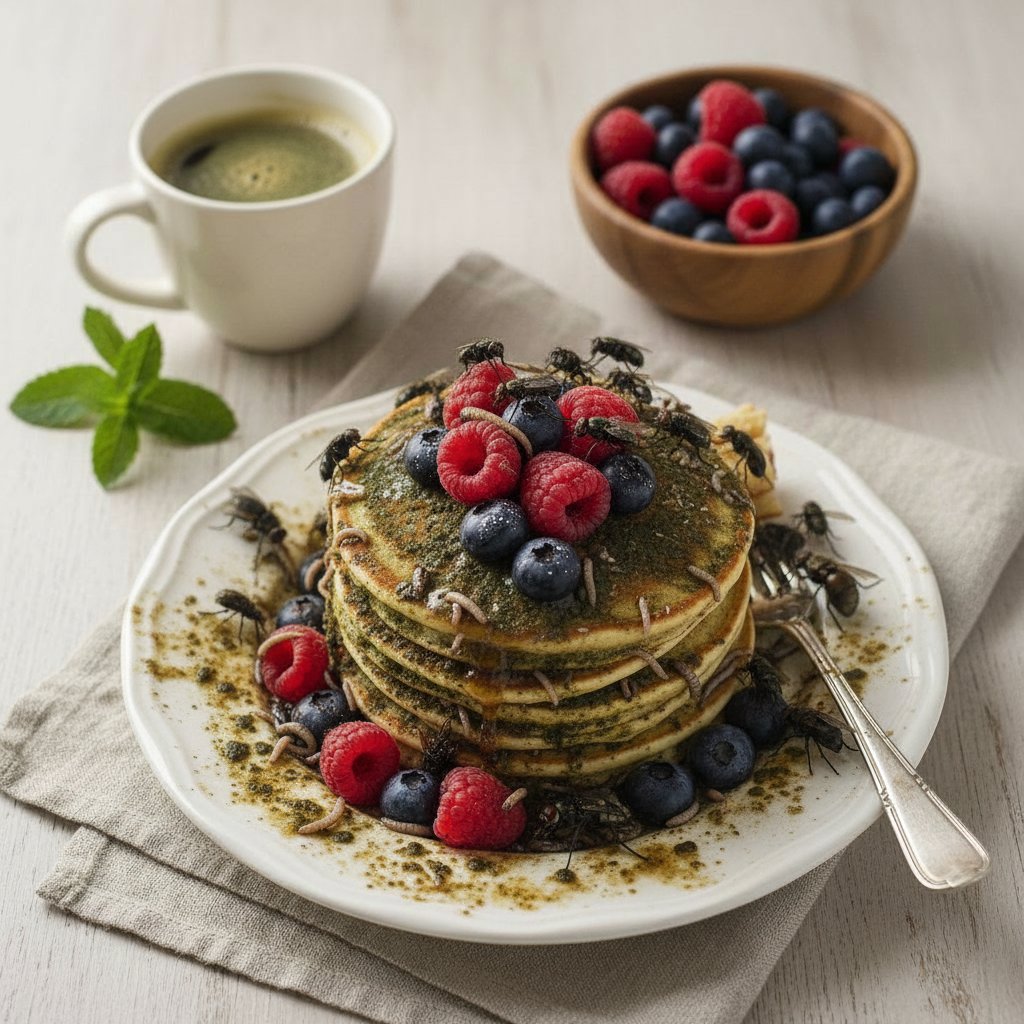

Let us strip away the nostalgia and the marketing veneer of the 'wholesome American breakfast.' When you look at a stack of pancakes, you are not looking at nutrition; you are looking at a structural matrix designed efficiently to destroy your metabolic stability. The pancake is, fundamentally, a sponge made of refined white flour—specifically Type 00 or all-purpose flour—which has been aggressively milled to remove the bran and germ, effectively stripping away fiber, B vitamins, and iron. What remains is pure endosperm: a rapidly digestible starch that converts to glucose the moment it hits the amylase enzymes in your saliva. The Glycemic Index (GI) of a standard pancake hovers around 67 to 85, depending on the formulation. For context, table sugar (sucrose) has a GI of roughly 65. You are essentially eating a substance that spikes your blood glucose faster and more aggressively than a candy bar. A standard 'short stack' of three pancakes contains approximately 90 grams of carbohydrates before you even reach for the syrup. This massive influx of glucose forces the pancreas to release a torrential amount of insulin to shuttle that sugar out of the bloodstream. Repeated exposure to this kind of insulin surge is the primary mechanic behind the development of insulin resistance and, eventually, Type 2 diabetes. There is nothing 'cozy' about pancreatic exhaustion. 📉
If the flour wasn't problematic enough, we must address the chemical composition of the batter and the toppings. Pancakes are chemically leavened, usually with baking powder, which is a combination of sodium bicarbonate and a weak acid salt. This invisible sodium load is staggering. A typical diner serving of pancakes can contain upwards of 2,300 milligrams of sodium—that is 100% of the American Heart Association’s ideal daily limit—hidden inside a food that tastes sweet. This creates a dangerous 'sweet-salty' hyper-palatable feedback loop that overrides your brain's satiety signals (leptin), causing you to overeat. But the true villain is the absorption vehicle. The pancake's porous texture is physically engineered to absorb liquid. Enter the syrup. Most commercial 'maple' syrups are actually high-fructose corn syrup (HFCS) dyed with caramel color. Unlike glucose, which can be utilized by every cell in your body for energy, fructose is metabolized almost exclusively by the liver. When you flood your liver with the 50-70 grams of fructose found in a quarter-cup of syrup, you trigger hepatic lipogenesis—the process of turning sugar directly into visceral fat. This is the same metabolic pathway that leads to Non-Alcoholic Fatty Liver Disease (NAFLD). You are essentially soaking a refined carbohydrate sponge in a liver-toxic solvent and calling it 'fuel.'
We must also examine the cooking method and the lipid profile. To achieve that golden-brown exterior, the batter is fried in fat—often hydrogenated vegetable oils or low-quality butter blends—creating a distinct crispness via the Maillard reaction. While culinarily desirable, this browning process, particularly when sugar and proteins are subjected to high heat, creates Advanced Glycation End-products (AGEs). AGEs are oxidative compounds that bind to your cells and promote inflammation, vascular stiffening, and premature aging. Furthermore, the typical pancake breakfast is a masterclass in the 'high-carb/high-fat' combination, which is the most obesogenic macronutrient profile possible. When high insulin levels (triggered by the flour and syrup) meet high levels of dietary saturated fat (from the butter pat on top and the fat in the batter), your body enters a storage mode lock-in. The insulin opens the fat cells, and the dietary fat is shoveled in, with lipolysis (fat burning) completely halted for hours. A single deluxe breakfast platter containing pancakes, syrup, and butter can easily exceed 1,200 calories—over half the daily energy requirement for a sedentary adult—consumed in a single sitting before 10:00 AM.
Finally, let’s analyze the physiological aftermath: the post-prandial crash. roughly 90 to 120 minutes after consuming this hyper-glycemic meal, your insulin levels will have successfully cleared the glucose from your blood. However, because the spike was so drastic, the drop is equally precipitous. This results in reactive hypoglycemia. You will experience brain fog, lethargy, irritability, and a renewed, intense craving for sugar as your body panics over the low fuel state. This is the 'food coma' you joke about; biologically, it is a state of metabolic distress. This rollercoaster disrupts your ghrelin regulation, meaning you will likely overeat at lunch and dinner as well. From a cold, analytical standpoint, pancakes serve no nutritional purpose. They are calorie-dense but nutrient-void, pro-inflammatory, and metabolically disruptive. If you value sustained energy, vascular health, and insulin sensitivity, this food item should be categorized as a dessert to be eaten once a year, not a breakfast staple. Eat eggs, eat oats, eat avocado—do not eat this toxic fluff. 🚫
📌 Truth Summary
- Insulin Volatility: The high Glycemic Index (67-85) of white flour creates an immediate glucose spike followed by reactive hypoglycemia (the crash).
- Hepatic Stress: Absorption of High Fructose Corn Syrup triggers lipogenesis in the liver, contributing to visceral fat and fatty liver disease.
- Sodium Toxicity: Leavening agents (baking powder/soda) hide up to 2,300mg of sodium per serving, masking a hypertension risk in a sweet food.
- AGE Formation: The browning process (Maillard reaction) combined with sugar creates Advanced Glycation End-products, accelerating cellular aging and inflammation.