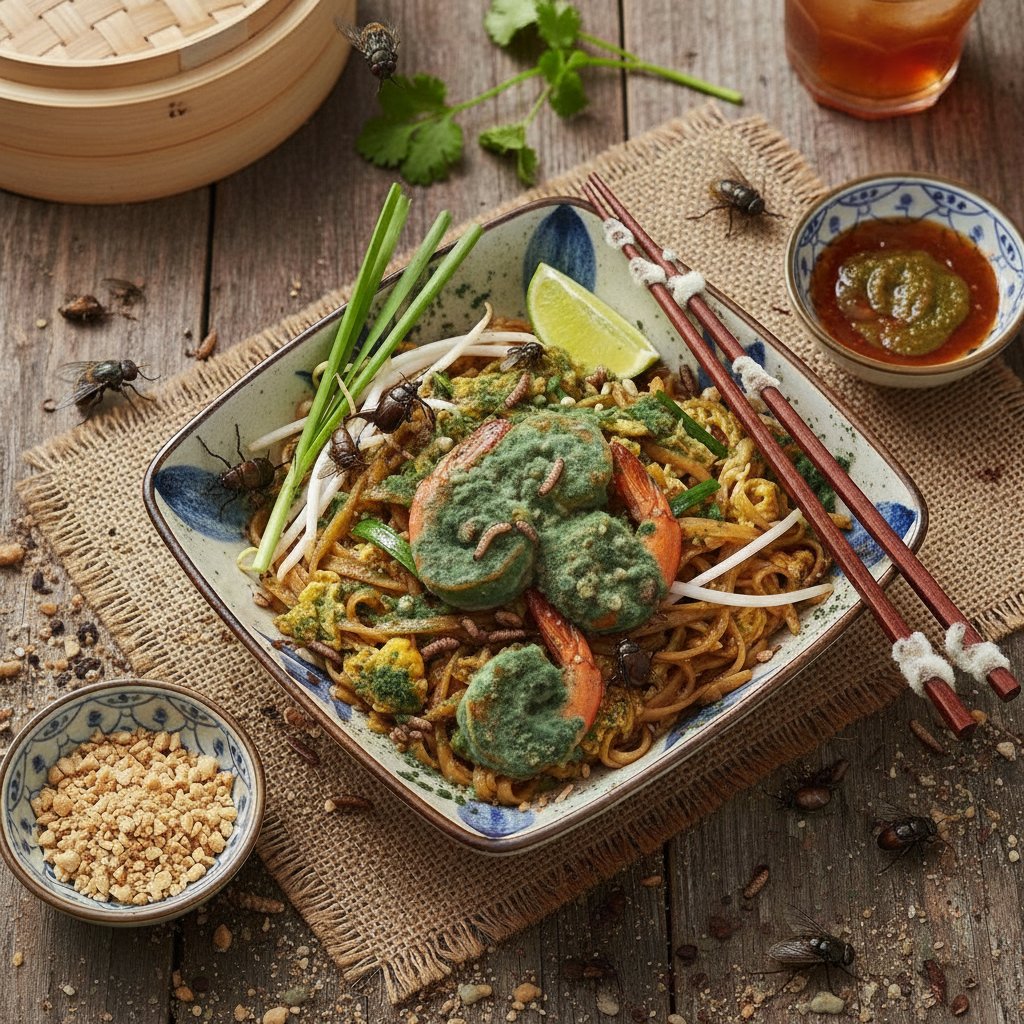
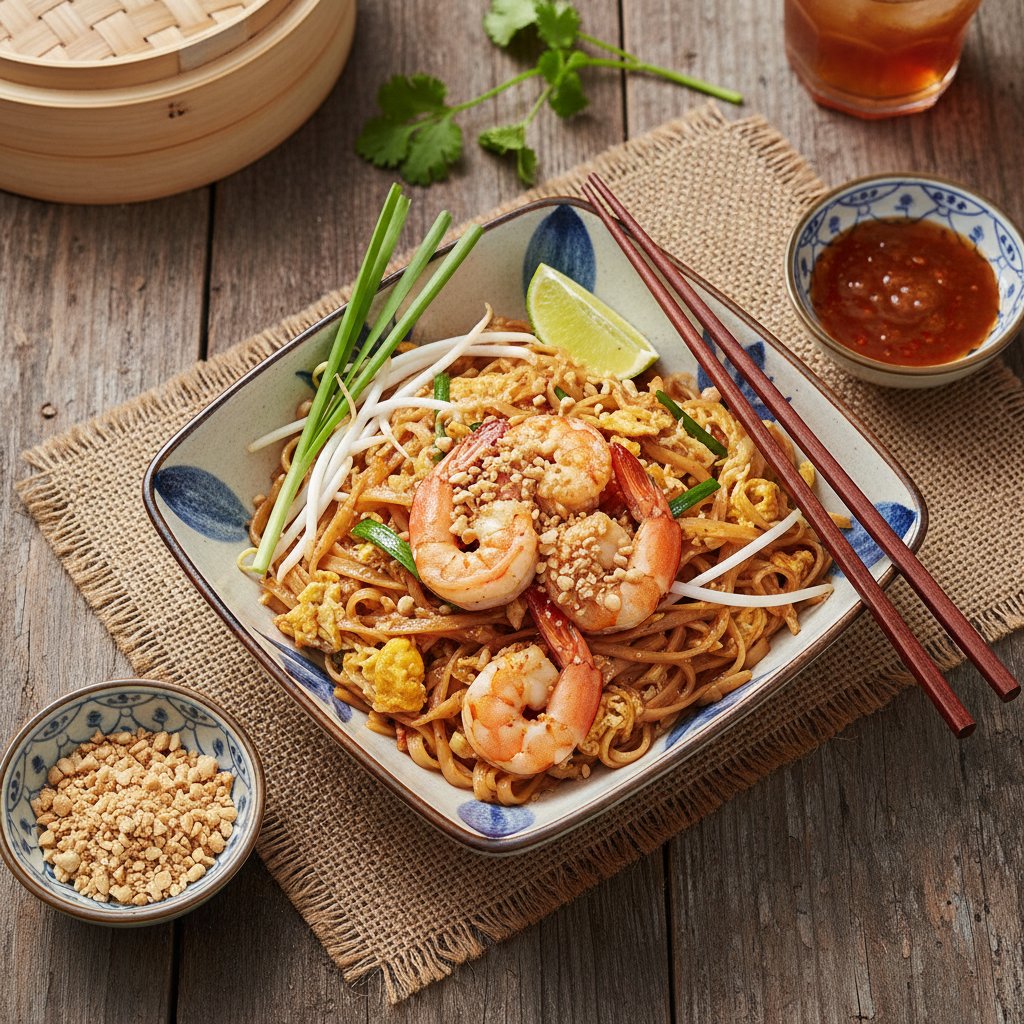
Let us dismantle the illusion immediately: Pad Thai is not a meal; it is a metabolic insult disguised as cultural cuisine. Many consumers, deluded by the presence of bean sprouts and a few scattered peanuts, categorize this dish as a 'lighter' alternative to heavy curries. This is a fatal error in judgment. Analytically speaking, Pad Thai is a structural nightmare of refined carbohydrates and oxidized fats. 📉 The base component, the flat rice noodle (sen chan), is essentially pure glucose waiting to happen. Unlike complex carbohydrates found in nature, these processed rice flours have been stripped of fiber and germ, resulting in a Glycemic Index (GI) hovering dangerously high. When you consume a standard restaurant portion, which frequently exceeds 300 grams of carbohydrates, you are not fueling your body; you are flooding your bloodstream with a glucose load equivalent to seven slices of white bread. The pancreas is forced to release a torrent of insulin to manage this spike, promoting immediate fat storage in adipose tissue. A standard serving clocks in at a staggering 1,000 to 1,200 calories, the vast majority of which are empty, nutrient-void energy units that contribute nothing to cellular repair but everything to visceral fat accumulation.
However, the carbohydrate density is merely the delivery mechanism for the true poison: the sauce. The unique flavor profile of Pad Thai—that addictive balance of sweet, salty, and sour—is chemically engineered through excessive quantities of palm sugar and sodium. In my analysis of standard recipes used in high-volume kitchens, the ratio of sugar is grotesque. A single plate often contains upwards of 40 grams of sugar. That is ten teaspoons. You are essentially eating dinner covered in soda syrup. 🧪 Combined with fish sauce and oyster sauce, the sodium content skyrockets to levels that should require a warning label. We are looking at numbers exceeding 2,500 milligrams per serving—well over the World Health Organization’s recommended daily limit of 2,000 milligrams. This acute sodium load causes immediate water retention, spiking blood pressure and placing unnecessary mechanical stress on the arterial walls and kidneys. To call this 'savory' is a linguistic trick; biologically, it is a hyper-palatable electrolyte imbalance designed to override your satiety signals, ensuring you finish the entire plate despite the caloric overload.
If the sugar and salt do not concern you, the lipid profile should terrify you. Pad Thai is traditionally cooked in a wok at extreme temperatures, requiring a high smoke point oil. In 99% of establishments, this means cheap, highly refined soybean, canola, or vegetable oils. These oils are rich in unstable Omega-6 polyunsaturated fatty acids. When subjected to the 'wok hei' (breath of the wok) heat, these unstable fats undergo rapid oxidation and lipid peroxidation, generating cytotoxic byproducts such as aldehydes and 4-hydroxynonenal (HNE). These compounds are linked to cellular DNA damage and systemic inflammation. Furthermore, the ingredients often lauded as 'protein' sources—the firm tofu and shrimp—are frequently deep-fried in these same degraded oils before they even hit the wok for the final stir-fry. You are consuming a sponge of oxidized lipids. The inflammation triggered by this Omega-6 bomb persists in the body long after digestion, contributing to endothelial dysfunction and oxidative stress markers. It is a pro-inflammatory cocktail served with a lime wedge.
Finally, we must address the so-called 'fresh' garnishes that provide a false halo of health. The crushed peanuts, often stored in warm, humid kitchen environments for extended periods, are a prime vector for aflatoxins—a potent carcinogen produced by Aspergillus mold. 🚫 While not guaranteed in every serving, the risk in bulk-stored restaurant condiments is statistically significant. Additionally, the preserved sweet radish and dried shrimp often used for authenticity are laden with nitrates and sulfites, preservatives that have been linked to migraines and gastric irritation in sensitive individuals. When you combine the carcinogenic potential of acrylamide formation from charred noodles, the aldehydes from overheated vegetable oils, and the insulin-destroying sugar load, Pad Thai reveals itself as a nutritional hazard. It is not a balanced meal; it is a reckless convergence of the modern diet's worst offenders: refined sugar, refined grains, and refined oils. Eat it if you must, but do not pretend it is nourishment.
📌 Truth Summary
- Glycemic Catastrophe: A single serving delivers a massive load of refined rice flour and palm sugar (40g+), spiking insulin levels comparable to consuming liquid syrup.
- Sodium Toxicity: With sodium levels frequently exceeding 2,500mg, this dish single-handedly surpasses the daily WHO safety limit, straining cardiovascular function.
- Oxidative Stress: The use of cheap seed oils at high wok temperatures creates carcinogenic aldehydes and promotes systemic inflammation via lipid peroxidation.
- Deceptive Density: Despite the presence of meager vegetables, the dish is a 1,200-calorie nutrient void, providing empty energy that promotes visceral fat storage.