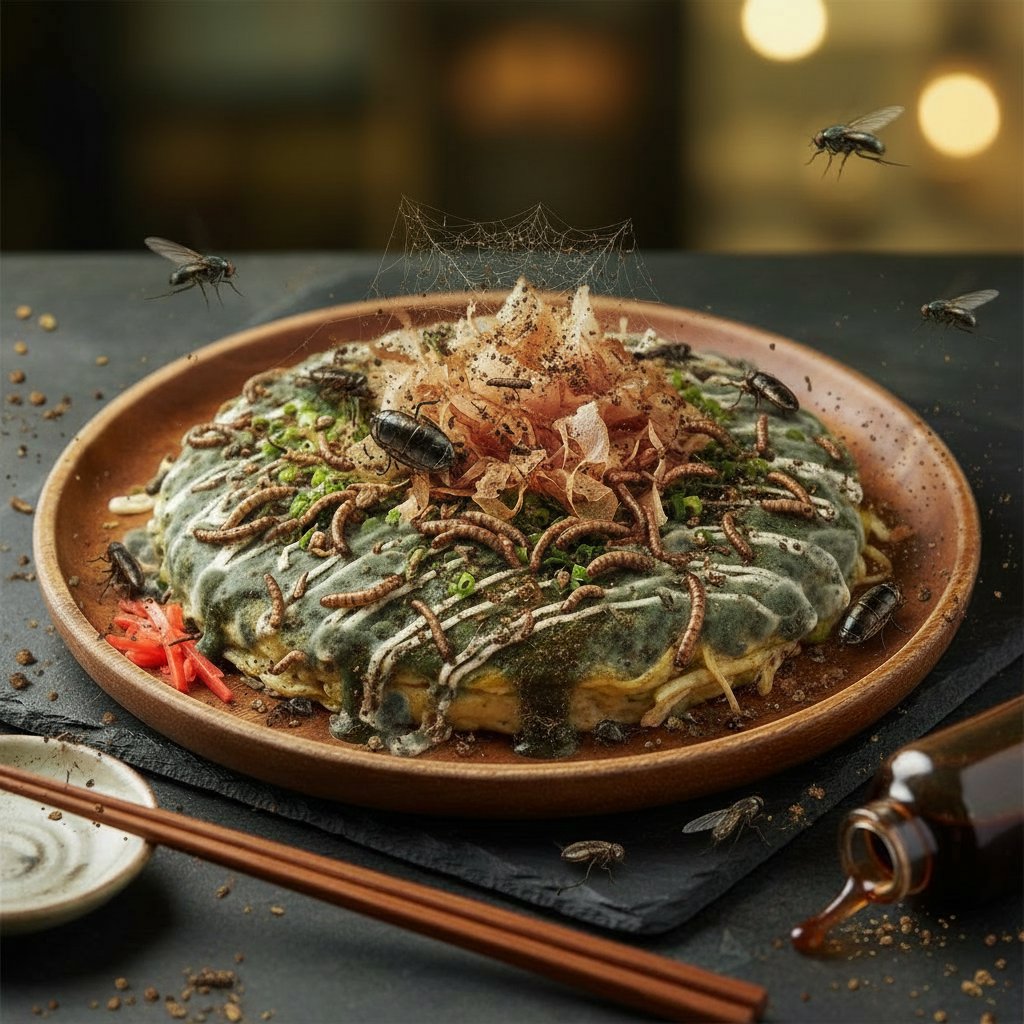
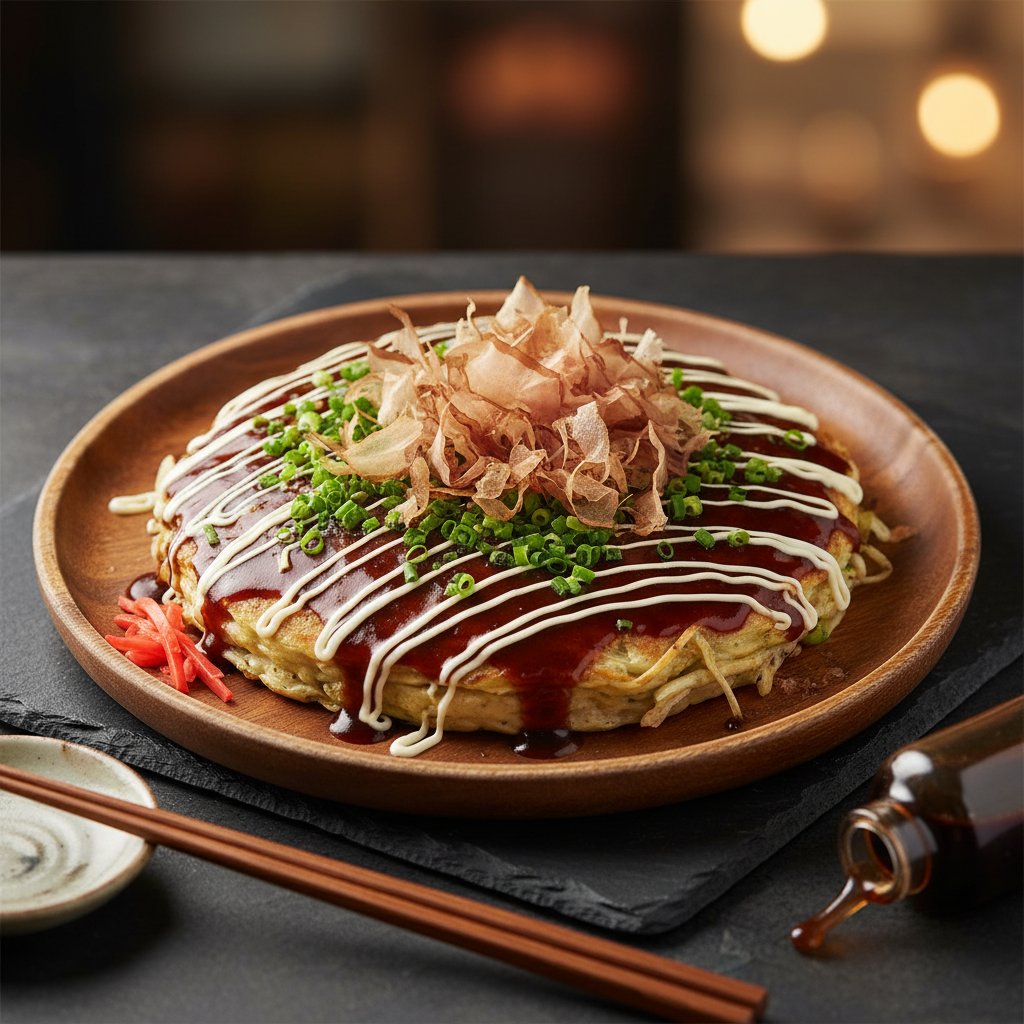
In the realm of Japanese cuisine, there is a pervasive myth that everything originating from the archipelago is inherently healthy. Nothing shatters this illusion quite as violently as Okonomiyaki. Often romanticized as 'Japanese Pizza' or a 'Savory Pancake,' this dish is, from a biochemical standpoint, a chaotic assembly of inflammatory triggers, refined carbohydrates, and exorbitant sodium levels. Let us strip away the cultural nostalgia and look at the data. The fundamental base of Okonomiyaki is a batter composed primarily of refined white wheat flour and water. This is not a complex carbohydrate source; it is a high-glycemic delivery system. Upon ingestion, the enzymatic breakdown of this flour results in a rapid spike in blood glucose levels, triggering a massive insulin response. To provide texture, recipes almost invariably include 'Tenkasu'—crunchy bits of deep-fried flour batter. Analytically speaking, Tenkasu is little more than oxidized flour sponges soaked in cheap vegetable oil. These scraps are high in Advanced Glycation End-products (AGEs) and peroxidized lipids, which are directly linked to cellular inflammation and oxidative stress within the vascular system. When you consume the base alone, you are already courting metabolic dysfunction. 📉
The protein component, typically celebrated as the 'heart' of the dish, is usually pork belly. While I am not opposed to animal fats in isolation, the context here is critical. Pork belly is one of the most calorically dense cuts available, composed roughly of 50% fat, much of which is saturated. When this meat is pan-fried on a teppan (iron griddle) alongside the carbohydrate-heavy batter, we witness the Maillard reaction turning into a carcinogenic hazard. As the pork fat renders and the batter burns, we see the formation of Acrylamide—a chemical compound formed when starchy foods are cooked at high temperatures. Furthermore, if the meat is processed or cured (as is common in cheaper establishments), the presence of nitrates converts to nitrosamines in the high heat, known potent carcinogens. The cooking method itself involves a significant amount of oil to prevent sticking, adding hundreds of empty calories to a dish that already teeters on the edge of 800 calories per serving before toppings are even applied. You are essentially ingesting a lipid-heavy sponge that slows gastric emptying while simultaneously spiking your blood sugar, a dual-threat that forces your body into fat-storage mode.
However, the true toxicity of Okonomiyaki lies in its finishing touches: the sauces. The brown 'Okonomi' sauce is a nutritional disaster. It is a viscous mixture of high-fructose corn syrup, sugar, salt, and thickeners. A standard liberal application adds approximately 4,000mg to 5,000mg of sodium to the meal—often double the recommended daily intake for an adult in a single sitting. This induces immediate fluid retention and places immense strain on renal function and arterial pressure. Combined with Japanese mayonnaise (Kewpie), which is richer in egg yolks and MSG than its Western counterparts, the caloric density skyrockets. This mayonnaise provides a substantial dose of Omega-6 fatty acids (linoleic acid) from soybean oil, further exacerbating the inflammatory cascade initiated by the Tenkasu. Then comes the Katsuobushi (bonito flakes). While often cited as a natural source of umami, smoked fish products can contain Polycyclic Aromatic Hydrocarbons (PAHs), another class of carcinogens resulting from the smoking process. ☠️
We must also address the 'Cabbage Fallacy.' Defenders of this dish often point to the shredded cabbage as a redeeming factor, claiming it provides fiber and vitamins. This is a statistical error of relativity. The volume of cabbage is nutritionally negligible compared to the caloric load of the flour, pork fat, and sauces. Whatever heat-sensitive vitamins (like Vitamin C) existed in the cabbage are largely destroyed during the prolonged grilling process. By the time the meal is consumed, you are left with a dish that can easily surpass 1,200 calories, 60g of fat, and a sodium load that would dehydrate a marathon runner. It is a 'comfort food' only in the sense that it induces a post-prandial somnolence—a 'food coma' caused by blood flow diverting to the digestive tract to manage the toxic load. For the health-conscious individual, Okonomiyaki represents a perfect storm of metabolic syndrome risks: insulin resistance, hypertension, and systemic inflammation wrapped in a savory disguise. Avoid.
📌 Truth Summary
- Sodium Overload: A single serving often exceeds 200% of the recommended daily sodium intake due to the sauce and batter, causing acute hypertension risks.
- Carcinogenic Compounds: High-heat frying of starch and cured meats generates Acrylamides and Nitrosamines, increasing long-term cancer risks.
- Glycemic Instability: The refined flour base combined with sugary sauces creates severe blood glucose spikes followed by reactive hypoglycemia.
- Inflammatory Fats: The combination of pork belly saturated fat and oxidized soybean oil (Tenkasu/Mayo) promotes systemic vascular inflammation.