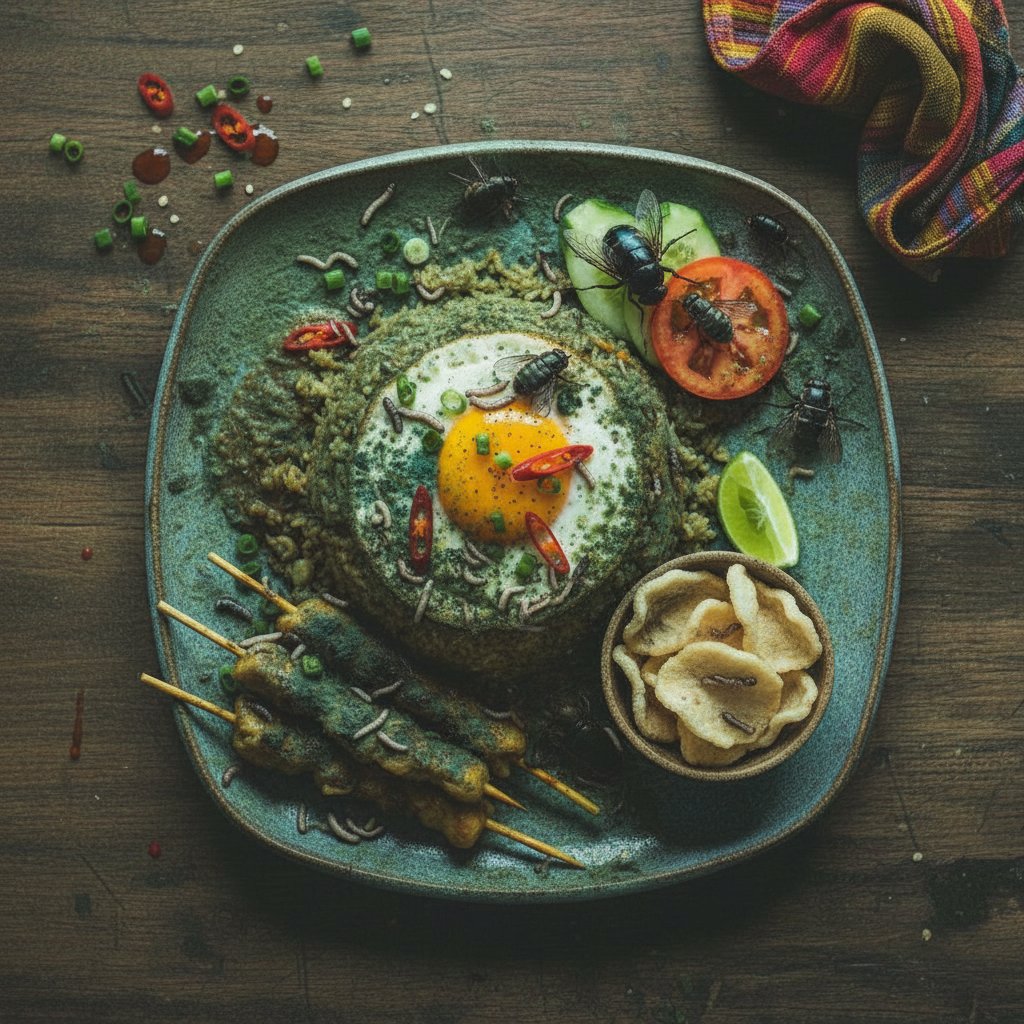
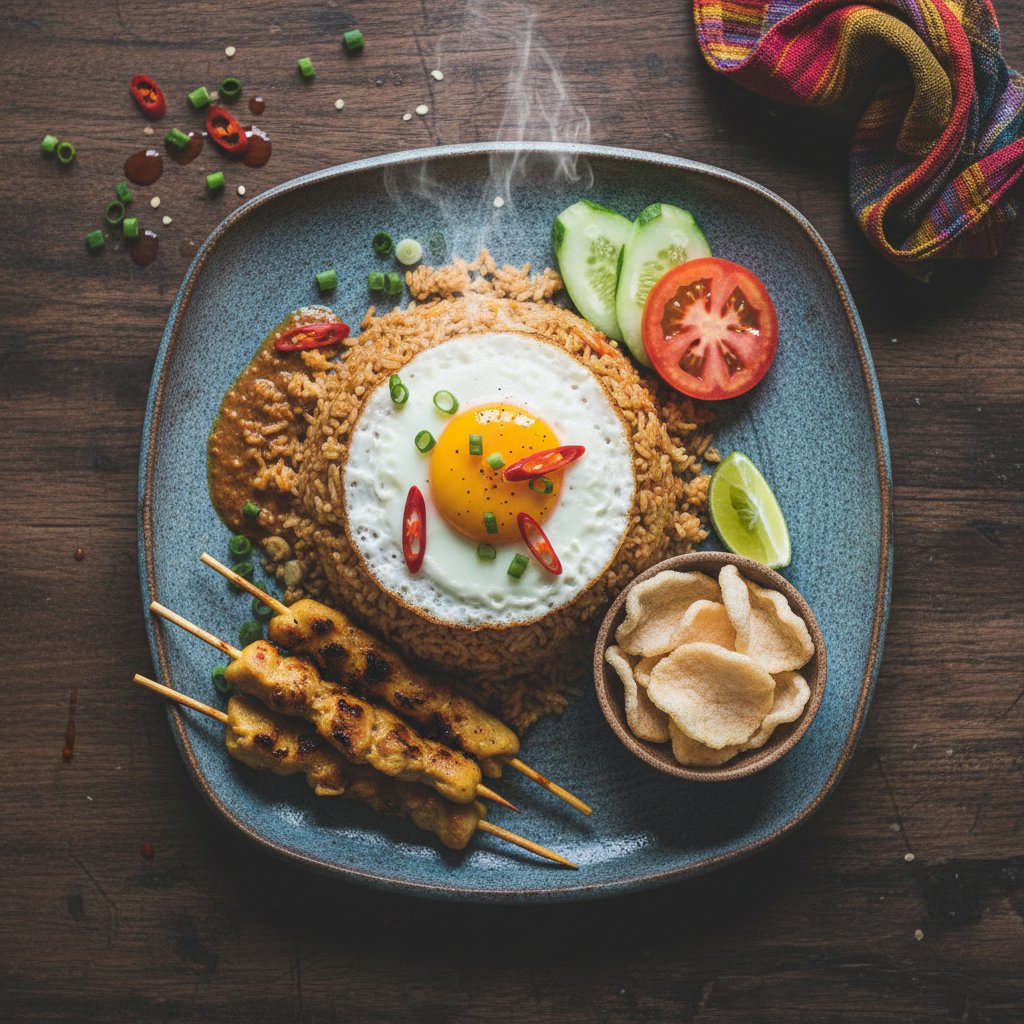
Let’s dispense with the romanticized notion of 'comfort food' and dissect the molecular reality of Nasi Goreng. To the uneducated palate, it is a savory delight; to the analytical mind, it is a calculated assault on metabolic homeostasis. Nasi Goreng serves as a textbook example of the 'bliss point' engineering that food manufacturers use to override satiety signals, but in a traditional format. The foundation of this dish is polished white rice—a high-glycemic substrate (GI score typically ranging from 72 to 83) that has been stripped of its germ and bran, effectively removing its fiber and micronutrient profile. When you consume this, you are essentially injecting pure glucose into your bloodstream. However, Nasi Goreng compounds this error by introducing Kecap Manis, an Indonesian sweet soy sauce. This condiment is not merely savory; it is viscous palm sugar syrup loaded with sodium. By coating simple carbohydrates (rice) in simple sugars (syrup), the dish creates a 'double-peak' insulin response. A standard restaurant serving can easily contain 80 to 100 grams of net carbohydrates. For the sedentary modern worker, this is not fuel; it is immediate adipose tissue deposition. You are spiking your blood glucose to dangerous levels, forcing your pancreas to flood your system with insulin, eventually leading to the cellular numbness known as insulin resistance. It is a metabolic catastrophe served on a banana leaf. 📉
If the glycemic load wasn't sufficiently damning, let us analyze the lipid profile. Nasi Goreng is defined by its cooking method: frying. This process transforms a benign grain into a caloric bomb. The rice increases its caloric density by approximately 30% to 50% purely through oil absorption. We must also scrutinize the type of oil utilized. In most commercial and street-food settings, cost-efficiency dictates the use of highly refined palm oil or soybean oil, often reused multiple times. When these oils are subjected to the high heat required for 'wok hei' (the smoky flavor consumers crave), they undergo oxidation, generating lipid peroxides and aldehydes. These are free radicals that inflict oxidative stress on your cellular membranes. Furthermore, the typical serving of Nasi Goreng contains between 20 to 35 grams of fat, much of which is saturated if palm oil is the medium. This isn't the satiating fat of an avocado; it is inflammatory grease. We also cannot ignore the accompaniment of Kerupuk (deep-fried crackers). These are essentially starch sponges that hold no nutritional value other than serving as a vehicle for more oxidized oil and sodium. Consuming this dish is effectively inviting systemic inflammation into your vascular system.
Now, we arrive at the silent killer: Sodium. The sodium content in a single plate of Nasi Goreng is frankly negligent. Between the soy sauce, the salt, the shrimp paste (Terasi), and the MSG often added for umami depth, a single serving frequently exceeds 2,500mg of sodium. That is 108% of the recommended daily maximum intaken in a single sitting. This massive influx of electrolytes disturbs the osmotic balance of your blood, forcing water retention to dilute the salinity, thereby increasing blood volume and placing significant hydraulic strain on arterial walls. This is a direct vector for hypertension. Moreover, the 'proteins' added to this dish are rarely high-quality cuts. They are often processed meats—sausages or meatballs—which are preserved with nitrates and nitrites. The World Health Organization classifies processed meats as Group 1 carcinogens. When you combine the nitrates from the cheap sausage with the amines in the protein and the high heat of the wok, you facilitate the formation of nitrosamines, potent cancer-causing compounds. You are not just eating 'salty rice'; you are stressing your renal function and consuming carcinogenic precursors. 🧂
Finally, we must address the chemical changes that occur during the high-heat searing process involved in making authentic Nasi Goreng. The browning of the rice, while tastily attributed to the Maillard reaction, also risks the formation of Acrylamide. Acrylamide is a chemical that forms in starchy food products during high-temperature cooking (above 120°C). While the levels vary, the darker the rice is fried, the higher the concentration. Additionally, the combustion of oils and organic matter at such high temperatures produces Polycyclic Aromatic Hydrocarbons (PAHs). While fans of the dish laud the smoky aroma, that smoke is particulate matter that has settled onto your food. From a caloric standpoint, a 'special' Nasi Goreng with a fried egg and crackers can easily surpass 1,000 calories—over half the daily requirement for an average female—with virtually zero micronutrient density to justify the load. It is an empty, inflammatory, hypertensive meal that offers nothing but transient sensory pleasure followed by hours of physiological cleanup. Eat it if you must, but do not mistake it for sustenance. It is merely recreational biological sabotage.
📌 Truth Summary
- Glycemic Toxicity: Refined white rice coated in sugar syrup (Kecap Manis) creates a drastic insulin spike, promoting fat storage and insulin resistance.
- Sodium Overload: A single serving often exceeds 2,500mg (108% DV) of sodium, causing immediate vascular strain and long-term hypertension risk.
- Lipid Peroxidation: High-heat frying with cheap, reused oils generates free radicals and inflammatory aldehydes that damage cellular health.
- Carcinogenic Precursors: The inclusion of nitrate-rich processed meats and the formation of Acrylamide from over-fried starch poses legitimate long-term cancer risks.