
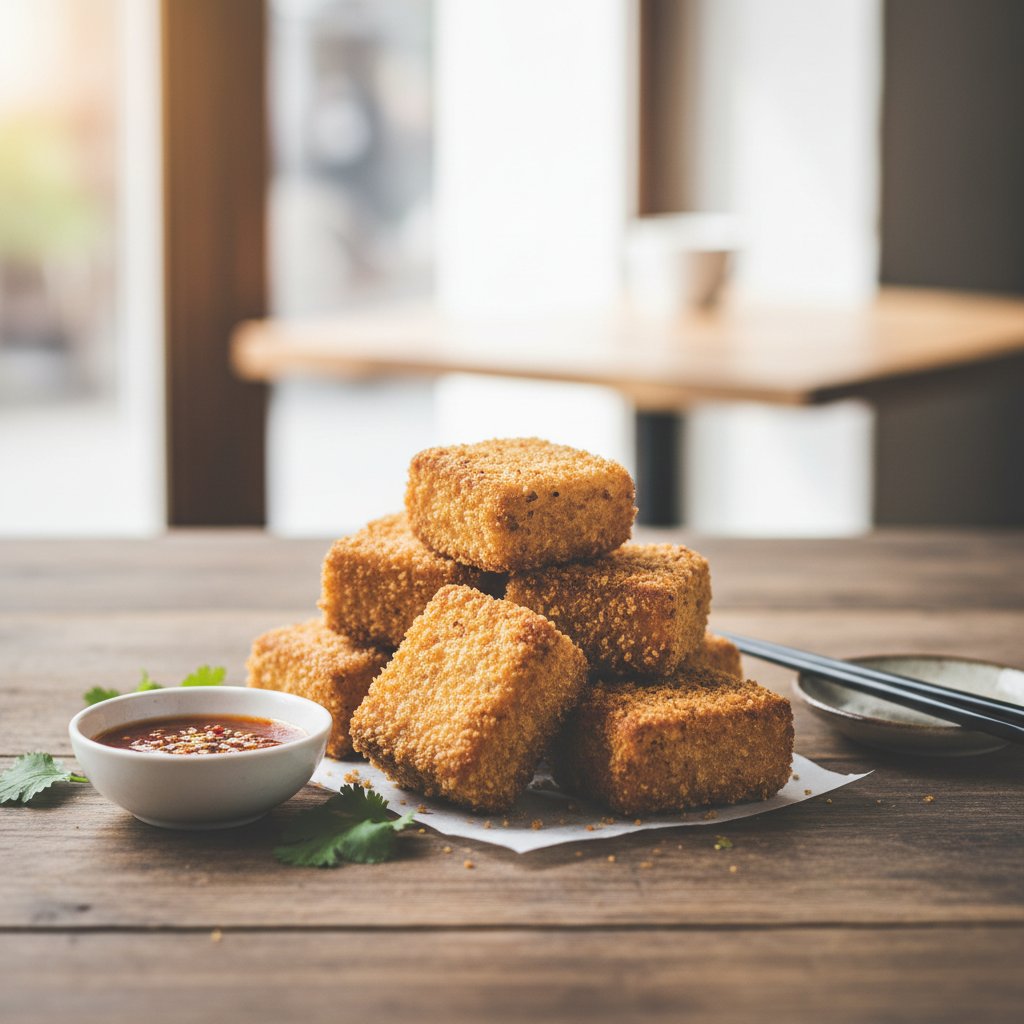
If you were to engineer a food product specifically designed to maximize caloric density while simultaneously spiking insulin and introducing carcinogenic compounds into the bloodstream, you would likely invent Menbosha. This trendy dish, essentially minced shrimp sandwiched between white bread and deep-fried, is often lauded for its texture, but let us look at the physics of what you are actually consuming. The structural integrity of white bread makes it a culinary sponge; it is composed of refined wheat flour, water, and yeast, creating an open-cell porous network. When this matrix is submerged in oil at 180°C (350°F), the water evaporates rapidly, leaving behind a vacuum that is instantly filled by the frying medium. You are not eating bread; you are eating a delivery vehicle for oxidized lipids. Analytical studies on deep-fried bread products indicate that the oil uptake can exceed 40% of the total product weight. Consequently, a single piece of Menbosha can carry anywhere from 150 to 200 calories, the vast majority derived from fat. A standard serving of four pieces creates an intake of nearly 800 calories—equivalent to a substantial meal—yet it provides almost no satiety due to the lack of fiber and the rapidity of digestion. This is gastronomic deception at its finest, tricking the palate while wreaking havoc on your lipid profile.
Beyond the sheer caloric density, we must address the biochemistry of the bread itself under high heat. Menbosha relies on white bread, a high-glycemic refined carbohydrate with the fiber stripped away. When this starch is subjected to temperatures above 120°C, particularly in the presence of reducing sugars and amino acids, it undergoes the Maillard reaction. While this creates the golden color and flavor, it also produces acrylamide, a Group 2A probable human carcinogen. The International Agency for Research on Cancer (IARC) has flagged acrylamide for its genotoxic and carcinogenic properties. Because Menbosha requires a longer frying time to cook the raw shrimp paste inside without burning the bread, the exterior is often subjected to prolonged thermal stress, significantly elevating acrylamide formation compared to a quick-fried doughnut. Furthermore, the combination of high-glycemic carbohydrates and saturated fats creates a 'super-stimulus' that bypasses the body's natural appetite regulation mechanisms. The rapid spike in blood glucose from the refined flour elicits a massive insulin response, promoting immediate fat storage, while the triglycerides from the oil remain in the bloodstream, contributing to postprandial lipemia. 📉
Let us dissect the filling. The 'shrimp' component in commercial or restaurant-grade Menbosha is rarely pure, high-quality protein. It is frequently a masticated paste bound together with starch, egg whites, and lard to improve mouthfeel and reduce costs. This processing destroys the natural texture of the prawn and introduces unnecessary sodium and saturated fats. Moreover, the frying oil used in commercial settings is a significant vector for cellular damage. As oil is reused—a standard practice in the food service industry to maintain margins—it undergoes thermal oxidation, hydrolysis, and polymerization. This degradation produces polar compounds, free radicals, and toxic aldehydes, which are absorbed directly into the Menbosha sponge. Consumption of these oxidized fats is linked to increased oxidative stress, inflammation, and endothelial dysfunction in the arteries. You are essentially consuming a matrix of free radicals that actively assault your cell membranes. The addition of dipping sauces, usually laden with high-fructose corn syrup or mayonnaise, only compounds the inflammatory load, adding unnecessary sugar to a dish already overflowing with metabolic stressors.
In conclusion, Menbosha represents the perfect storm of nutritional negligence. It combines the worst aspects of modern food processing: refined carbohydrates, oxidized industrial seed oils, and the formation of heat-induced toxins. From a physiological perspective, eating this is an act of self-sabotage. The transient sensory pleasure of the 'crispy' texture is simply the sensation of stiffened, deep-fried starch structure shattering in the mouth—a sensation that costs your body significant energy to detoxify. There is no 'healthy' way to consume this. Even air-frying only mitigates the oil absorption slightly but does not eliminate the formation of acrylamide or the insulin-spiking nature of the refined flour. If you value your metabolic flexibility and cellular integrity, view Menbosha not as a treat, but as a biohazard. 🚫
📌 Truth Summary
- Hyper-Absorption of Lipids: The porous structure of white bread absorbs oil like a sponge, resulting in a product that can be composed of over 40% fat by weight, leading to massive caloric surplus.
- Acrylamide Formation: Deep-frying starchy refined flour at high temperatures generates significant levels of acrylamide, a Class 2A carcinogen linked to DNA damage.
- Oxidative Stress: Commercial frying oils degrade into toxic aldehydes and free radicals, which are absorbed by the bread and contribute to systemic inflammation and cellular aging.
- Metabolic Derangement: The combination of high-glycemic refined carbs and fats triggers a supra-physiological insulin spike, promoting immediate fat storage and insulin resistance.