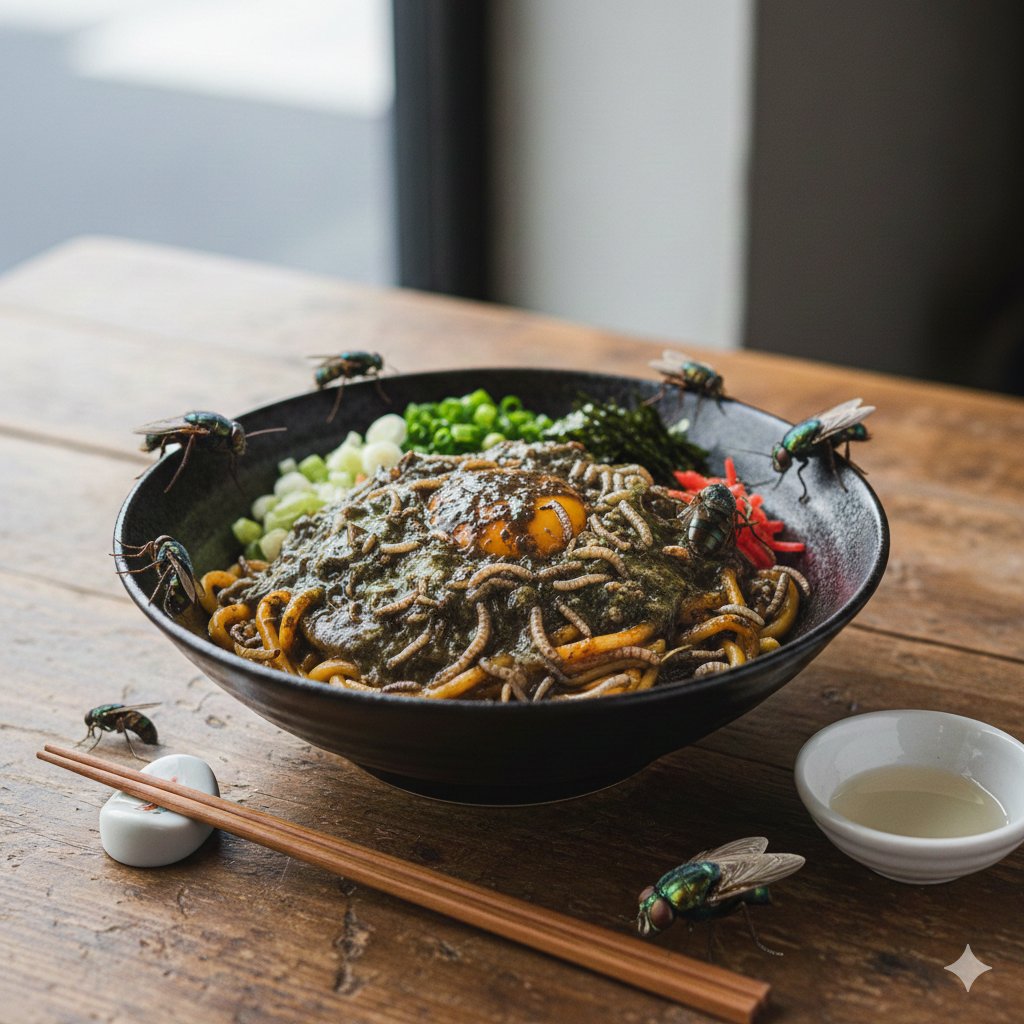
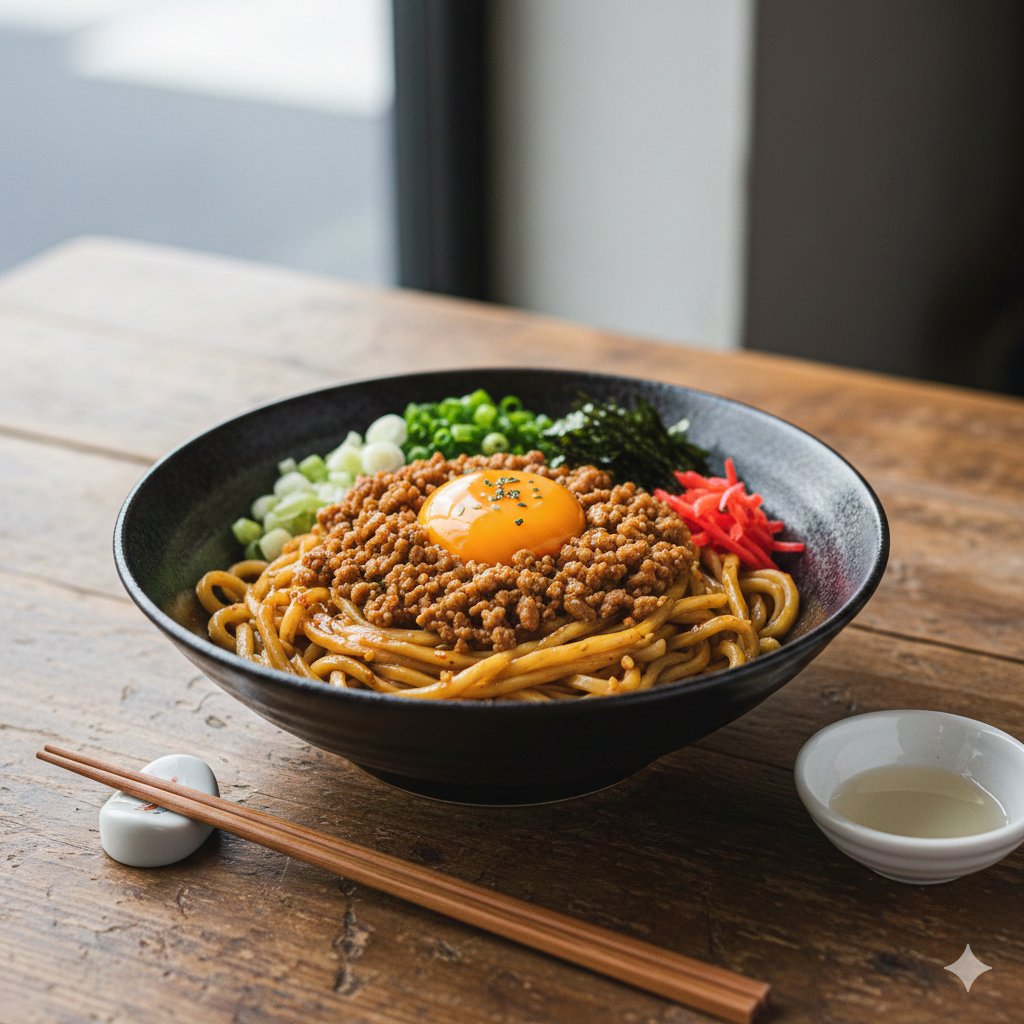
In the realm of viral gastronomy, few dishes have managed to deceive the public quite like Mazesoba. Often heralded as a trendy, 'soupless' masterpiece of Japanese culinary engineering, it is, in reality, a physiological assault on the human body. As a health analyst who views food through the lens of biochemistry rather than flavor profiles, I find the adoration for this dish deeply disturbing. Let us strip away the Instagram filters and look at the cold, hard numbers. A standard bowl of Mazesoba represents a caloric surplus that the average sedentary adult cannot justify, often exceeding 1,100 calories per serving before one even considers the side dishes. This is not nutrition; it is a recreational dopamine hit disguised as a meal. The foundation of this dish is a massive serving of thick, refined wheat noodles. Unlike complex carbohydrates that offer sustained energy, these noodles are stripped of bran and germ, leaving behind pure endosperm—starch that converts to glucose with terrifying speed. When you consume a standard 250g serving of these noodles, you are ingesting a glycemic load capable of spiking blood sugar levels well past 140 mg/dL within the hour. The pancreas is forced to flood the bloodstream with insulin to manage this glucose toxicity, promoting immediate lipogenesis (fat storage). To add insult to injury, the cultural ritual of 'Oimeshi'—adding a scoop of white rice to the leftover sauce—is a metabolic disaster. You are essentially chasing a refined carbohydrate spike with a secondary refined carbohydrate chaser, guaranteeing a crash in energy levels and a state of lethargy known scientifically as postprandial somnolence. 📉
If the carbohydrates are the kindling, the sodium content is the arsonist. Mazesoba is chemically engineered to override your satiety signals through an excessive concentration of sodium and glutamate. The 'tare' (sauce) combined with the marinated minced meat and the liberal dusting of 'gyofun' (dried fish powder) creates a hypertonic environment in your gut. Analytical breakdowns of popular Mazesoba chains reveal sodium levels frequently exceeding 3,200mg per bowl. To put this in perspective, the American Heart Association recommends an absolute limit of 2,300mg per day, with an ideal limit of 1,500mg for most adults. Consuming this dish single-handedly provides nearly two days' worth of sodium in one sitting. This influx of salt forces the body to retain water to dilute the toxicity in the bloodstream, increasing blood volume and placing immense mechanical stress on arterial walls. This is a direct precursor to hypertension and renal strain. Furthermore, the fish powder is often not just dried fish; in commercial settings, it is frequently laced with additional monosodium glutamate (MSG) and disodium inosinate to create an artificial 'umami' punch. While regulators claim these are safe in moderation, the quantities present here are far from moderate. They are designed to hyper-stimulate neuroreceptors, making the food addictive while masking the poor quality of the base ingredients.
We must also address the lipid profile of this dish, which is a masterclass in inflammatory fats. The central component, the spicy minced pork (soboro), is typically derived from the cheapest cuts of meat with a fat content often exceeding 30%. This fat is rendered down, concentrating saturated fatty acids which, in excess, are linked to elevated LDL cholesterol and increased visceral adiposity. But the danger doesn't stop at animal fats. The dish is heavily doused in oils—specifically chili oil (Rayu) and often a flavored lard or vegetable oil blend to prevent the noodles from sticking. The vegetable oils used in these commercial chili oils are often high in Omega-6 fatty acids (linoleic acid), which are pro-inflammatory when not balanced by Omega-3s. Even worse, the high-heat processing and long shelf life of these oils expose them to oxidation, creating free radicals that damage cellular structures. And let us not forget the raw egg yolk perched atop this nutritional wreckage. While eggs can be healthy, in this context, the yolk serves only to add another 200mg of cholesterol and emulsify the excessive fats into a creamy, calorie-dense sludge. 🚫 The combination of high saturated fat, oxidized seed oils, and a massive carbohydrate load creates the perfect storm for endothelial dysfunction—the stiffening of blood vessels that precedes cardiovascular disease.
Finally, there is the issue of the 'fresh' ingredients, which are little more than a garnish. The chives, scallions, and minced garlic provide a visual illusion of health, a splash of green to distract from the beige reality of the macronutrients. However, the volume of these vegetables is negligible, offering less than 2g of dietary fiber—completely insufficient to blunt the glucose spike from the noodles. Moreover, the raw garlic and generous amounts of raw alliums can cause significant gastrointestinal distress and bloating for those with sensitive digestion, exacerbating the water retention caused by the sodium. When you analyze Mazesoba, you are not looking at a balanced meal. You are looking at a bowl of refined starch, inflammatory fats, and chemical flavor enhancers designed to exploit your biology. It lacks essential micronutrients, it stresses the kidneys, it spikes insulin, and it promotes systemic inflammation. To consume this is to voluntarily subject your body to a metabolic stress test that it did not ask for. Eat it if you must, but do not delude yourself into thinking it is anything other than a health hazard.
📌 Truth Summary
- Sodium Toxicity: A single bowl contains upwards of 3,200mg of sodium, exceeding the daily safe limit by over 140%, causing immediate vascular stress and water retention.
- Glycemic Disaster: The combination of refined wheat noodles and the 'Oimeshi' rice ritual creates a massive insulin spike, promoting rapid fat storage and reactive hypoglycemia.
- Inflammatory Lipid Profile: High concentrations of saturated animal fats mixed with oxidized Omega-6 rich vegetable oils promote systemic inflammation and endothelial dysfunction.
- Nutrient Void: Despite the green garnishes, the meal is devoid of significant fiber or micronutrients, acting essentially as empty, high-density calories.