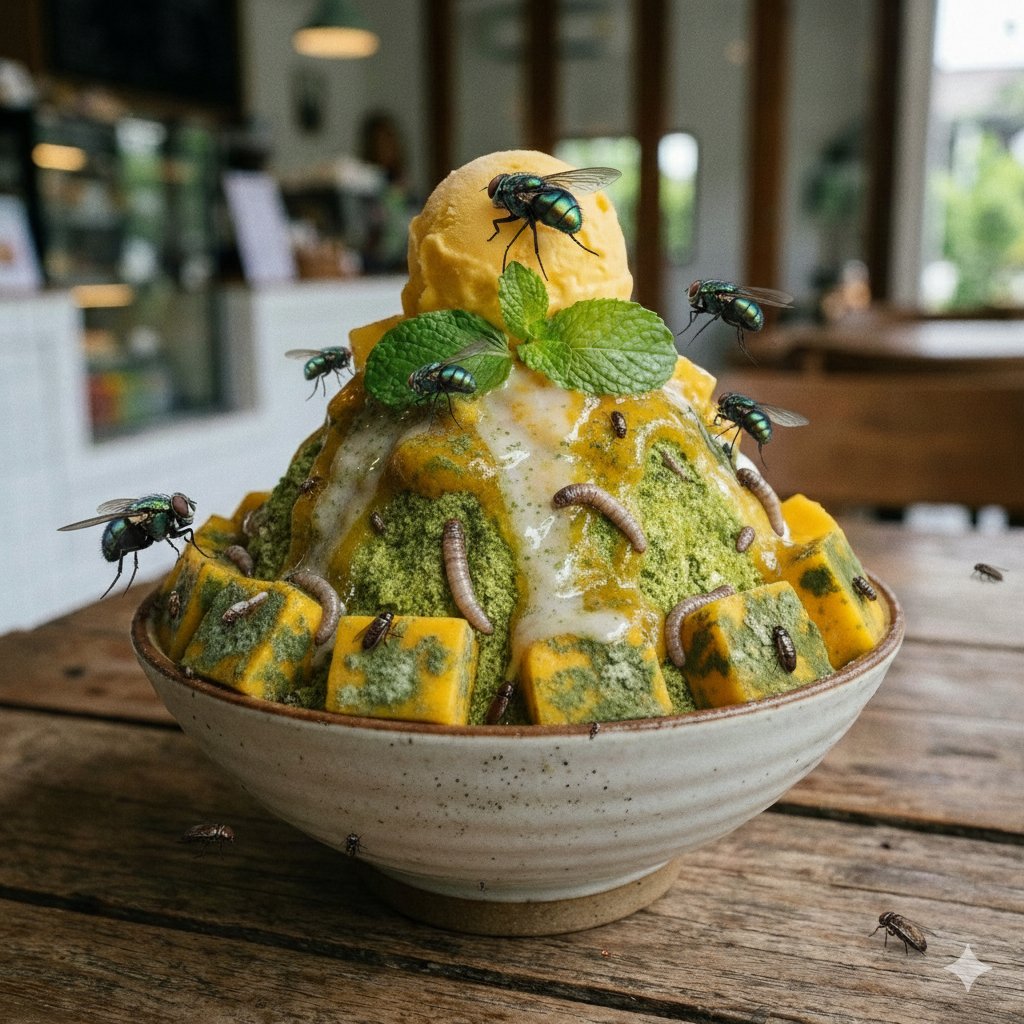
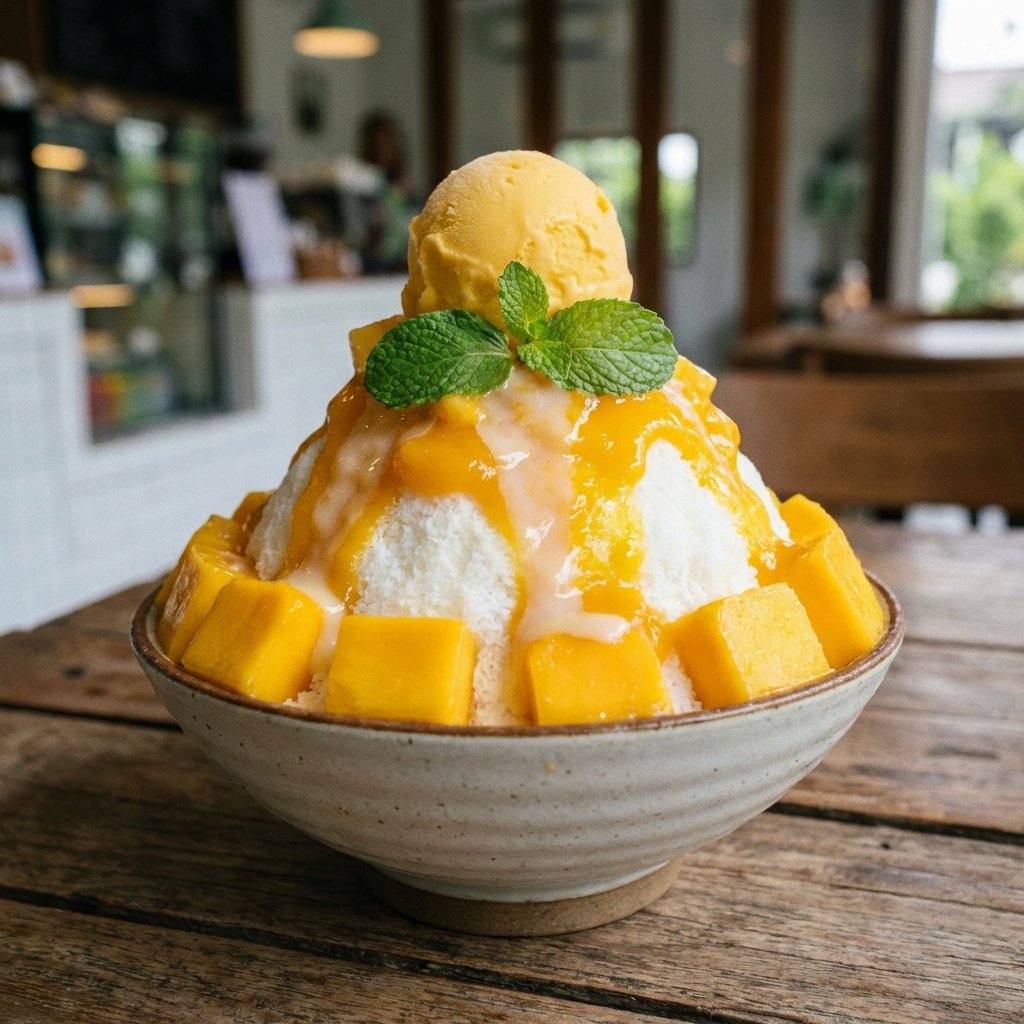
Social media feeds are currently inundated with the vibrant yellow hues of Mango Bingsu, touted as the quintessential summer luxury. From five-star hotels to corner cafes, this towering heap of shaved ice is presented as a refreshing, fruit-centric treat. Do not be deceived by the 'fruit' label. As an analyst of nutritional impact, I see this not as a dessert, but as a systematic assault on your endocrine system. Let’s dismantle the aesthetics and look at the data. A standard serving of premium Mango Bingsu, particularly those laden with cheesecake cubes and ice cream scoops, frequently exceeds 1,200 to 1,500 calories. To put that into perspective, you are consuming nearly 75% of a standard adult’s daily caloric requirement in a single sitting, with zero micronutrient density to justify the load. This is not merely 'indulgent'; it is metabolically negligent. The base is rarely just water; it is 'snow' ice made from milk, heavy cream, and sweetened condensed milk. This creates a hyper-palatable matrix of saturated fats and refined sugars designed to bypass your body's satiety signals (leptin), encouraging you to consume the entire bowl before your brain registers the toxic overload. 📉
The sugar content in these bowls is frankly terrifying from a clinical standpoint. While proponents argue that mango is a natural source of fructose, the mangoes utilized in commercial bingsu are almost invariably macerated in high-fructose corn syrup or simple syrup to enhance sweetness and shine. When you combine the glucose from the condensed milk, the sucrose from the added ice cream, and the fructose from the syrup-soaked fruit, you are looking at a total sugar load often exceeding 120 to 150 grams. This is four to five times the American Heart Association’s recommended daily limit for added sugar. Upon ingestion, this massive bolus of simple carbohydrates absorbs rapidly, causing an immediate, violent spike in blood glucose. Your pancreas responds by flooding your system with insulin to shuttle this energy into cells. However, because the load is too high for immediate energy expenditure, the liver is forced into De Novo Lipogenesis—converting this excess sugar directly into visceral fat. This is the exact mechanism that accelerates Non-Alcoholic Fatty Liver Disease (NAFLD). You aren't just eating dessert; you are stressing your liver to the point of exhaustion.
Let us address the lipid profile. The creaminess that consumers prize is derived from a perilous amount of saturated fat. If your bingsu includes the popular addition of cheesecake cubes or a scoop of vanilla ice cream, the saturated fat content can easily surpass 40 grams—double the daily recommended limit. This is not healthy fat like you might find in an avocado; this is palmitic acid derived from processed dairy and often hydrogenated vegetable oils found in cheaper non-dairy creamers used in the ice base. High intake of these specific fatty acids is directly linked to increased LDL cholesterol and systemic inflammation. Furthermore, the additives required to keep the mango syrup shelf-stable and the ice cream smooth often include emulsifiers like polysorbate 80 and preservatives such as sodium benzoate. These compounds have been shown in various studies to disrupt the gut microbiome, potentially leading to increased intestinal permeability or 'leaky gut.' You are introducing a chemical cocktail into a digestive system that is already struggling to thermally regulate against the intake of near-freezing matter.
Finally, we must discuss the phenomenon of 'Advanced Glycation End Products' (AGEs) and the thermal shock to digestion. While the bingsu itself is cold, the metabolic aftermath is inflammatory. The intense sugar rush triggers glycation, a process where sugar molecules bond to proteins and lipids—specifically collagen and elastin in your skin—causing them to become stiff and malformed. In essence, this 'refreshing' summer treat accelerates the aging process of your skin from the inside out. Additionally, consuming a large volume of ice at 0°C (32°F) forces your stomach to expend energy to heat the contents to body temperature before enzymatic digestion can occur efficiently. This stalls gastric emptying and can dilute gastric juices, leading to bloating, indigestion, and poor nutrient absorption of any actual food you might have eaten previously. The 'fresh' mango is merely a garnish on a bowl of physiological stress. ❄️ The momentary pleasure of the cold sweetness is biologically expensive, paid for with insulin resistance, inflammation, and cellular aging.
📌 Truth Summary
- Glycemic Catastrophe: A single bowl contains upwards of 150g of sugar, triggering aggressive insulin spikes and promoting immediate lipogenesis (fat storage).
- The Saturated Fat Trap: Hidden fats in the milk-ice base and cheesecake toppings push saturated fat intake over 200% of the daily limit, raising LDL cholesterol.
- Chemical Preservatives: The 'fresh' aesthetic masks the use of syrups containing sodium benzoate and artificial colorings detrimental to gut health.
- Accelerated Aging: The massive sugar load promotes Glycation, permanently damaging skin collagen and accelerating cellular aging.