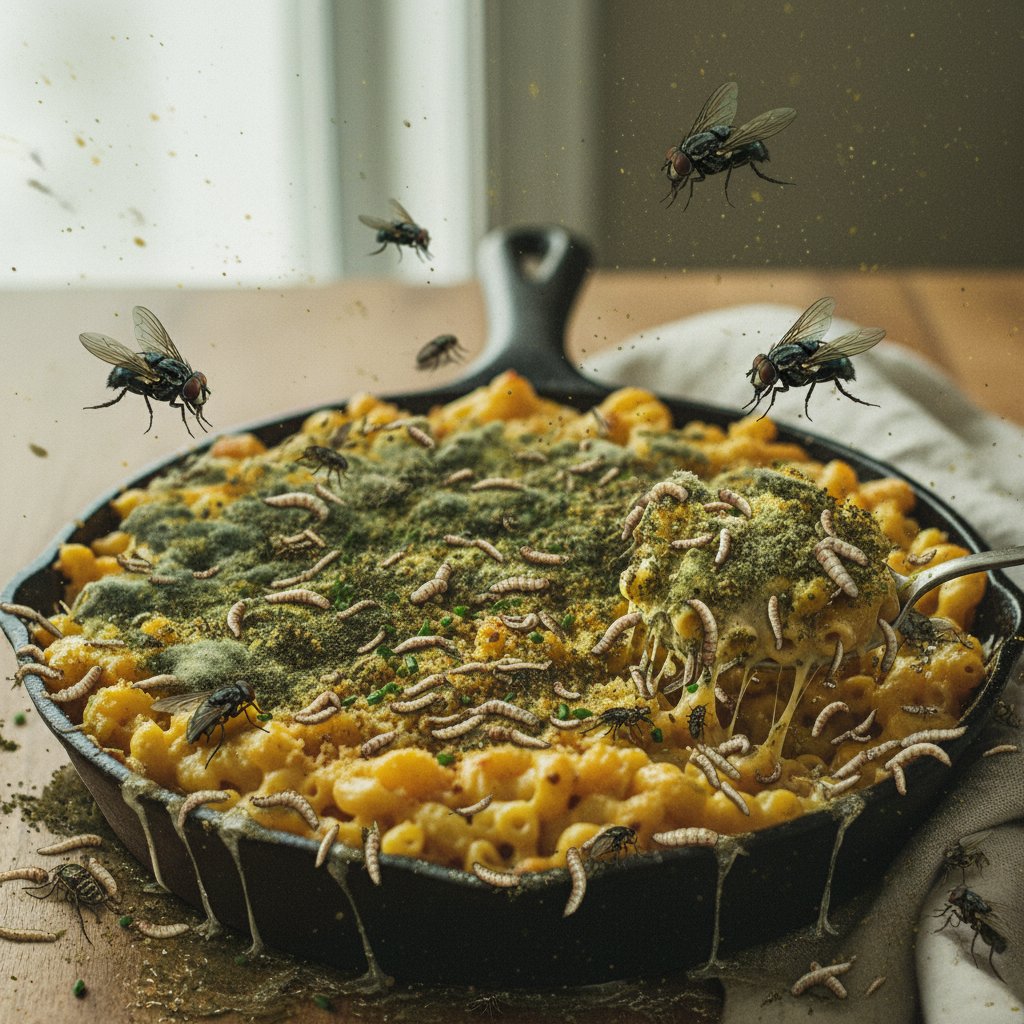
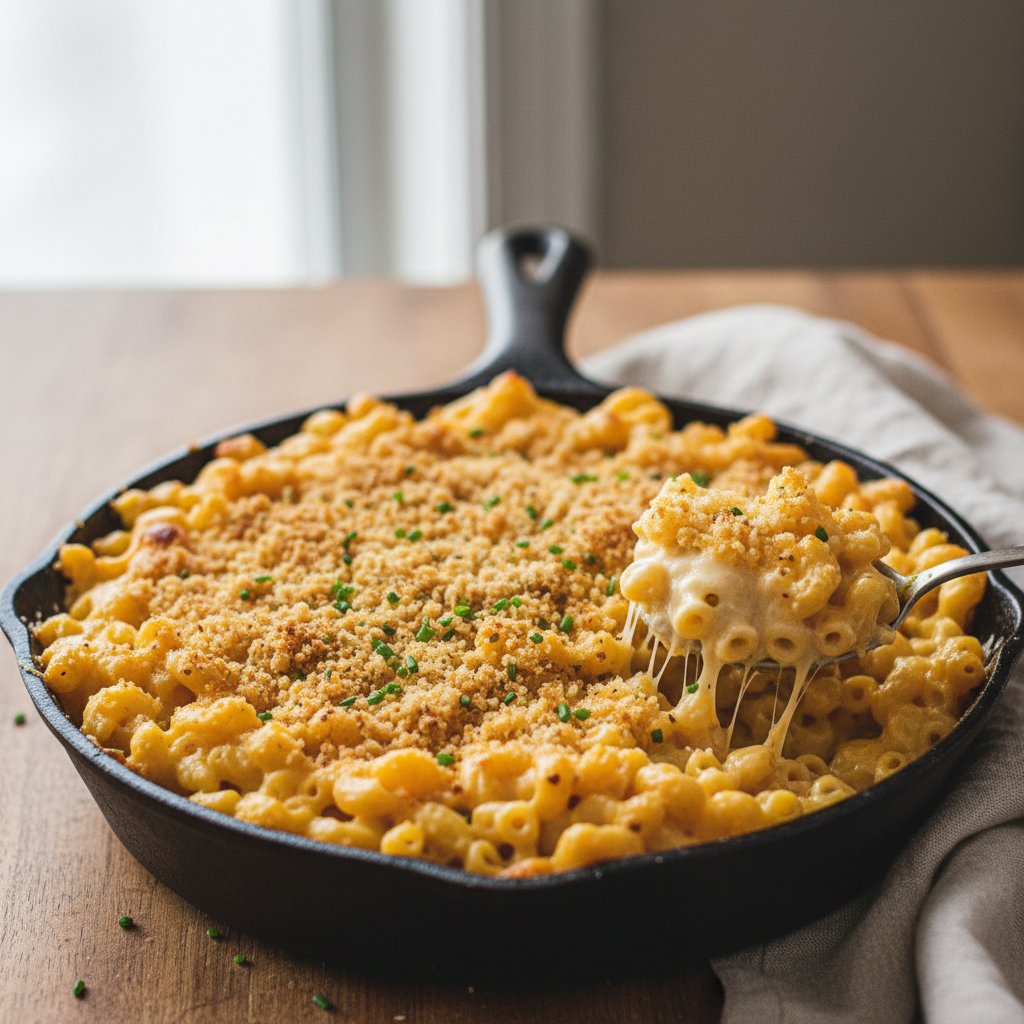
Let’s dispense with the nostalgia immediately. The cultural attachment to Macaroni and Cheese is a triumph of marketing over biology, a collective delusion that equates a bowl of chemically engineered paste with 'comfort.' When you strip away the sentimentality and look at the molecular composition of this dish—particularly the boxed varieties found in millions of pantries—you are left with a nutritional biohazard. We are not talking about food; we are talking about an industrial delivery system for refined carbohydrates, oxidized lipids, and sodium levels that border on toxicity. A standard box of commercial mac and cheese yields approximately 1,000 to 1,200 calories. However, the caloric density is the least of your concerns. The primary offender is the pasta itself. It is invariably white flour pasta, stripped of the germ and bran, leaving behind pure endosperm. In the digestive tract, this refined semolina undergoes rapid hydrolysis, converting to glucose almost instantaneously. The resulting glycemic load is catastrophic. Your blood sugar spikes violently, forcing the pancreas to flood the system with insulin. This anabolic state halts fat burning and promotes lipogenesis—the storage of visceral fat. You aren't eating dinner; you are practically injecting glucose directly into your bloodstream while simultaneously shutting down your metabolic flexibility.
Then we arrive at the 'cheese' component, a term I use loosely. In many popular brands, actual cheese is a minor player, dwarfed by whey protein concentrate, milk protein concentrate, and sodium tripolyphosphate. Let’s analyze the lipid profile. To prepare this dish according to package directions usually requires the addition of butter and milk, pushing the saturated fat content to over 50% of your daily limit in a single sitting. This specific combination of refined carbohydrates and saturated fats creates a 'supra-additive' effect in the brain's reward center, bypassing satiety signals like leptin. You physically cannot stop eating it because the formulation is engineered to hack your dopamine receptors. Furthermore, the sodium content is egregious. A single serving often claims to contain 500-600mg of sodium, but let’s be brutally honest: nobody eats just one serving. Consuming half a box—a standard portion for most adults—delivers nearly 1,500mg of sodium, largely derived from sodium phosphate additives. Unlike natural salt, inorganic phosphates are absorbed at nearly 100% efficiency, causing direct vascular damage and accelerating kidney function decline. You are essentially salting your internal organs to the point of dehydration and hypertension. ⚠️
If the macronutrient profile wasn't alarming enough, let us discuss the contaminants introduced during manufacturing. A significant body of research, including studies highlighting data from the Coalition for Safer Food Processing, has identified high concentrations of phthalates in powdered cheese products. Phthalates are industrial chemicals used to make plastics more flexible—specifically, they are plasticizers. They migrate into the food processing chain through vinyl tubing and conveyor belts used in dairy processing factories. These are potent endocrine disruptors. They mimic hormones in the body, interfering with testosterone production and reproductive health. When you consume that neon-orange powder, you are ingesting DEHP (di(2-ethylhexyl) phthalate), a known reproductive toxicant. The vivid yellow-orange color itself is rarely natural; it is frequently derived from Tartrazine (Yellow 5) or Sunset Yellow (Yellow 6). These azo dyes are petroleum byproducts linked to hypersensitivity reactions and, in animal studies, potential genotoxicity. You are consuming a mixture of petroleum-derived dyes and plasticizers, masquerading as a dairy product. It is a chemical slurry that has no place in human biology.
Ultimately, Mac and Cheese represents the apex of the 'Ultra-Processed Food' (UPF) pyramid. It is devoid of fiber, micronutrients, and enzymes, yet dense in energy and synthetic additives. The lack of fiber means the transit time in your gut is sluggish, allowing the refined starches to ferment and feed pathogenic bacteria in the microbiome, leading to dysbiosis. The 'Bliss Point' engineering ensures that despite the high calorie count, the food is essentially 'pre-chewed' and vanishes in the mouth, leading to passive overconsumption. From a thermogenic standpoint, your body burns almost zero calories digesting this sludge because the industrial processing has already done the work for you. Every bite is a net loss for your health span. If you value your vascular integrity, your insulin sensitivity, and your hormonal balance, you will view this dish not as a treat, but as a metabolic insult. 🧪
📌 Truth Summary
- Phthalate Contamination: Powdered cheese mixes frequently contain high levels of DEHP, an industrial plasticizer and endocrine disruptor found in processing tubing.
- Sodium Toxicity: A realistic portion contains over 1,500mg of sodium, primarily from inorganic phosphates that damage vascular walls and kidney tissue.
- Glycemic Assault: The combination of zero-fiber refined flour and whey powder creates an immediate insulin spike, promoting visceral fat storage and metabolic inflexibility.
- Artificial Additives: The signature color often comes from petroleum-based dyes (Yellow 5/6) linked to behavioral issues and hypersensitivity, rather than natural beta-carotene.