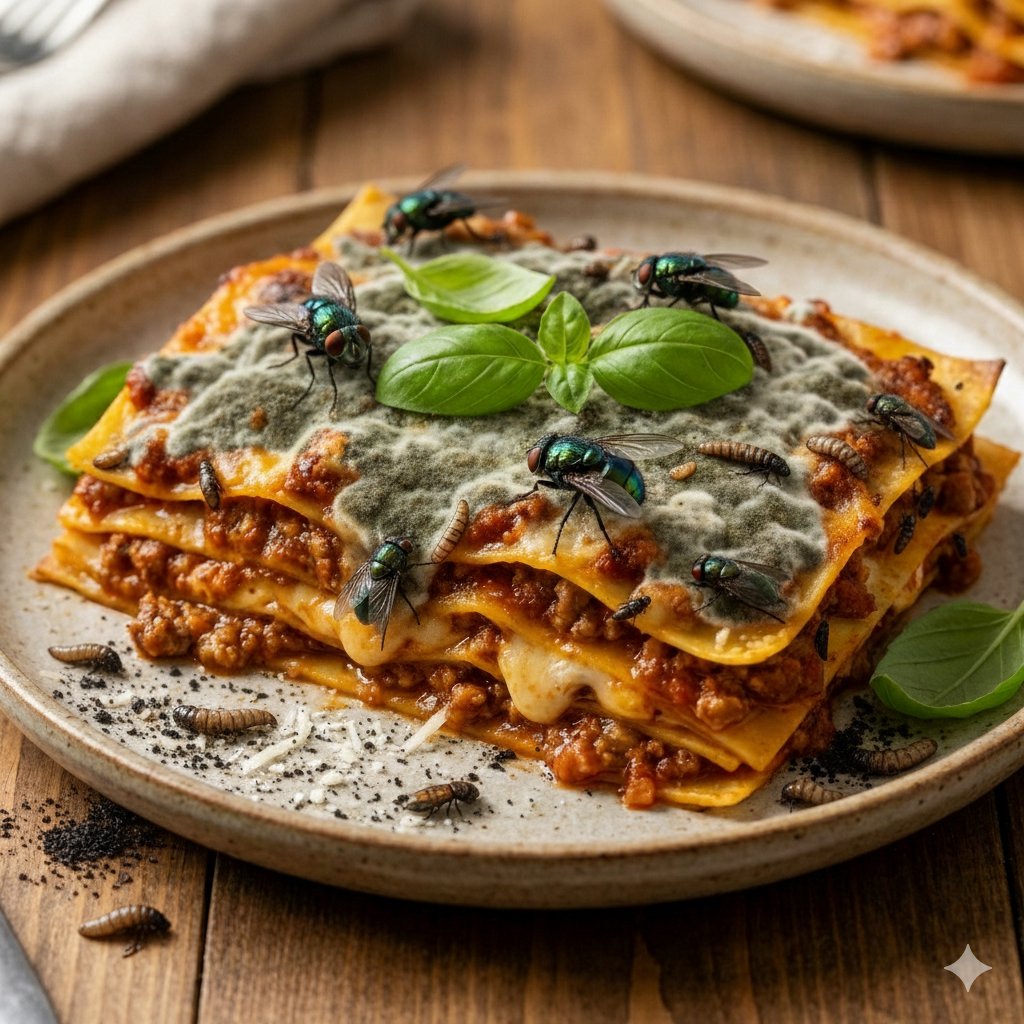
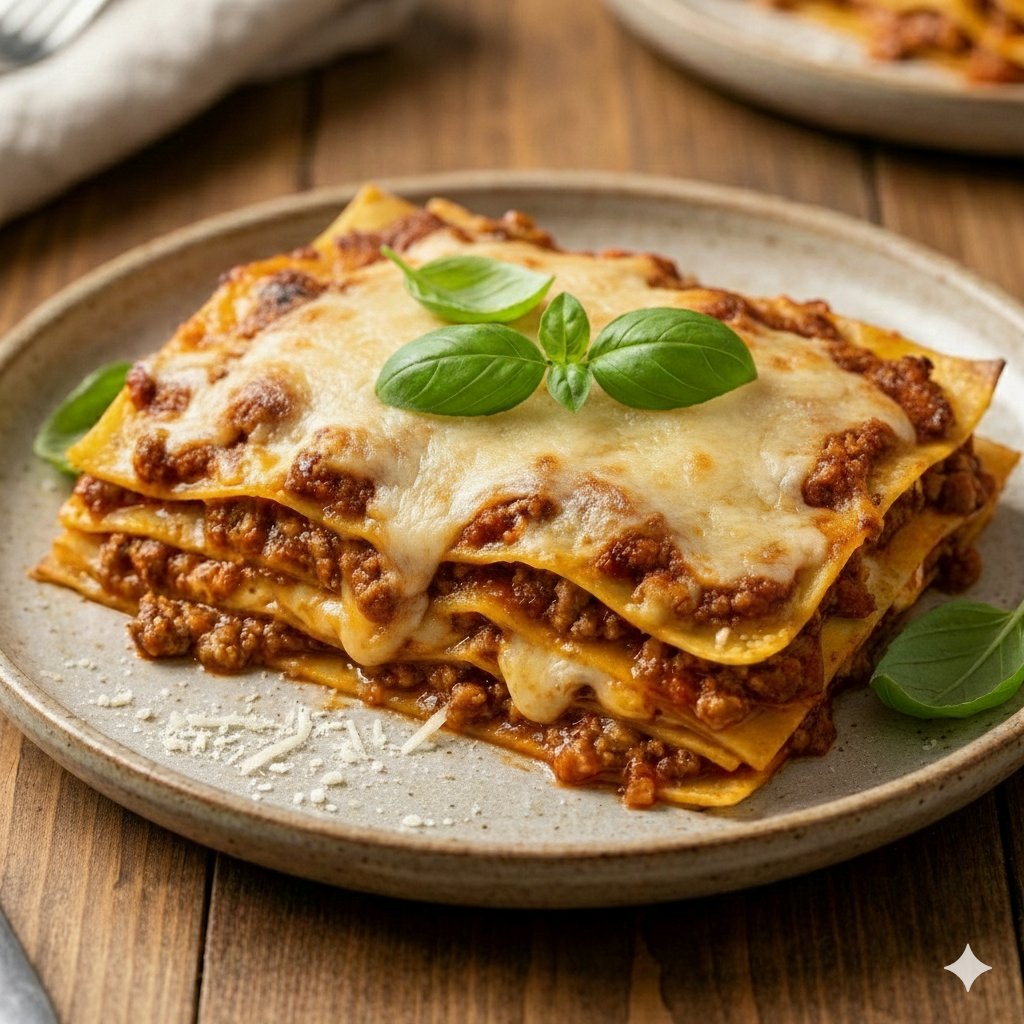
Let us strip away the romanticized narrative of Italian comfort food and look at lasagna for what it biologically is: a brick of inflammatory ingredients engineered to override your satiety signals. When you order lasagna at a restaurant or prepare a 'traditional' recipe at home, you are not consuming a meal; you are engaging in a caloric assault on your metabolic baseline. A standard restaurant serving of lasagna—often weighing in at 400 to 500 grams—routinely contains between 850 and 1,200 calories. To put this into a cold, analytical perspective, that is approximately 50% to 60% of the daily caloric requirement for an average sedentary adult female, consumed in a singular sitting. This caloric density is achieved through the layering of energy-dense lipids and refined carbohydrates, creating a macronutrient profile that is disastrous for body composition. The dish is essentially a stack of refined wheat sheets (nutritionally void starch) bound together by a glue of coagulated dairy proteins and oxidized animal fats. There is no 'balance' here. It is a sheer surplus of energy that your body, unless you are an endurance athlete mid-race, has no choice but to store immediately as adipose tissue. The density is so high that the stomach stretch receptors are often triggered only after you have consumed a hyper-caloric load, leading to that characteristic post-prandial lethargy—which is actually your body diverting massive resources to manage the digestive trauma you’ve just inflicted upon it. 📉
The cardiovascular implications of a single slice of lasagna are staggering when one analyzes the lipid profile and sodium content. We are dealing with a multi-pronged attack on your lipid panel. First, the 'Ragù' usually utilizes ground beef or pork with a high fat percentage (often 20% fat), rendered down so the saturated fat permeates the entire structure. Second, the Béchamel sauce—a culinary euphemism for flour mixed with butter and full-fat milk—adds another layer of palmitic acid. Third, the cheese matrix—typically a blend of Mozzarella, Ricotta, and Parmesan—saturates the dish in cholesterol and sodium. A single serving frequently exceeds 40 grams of total fat, with saturated fat contents often surpassing 20 grams—that is 100% of the American Heart Association's daily limit in one meal. Simultaneously, the sodium load is toxic. Between the cured meats, the salting of the pasta water, the sodium inherent in the cheese, and the added salt in the sauce, a serving can easily contain 1,500mg to 2,000mg of sodium. This induces immediate water retention and places significant mechanical stress on the arterial walls, spiking blood pressure. You aren't just eating dinner; you are practically inviting endothelial dysfunction and stiffening your vascular system with a solidified block of grease and salt. 🧂
Beyond the lipids, we must address the glycemic disaster presented by the pasta sheets and the hidden sugars. Lasagna sheets are made from refined white flour (Triticum aestivum), which has been stripped of its bran and germ, removing the fiber that would essentially mitigate blood sugar spikes. When cooked al dente and then baked, these sheets are essentially predigested glucose chains waiting to flood your bloodstream. However, the insidiousness of lasagna lies in the sauce. Commercial jarred sauces, and even many restaurant recipes, utilize significant amounts of added sugar to cut the acidity of low-quality tomatoes. When you combine this high-glycemic load with the massive amount of dietary fat described previously, you create a 'supra-physiological' stimulus. The fat causes temporary insulin resistance, meaning the glucose from the pasta stays in your bloodstream longer, causing glycation, while the high insulin levels lock the dietary fat into your fat cells. It is the perfect biochemical formula for rapid weight gain. Furthermore, the lack of dietary fiber in the pasta and the cheese means there is nothing to scrub the intestines or feed beneficial gut microbiome; it is a sluggish, constipating mass that moves slowly through the digestive tract, increasing transit time and exposure of the colon to potential carcinogens found in the processed meats.
Finally, let us discuss the chemistry of the cooking process itself, specifically the 'crispy top' that so many food enthusiasts fetishize. That browned, bubbling layer of cheese and pasta edges is the result of the Maillard reaction. While this creates flavor, in this context, it also indicates the formation of Advanced Glycation End-products (AGEs). When animal proteins and fats are subjected to high dry heat (baking) in the presence of sugars (lactose in cheese/milk), these harmful compounds form. AGEs are implicated in increasing oxidative stress and inflammation in the body, essentially accelerating the aging process at a cellular level and contributing to the hardening of arteries. Furthermore, if the meat used contains nitrates (common in processed pork mixtures), the high heat can convert these into nitrosamines, which are classified carcinogens. Therefore, lasagna is not merely a high-calorie indulgence; it is a vehicle for pro-inflammatory compounds, carcinogens, and metabolic disruptors. To consume this is to actively choose inflammation over function. Proceed at your own risk. 🧬
📌 Truth Summary
- Caloric Surplus: A single 400g serving contains 850-1,200 calories, providing >50% of daily energy needs with minimal nutrient density.
- Lipid Toxicity: Contains >20g of saturated fat (100% of daily limit) from the 'triad' of fatty meat, butter-based Béchamel, and triple-cheese layers.
- Sodium & Sugar: Sodium levels frequently exceed 1,500mg causing vascular strain, compounded by hidden sugars in tomato sauces that disrupt insulin sensitivity.
- Carcinogenic Load: The browned 'crust' contains Advanced Glycation End-products (AGEs) which accelerate cellular aging and systemic inflammation.