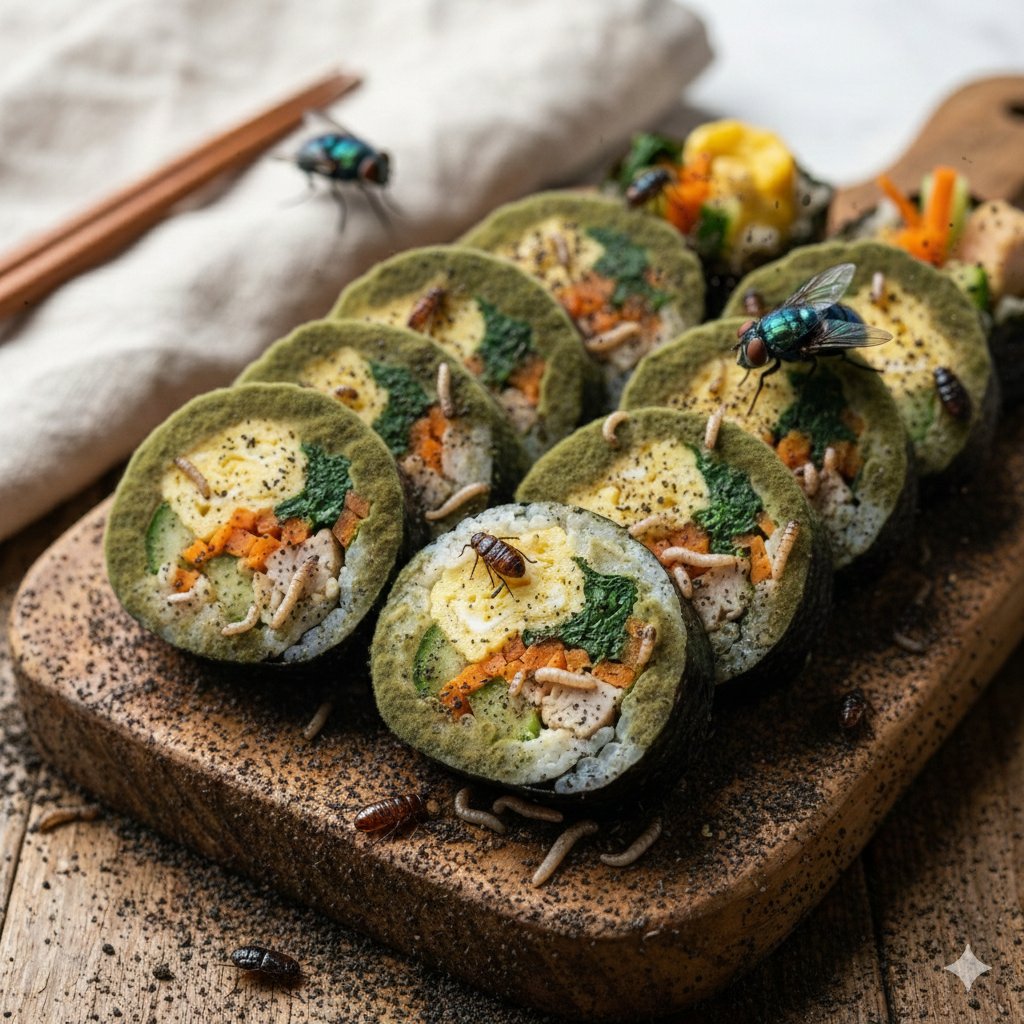
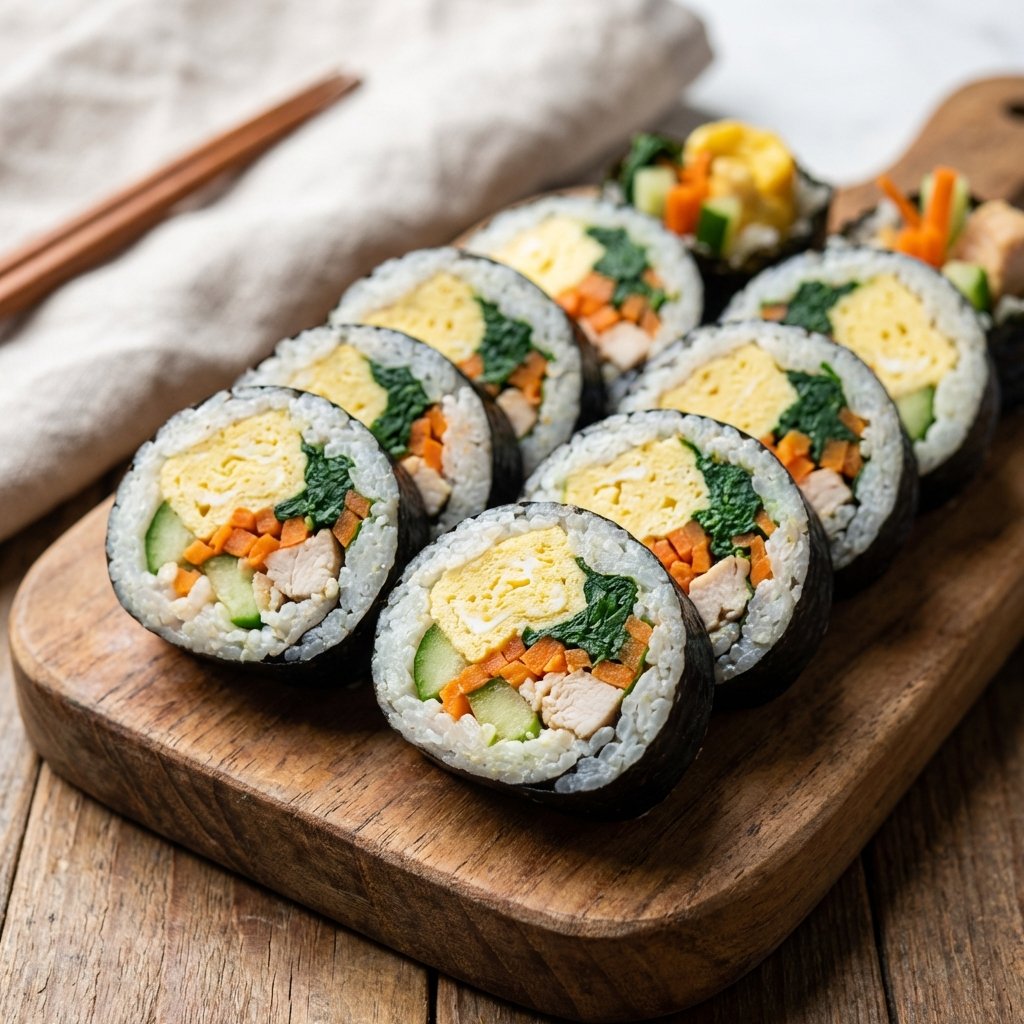
In the desperation to demonize carbohydrates, the modern wellness industry has birthed yet another metabolic Trojan horse: Keto Gimbap. The premise seems logically sound to the uneducated palate—replace the glycemic load of white rice with the protein density of eggs. On paper, you are lowering your insulin response. In reality, you are subjecting your physiology to a barrage of oxidized lipids and industrial preservatives. Let us strip away the 'diet' branding and look at the thermodynamics and chemistry of what is essentially an omelet roll filled with processed waste. The primary structural component of Keto Gimbap is the egg sheet, or jidan. To achieve the necessary pliability and thinness required to mimic the structural integrity of rice, these eggs are rarely steamed. They are fried in thin layers. In commercial settings, this is invariably done using cost-effective, high-omega-6 seed oils like soybean or canola oil. When these unstable polyunsaturated fats are heated to fry thin layers of egg, they undergo lipid peroxidation, generating free radicals. Furthermore, eggs are high in cholesterol. While dietary cholesterol is generally benign, oxidized cholesterol (oxysterols)—formed when egg yolks are exposed to heat and oxygen in this thin-sheet format—is known to be cytotoxic and significantly more atherogenic (artery-clogging) than non-oxidized cholesterol. You are not eating 'clean fuel'; you are consuming a lattice of inflammatory markers. 📉
Once we bypass the inflammatory shell, we encounter the core: the fillings. In traditional Gimbap, rice acts as a neutral flavor buffer, allowing for moderate seasoning of the internal ingredients. Without the rice, the flavor profile becomes unbalanced, leading manufacturers to overcompensate with hyper-palatable, sodium-rich ingredients. Let us analyze the 'Crab Stick' (mat-sal), a staple in these rolls. This is not seafood. It is a highly processed extrusion of minced white fish (surimi), fillers like wheat starch (which ironically adds carbs back in), sugar, and sorbitol. More alarmingly, these sticks are bound with sodium tripolyphosphate and colored with Carmine or artificial dyes. Coupled with the inclusion of processed ham or Spam—which are classified as Group 1 carcinogens by the WHO due to the presence of nitrates and nitrites—the chemical load is substantial. These nitrites can convert into nitrosamines, potent cancer-causing compounds, within the acidic environment of the human stomach. A single roll of Keto Gimbap can easily conceal over 1,400mg of sodium, nearly 60% of your daily maximum limit, causing immediate vascular constriction and water retention.
We must also address the deception of the vegetable components. You likely believe the yellow pickled radish (danmuji) and braised burdock root (ueong) provide a healthy fiber intake. Analytically, they are sugar traps. To penetrate the fibrous root of the burdock and achieve that sweet-savory glaze, the vegetable is boiled in a solution of soy sauce and high-fructose corn syrup or refined sugar. The pickled radish is worse; it is a sponge for sodium saccharin and glacial acetic acid. The vibrant yellow color is rarely natural; it is often the result of Tartrazine (Yellow 5), an azo dye linked to hypersensitivity reactions and genotoxicity in animal models. By removing the rice, you have not removed the sugar; you have simply hidden it inside the vegetables and sauces. Furthermore, to bind these loose ingredients without the sticky starch of rice, 'Keto' variations often rely heavily on mayonnaise as a glue. Commercial mayonnaise is a slurry of soybean oil and calcium disodium EDTA. This dramatically shifts the caloric density of the meal. Rice provides volume with hydration; fat provides density without immediate satiety volume.
Finally, let us calculate the metabolic outcome of this 'diet' food. A standard rice-based Gimbap ranges from 350 to 450 calories. A Keto Gimbap, utilizing 4 to 5 whole eggs and oil-based binders, often skyrockets to 650 or 700 calories per roll. Because protein and fat digest slower but lack the immediate gastric stretching effect of hydrated starch, the satiety signaling is delayed. You are consuming a hyper-dense caloric bomb that mimics a light snack. From a thermogenic standpoint, the lack of fiber (as the vegetables are often pickled and soft, reducing the thermic effect of food) combined with the high load of dietary fats creates a state of lipotoxicity if your energy expenditure does not match the intake. The Keto Gimbap is not a health hack; it is a marketing construct designed to exploit the fear of glucose while ignoring the dangers of oxidized fats, excessive sodium, and chemical preservatives. It is a masterclass in nutritional gaslighting. 🚫
📌 Truth Summary
- Oxidized Cholesterol Risk: Cooking thin egg sheets creates oxysterols, which are significantly more atherogenic and damaging to arterial walls than standard dietary cholesterol.
- Sodium Toxicity: Without rice to buffer flavor, fillings like processed ham and imitation crab push sodium levels dangerously high (often >1,200mg/roll).
- Hidden Carcinogens: Common fillings utilize nitrite-preserved meats (Group 1 Carcinogens) and artificial dyes like Tartrazine in the pickled radish.
- Caloric Density Trap: Replacing hydrated carbohydrates with oils and eggs nearly doubles the calorie density while reducing volume, tricking satiety signals.