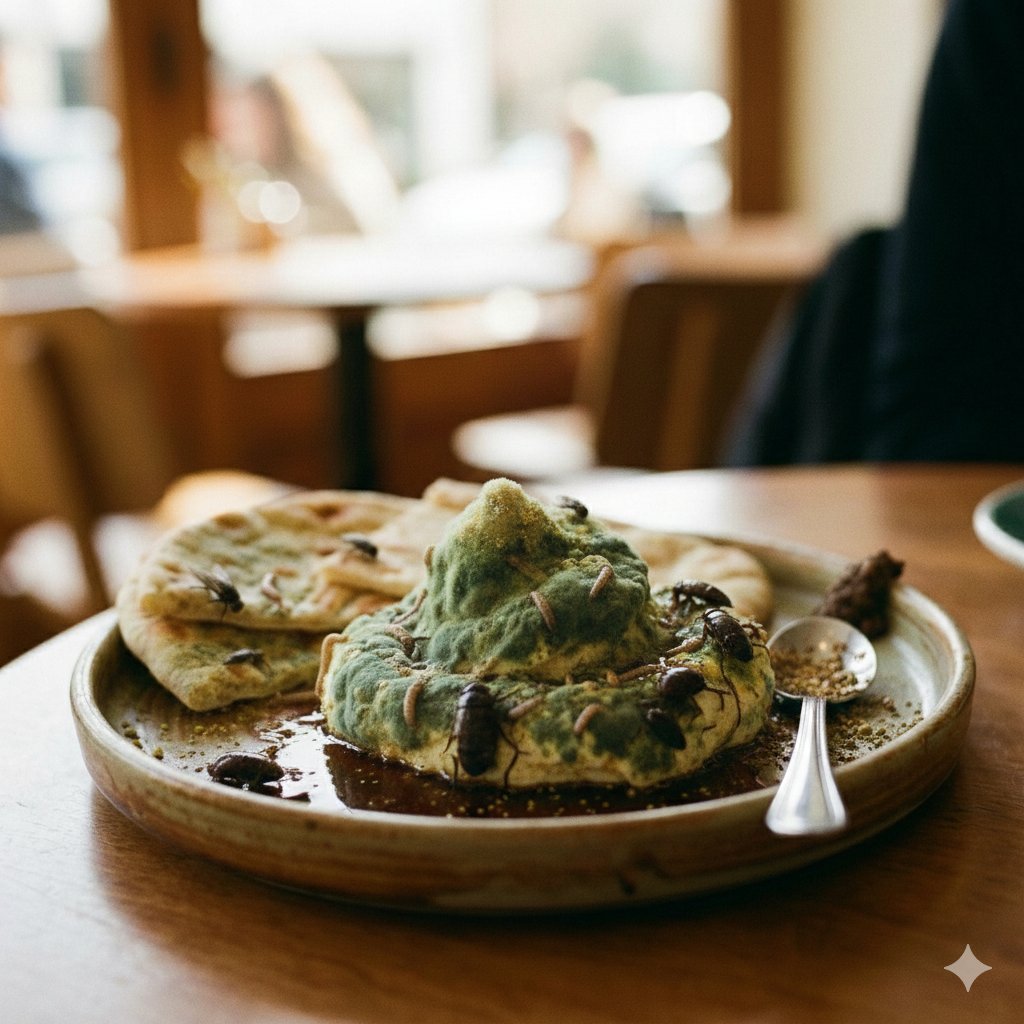
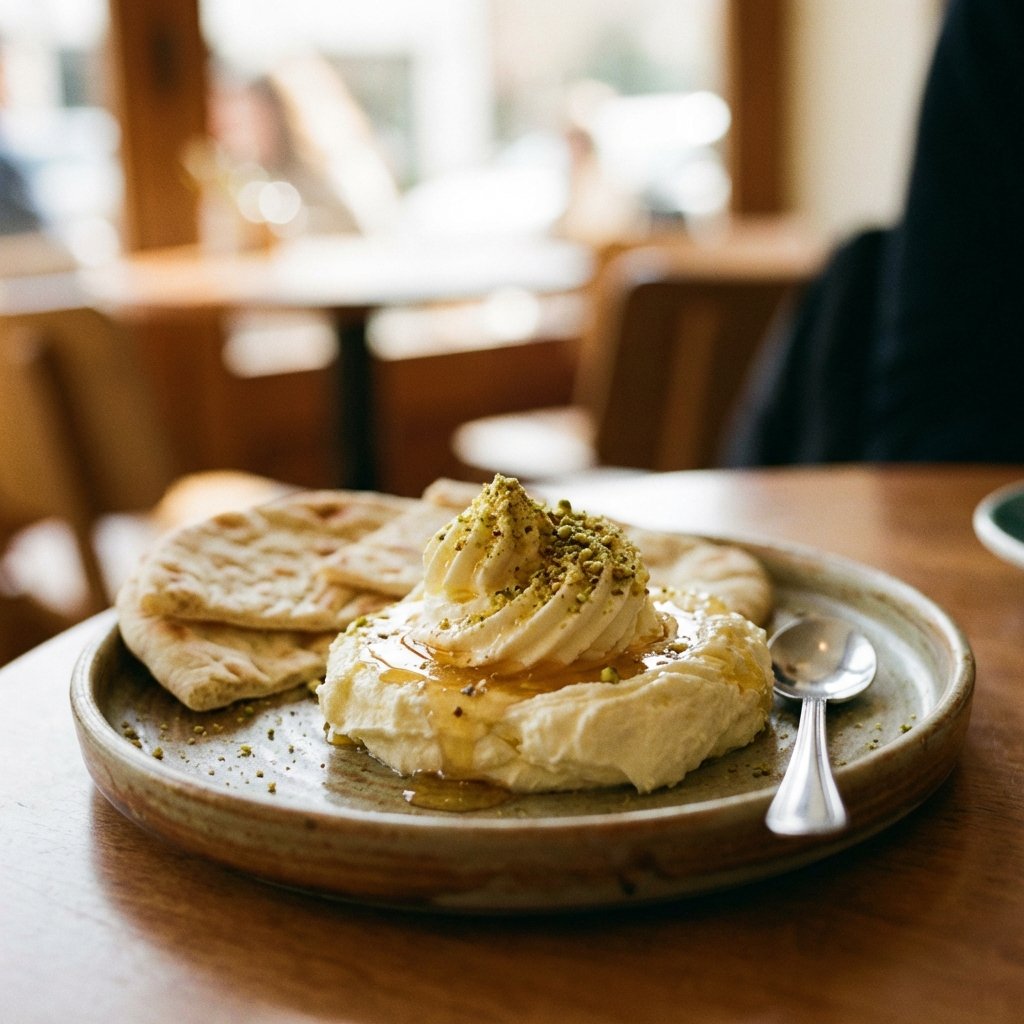
Let’s dissect the current obsession with Kaymak, the so-called “heavenly cream” that has migrated from the breakfast tables of Turkey and the Balkans to become the latest darling of the Korean dessert scene. While food influencers and television personalities romanticize its texture as “cloud-like” and its flavor as “pure,” a cold, analytical look at its nutritional composition reveals a far more sinister reality. To call Kaymak a dairy product is an understatement; biologically speaking, it is a concentrated delivery system for adipose tissue. Traditional Kaymak is produced by slow-boiling water buffalo milk—which already contains nearly double the fat content of cow’s milk—and skimming off the coagulated cream layer. The result is a product that is approximately 60% pure fat by weight. A mere 100-gram serving can contain upwards of 700 calories, a density comparable to mayonnaise or pure butter. When you consume this, you are not nourishing your body; you are engaging in a caloric bombardment that overwhelms your metabolic machinery. The marketing suggests rustic innocence, but the biochemistry screams metabolic insult. 🧈
The lipid profile of Kaymak is a cardiovascular hazardous zone. The fat found in water buffalo cream is predominantly saturated, specifically rich in palmitic and myristic acids. Unlike the medium-chain triglycerides found in coconut oil or the polyunsaturated fats in nuts, the long-chain saturated fatty acids in Kaymak are potently atherogenic. Upon ingestion, these lipids trigger a rapid increase in low-density lipoprotein (LDL) cholesterol. More concerning is the impact on endothelial function. Scientific literature indicates that a single high-saturated fat meal can impair the ability of blood vessels to dilate (flow-mediated dilation) for several hours post-prandial. By consuming Kaymak, you are essentially coating your vascular system in a sludge that promotes inflammation and plaque deposition. We are looking at numbers that defy logic for a “snack”: a standard serving easily exceeds 200% of the American Heart Association’s recommended daily limit for saturated fat. This is not fuel; it is the raw material for atherosclerosis.
Perhaps the most egregious aspect of the Kaymak trend is the vehicle in which it is delivered. It is rarely eaten in isolation. Protocol dictates it be drowned in honey and slathered onto refined white bread. From a metabolic standpoint, this combination is catastrophic. You are pairing a massive bolus of dietary fat with a spike of high-glycemic carbohydrates. This triggers the physiological phenomenon known as the “Randle Cycle,” where high levels of free fatty acids in the blood inhibit the cells' ability to oxidize glucose, leading to acute insulin resistance. The sugar from the honey and bread spikes your insulin, while the fat from the Kaymak lingers in circulation, eventually being stored as visceral fat. This specific macronutrient combination—high carb plus high saturated fat—is the gold standard for inducing metabolic syndrome in laboratory models. You are essentially creating a pro-inflammatory environment that accelerates glycation, the process where sugar bonds to protein or lipid molecules, damaging your tissues and accelerating cellular aging. 📉
In conclusion, the romanticism surrounding Kaymak is a triumph of palate over physiology. While the mouthfeel may be luxurious, the biological cost is steep. We are analyzing a food item that lacks significant micronutrient density—offering negligible vitamins, minerals, or fiber relative to its caloric load—while providing a maximal dose of lipotoxic elements. It is an artifact of a time when calorie scarcity was a threat to survival, not a modern indulgence for a sedentary population battling an obesity epidemic. If you value your endothelial lining and wish to avoid the cumulative damage of postprandial lipemia, Kaymak should be categorized not as a delicacy, but as a biohazard. Eat it if you must, but do so with the full analytical understanding that you are actively burdening your liver and hardening your arteries with every bite.
📌 Truth Summary
- Hyper-Caloric Density: At nearly 700-800 calories per 100g, Kaymak is energetically equivalent to eating pure butter, offering almost zero satiety relative to its caloric load.
- Saturated Fat Overload: Composed of ~60% fat, largely palmitic and myristic acids, a single serving exceeds daily safety limits for cardiovascular health and spikes LDL cholesterol.
- The Randle Cycle Effect: Serving Kaymak with honey and white bread combines high fats with high sugars, inducing acute insulin resistance and promoting visceral fat storage.
- Nutritional Void: Despite its density, it is nearly devoid of fiber and essential micronutrients, acting as an 'empty calorie' bomb that displaces nutrient-dense foods.