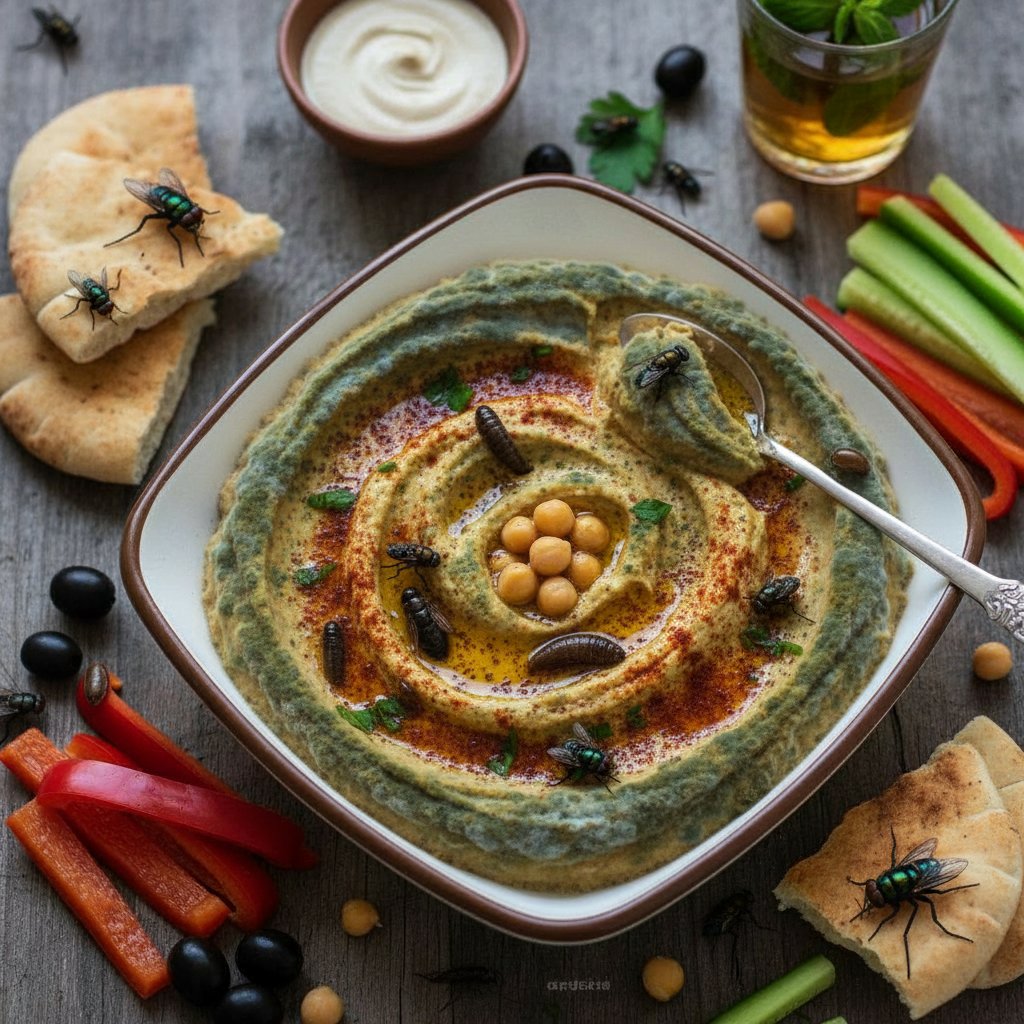
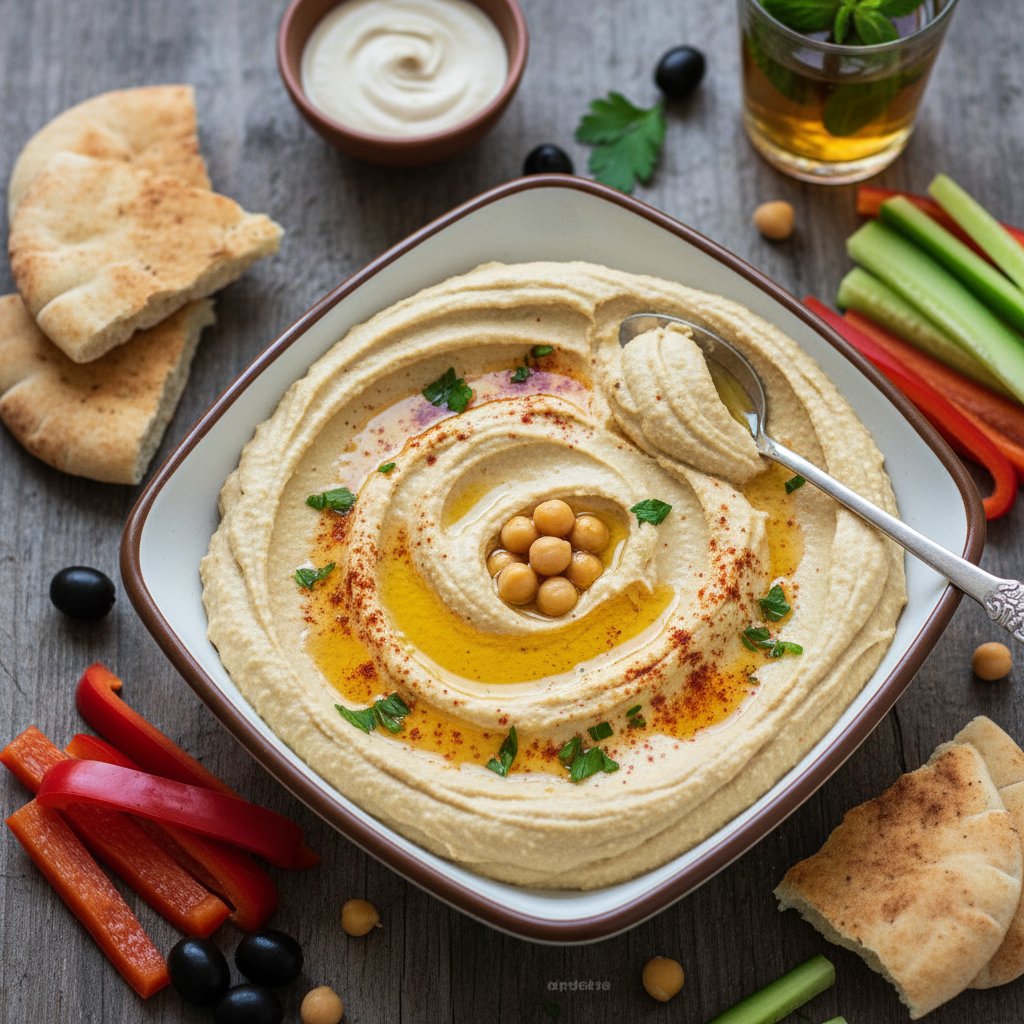
Let us dismantle the beige pedestal upon which society has placed this Middle Eastern staple. To the average consumer, hummus represents the pinnacle of virtuous snacking—a plant-based, protein-rich alternative to ranch dressing or cheese dip. However, from a strictly analytical perspective, commercial hummus is little more than a bio-hazard of inflammatory fats and agricultural runoff. We must look past the marketing 'health halo' and examine the macronutrient profile. A standard commercial tub does not utilize cold-pressed, polyphenol-rich extra virgin olive oil. Instead, you are consuming an emulsion of chickpeas and cheap, industrial seed oils—typically canola, soybean, or sunflower oil. These oils are chemically unstable polyunsaturated fats (PUFAs) loaded with Omega-6 fatty acids. When you consume the standard American diet, your Omega-6 to Omega-3 ratio is likely already a disastrous 20:1, contributing to chronic systemic inflammation. By consuming store-bought hummus, you are effectively pouring gasoline on that fire. 📉 The oxidation of these oils during processing creates free radicals and aldehydes, which wreak havoc on your cellular membranes. You aren't eating a Mediterranean delicacy; you are eating oxidized industrial lubricant mixed with starch.
Furthermore, we must address the sheer caloric density and the lie of the 'serving size.' The nutritional label on your container lists a serving as two tablespoons, comprising roughly 70 to 80 calories. This is a statistical manipulation designed to mask the reality of consumption patterns. No human being consumes two tablespoons of hummus. The average session involves consuming closer to half a cup or more, often accompanied by pita chips or bread. This combination creates a metabolic nightmare: high-glycemic refined carbohydrates paired with high-fat density. This interaction spikes insulin levels while simultaneously flooding the bloodstream with triglycerides, promoting visceral adiposity (belly fat). Even without the bread, the chickpea itself is not the benign protein source you believe it to be. Chickpeas are primarily starch, not protein. To get a measly 10 grams of protein from hummus, you would need to consume nearly 400 calories of the paste. As a protein-to-calorie efficiency ratio, this is abysmally low, ranking far below lean meats, eggs, or even other plant sources like lentils or tofu. You are essentially eating flavored fat paste and telling yourself it is fitness fuel.
The toxicity analysis deepens when we examine the agricultural practices surrounding non-organic chickpeas. Legumes, particularly chickpeas, are frequently subjected to a process called 'desiccation' prior to harvest. Farmers spray the crop with glyphosate (the active ingredient in Roundup) to kill the foliage and dry the beans out evenly for easier mechanical harvesting. This means the herbicide is applied directly to the food part of the plant merely days before it is processed. Independent testing by the Environmental Working Group (EWG) has found glyphosate levels in hummus exceeding 2,000 parts per billion (ppb) in some samples—far above the benchmark for health risks. 🧪 Glyphosate is classified as a probable carcinogen and is a known disruptor of the gut microbiome, specifically targeting the shikimate pathway in beneficial bacteria. By consuming conventional hummus, you are introducing an antibiotic-like agent into your digestive tract, potentially leading to dysbiosis, leaky gut syndrome, and compromised immunity. Is the savory taste worth the potential erosion of your gut lining?
Finally, we must scrutinize the 'anti-nutrient' profile and the preservation methods used in mass production. Chickpeas contain significant levels of lectins and phytic acid. Phytic acid binds to minerals like iron, zinc, and calcium, creating insoluble complexes that your body cannot absorb. Therefore, the 'nutrient density' listed on the label is theoretically present but biologically unavailable. Unless the chickpeas have been properly soaked and sprouted (a process industrial manufacturers skip to save time and money), you are malabsorbing the very nutrients you seek. Additionally, to keep this beige sludge shelf-stable for weeks, manufacturers load it with preservatives like Potassium Sorbate and Sodium Benzoate. These additives have been linked to hypersensitivity reactions and, in some studies, potential genotoxicity at high concentrations. Combined with sodium levels that can reach 400mg per actual serving (not the label serving), hummus becomes a vehicle for water retention and hypertension. It is a processed food product, stripped of vitality, loaded with salt, and preserved in plastic. It belongs in the waste bin, not your body.
📌 Truth Summary
- Inflammatory Oils: Commercial brands replace olive oil with oxidized Omega-6 rich canola or soybean oils, promoting cellular inflammation.
- Glyphosate Toxicity: Chickpeas are commonly desiccated with Roundup; tests show carcinogenic herbicide residue at alarming levels.
- Bioavailability Blockers: High phytic acid content inhibits the absorption of critical minerals like zinc and iron.
- Caloric Deception: A realistic portion contains 400+ calories of fat and starch, making it a poor choice for weight management.