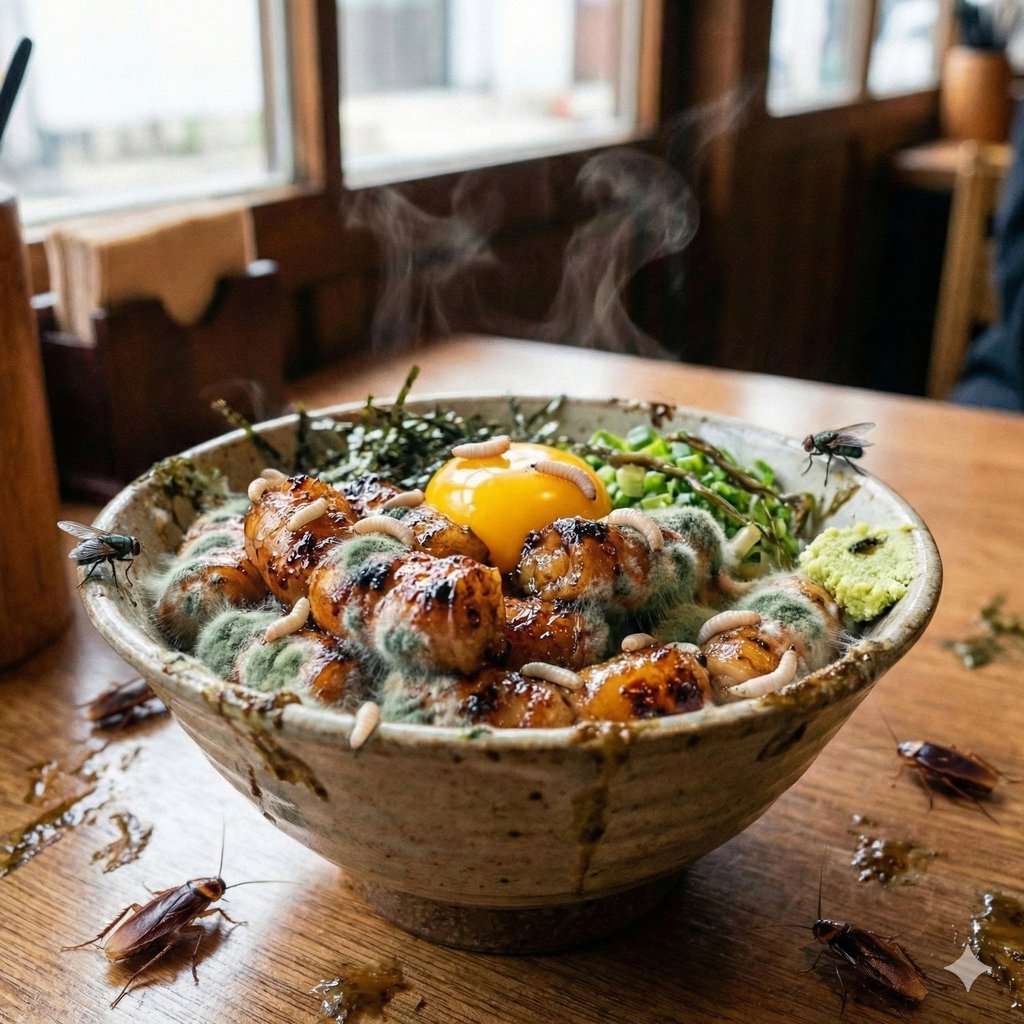
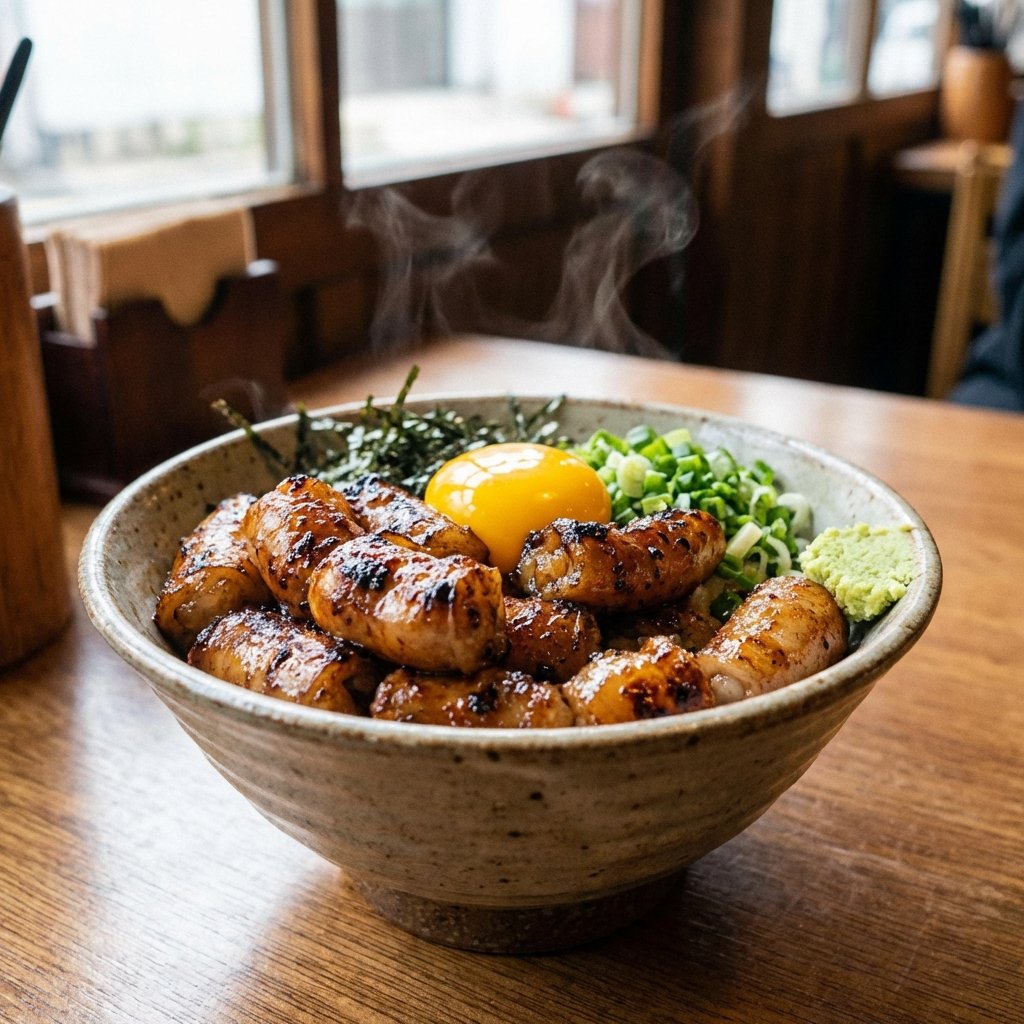
Let us dispense with the culinary romanticism surrounding 'Hormone Don' (Daechang Deopbap) and observe it for what it scientifically is: a calculated assault on your endothelial function. When you order this viral sensation, you are not purchasing a meal; you are purchasing a bowl of bovine large intestine that has been inverted to expose its visceral fat lining, then grilled to the point of carcinogenic char. To the untrained palate, the texture is described as 'melting.' To the analytical mind, this sensation is simply the rapid liquefaction of lipids coating the oral cavity. A standard serving of Daechang consists almost entirely of fat, specifically saturated fatty acids like palmitic and stearic acid. Unlike muscle meat, which provides protein structure, the large intestine here serves as a casing for pure tallow. When you consume a typical bowl, you are ingesting upwards of 1,200 to 1,500 calories in a single sitting, with approximately 70% of those calories derived from fat. We are talking about 80 to 100 grams of total fat, with saturated fat levels frequently exceeding 40 grams—that is double the American Heart Association’s recommended daily limit for a healthy adult, consumed in less than twenty minutes. This massive influx of dietary lipids triggers immediate postprandial lipemia, turning your blood serum turbid and significantly impairing the ability of your blood vessels to dilate. You are essentially thickening your blood with sludge while simultaneously asking your heart to pump harder to digest it.
However, the lipid profile is merely the foundational issue; the true toxicity lies in the preparation method. The 'smoky flavor' that influencers rave about is chemically defined as contamination. As the Daechang is grilled, the excessive fat renders and drips onto the open charcoal or gas flame below. This incomplete combustion of lipids generates smoke rich in Polycyclic Aromatic Hydrocarbons (PAHs), specifically benzo[a]pyrene, a Group 1 carcinogen classified by the IARC. This toxic smoke rises and coats the intestine, which is essentially a fat sponge, trapping the particulates. Furthermore, the marinade—a viscous mixture of soy sauce, sugar, and often corn syrup—is applied and grilled until it caramelizes. This browning process, while tasty, represents the Maillard reaction taken to a dangerous extreme, resulting in the formation of Heterocyclic Amines (HCAs). You are not just eating fat; you are eating fat that has been permeating with mutagenic compounds. The blackened bits you enjoy? That is concentrated oxidative stress. Scientific literature consistently links high consumption of PAHs and HCAs from charred meats to an increased risk of colorectal and gastric cancers. It is a profound irony that people consume the large intestine of a cow only to endanger their own large intestine with carcinogenic load.
Let us analyze the metabolic chaos induced by the 'Don' (rice bowl) component. If this dish were merely fat, your body might enter a state of ketosis to manage it. But Hormone Don is served atop a massive bed of white, refined rice, often soaked in a sweet, soy-based glaze. This creates the 'Randle Cycle' effect, or glucose-fatty acid cycle, where the competition between glucose and fatty acids for oxidation results in insulin resistance. You are flooding your bloodstream with glucose from the refined carbohydrates and sugar-laden sauce (often containing 30g+ of sugar per serving), spiking your insulin. Simultaneously, the high levels of free fatty acids in your blood interfere with insulin signaling. This combination forces your pancreas to overwork, pumping out excessive insulin to manage the glucose, while the fat remains uncleared from the blood, depositing itself into visceral adipose tissue and the liver. It is the perfect recipe for Non-Alcoholic Fatty Liver Disease (NAFLD). The addition of a raw egg yolk, while aesthetically pleasing for photography, only adds another 180-200mg of dietary cholesterol to a dish that is already a cardiovascular nightmare. The garnish of wasabi and onions is a pitiful attempt at nutritional redemption; no amount of pungent root vegetables can chelate the heavy load of oxidized lipids you are introducing to your system.
From a purely analytical standpoint, Hormone Don is one of the most inefficient and dangerous fuel sources you could choose for a human body in its thirties. We are biologically designed to crave high-calorie density for survival, but this dish hacks that evolutionary drive to deleterious ends. The sodium content alone—often exceeding 2,500mg due to the reduction of the soy marinade—causes immediate water retention and blood pressure spikes, further straining the arterial walls already stiffening from the lipid load. There is no 'moderation' with a dish like this because the fundamental ingredient is anatomically composed of the very substance medical professionals advise you to minimize. It is a bowl of inflammation. Eating this is not a treat; it is a bio-assay of your body's resilience against acute metabolic toxicity. If you value your long-term vascular health, do not let this enter your digestive tract. 🚫
📌 Truth Summary
- Lipid Toxicity: Contains over 40g of saturated fat (200% of daily limit), inducing immediate endothelial dysfunction and blood turbidity.
- Carcinogenic Load: Fat dripping onto coals generates Polycyclic Aromatic Hydrocarbons (PAHs) and Heterocyclic Amines (HCAs), which are potent mutagens absorbed by the meat.
- Metabolic Conflict: The combination of high saturated fat and refined carbohydrates (rice/sugar glaze) activates the Randle Cycle, exacerbating insulin resistance and liver fat deposition.
- Sodium Excess: The reduced soy marinade contributes to a massive sodium load (>2,500mg), causing hypertension and fluid retention alongside arterial stress.