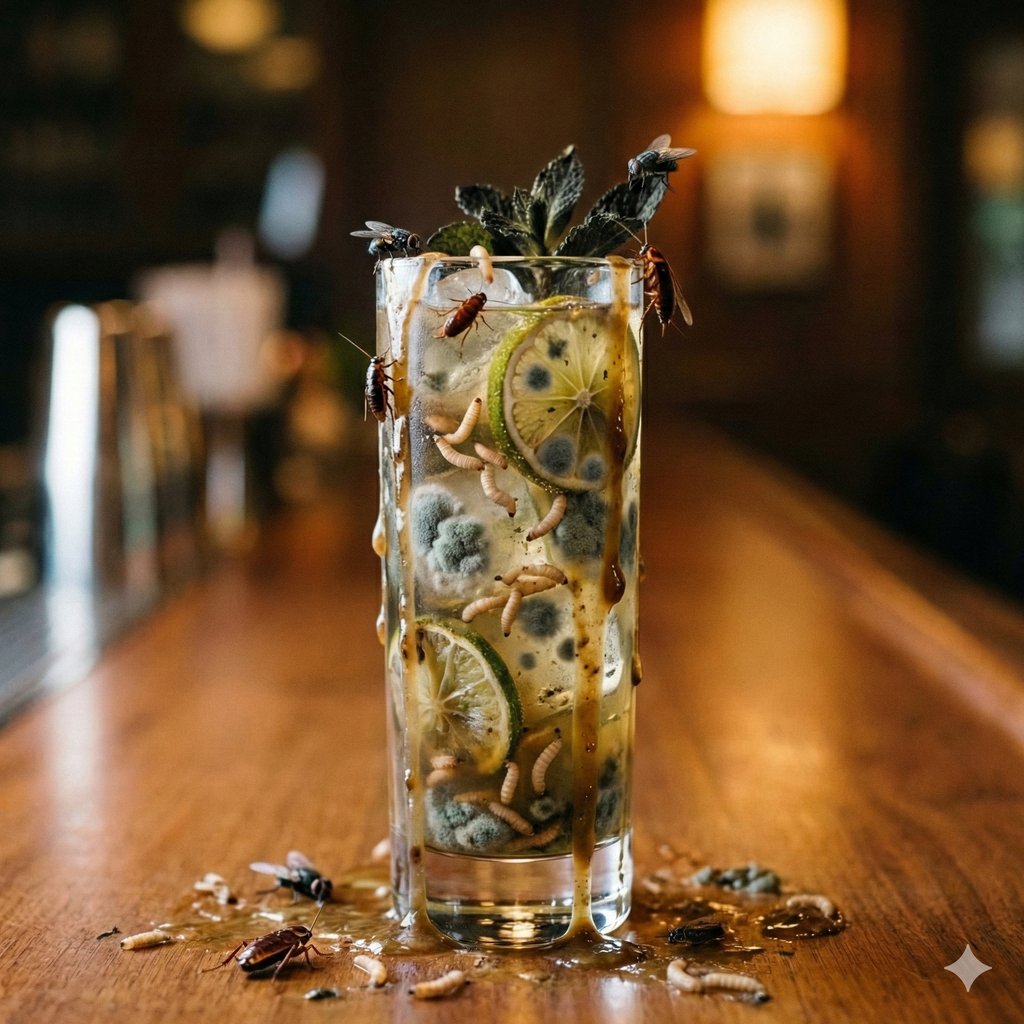
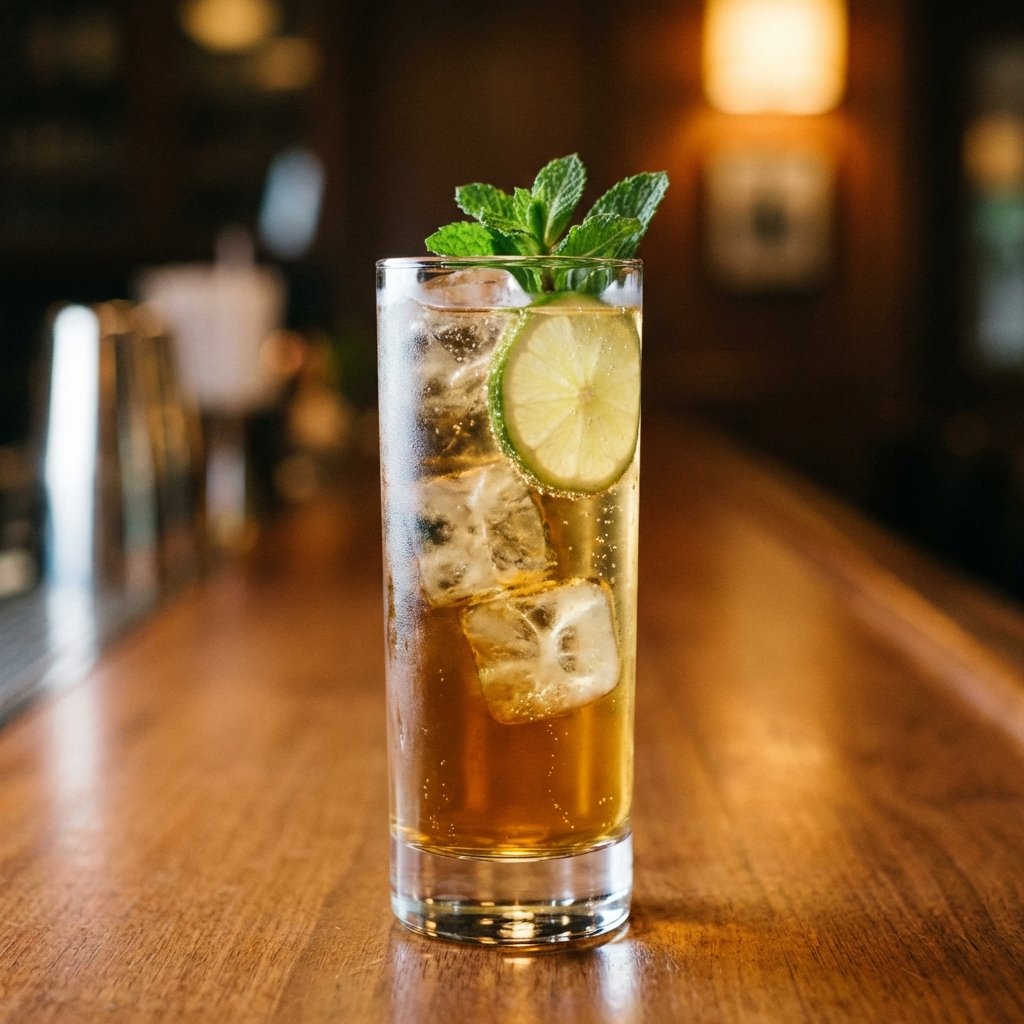
As evening approaches, a transparent liquid sits coolly in a metal glass. Steam rises above it, and its refreshing aroma tempts you. The marketing slogan of "refreshing and low-calorie alcohol" stimulates your ear, and you believe "this is a healthy choice" before lifting the glass. That refreshing taste which masks alcohol's addictiveness is already clouding your judgment.
What is a highball's true identity? It's a cocktail of whiskey mixed with soda and fruit juice. Outwardly, the name "soda" implies purity, but most commercial sodas contain a terrifying amount of sugar. One glass of highball (300ml standard) hides about 25-40g of sugar. This is similar to the sugar content in a standard can of soda.
But what you're facing is far from simple sweet soda. Inside are about 50-70ml of whiskey, which means about 9-12% alcohol. The combination of sugar and alcohol completely destroys your metabolism. Alcohol is a toxic substance your liver must process. Simultaneously, the high sugar content rapidly elevates blood glucose. Your liver cannot simultaneously process both.
Normally, your liver stores glucose as glycogen or converts glycogen back to glucose when needed. But when you drink alcohol, your liver's priority completely shifts to alcohol processing. Therefore, glucose risen from blood sugar cannot be processed and all converts to and accumulates as visceral fat. This is why your belly becomes exceptionally bloated the day after drinking. What you feel isn't just bloating—fat is actually accumulating around your liver and abdomen. 💀
Even more dangerous is alcohol's addictiveness. The moment you drink one glass, your brain releases dopamine. The refreshing taste hides that dopamine stimulation. It doesn't feel like you're drinking alcohol, but your brain already anticipates the reward. Consequently, you don't stop at one—you continually seek the next glass. The myth of "having just one drink" at social occasions is a lie. Scientific evidence proves alcohol's addictiveness.
One glass of highball contains about 150-200 kcal. This seems relatively low. But the reality of bar drinking is never just one glass. Typically you consume 3-5 glasses, which means 500-1,000 empty calories. Empty calories are calories with zero nutritional value that only cause weight gain.
Alcohol also slows your metabolic rate. The night you drink, your metabolism drops to 70-80% of normal. That's why the day after drinking you look duller, your face swells, and digestion suffers. Your body expended all its resources eliminating the toxic substance that is alcohol.
Refusing a highball isn't rejecting drinking culture. It's a sovereign act protecting your liver and preserving your metabolism. When you resist the temptation of refreshing taste, social pressure, and alcohol's addictiveness, you finally reclaim your body completely.
📌 The Truth: One Glass of Highball's Reality
- Sugar Content: 25-40g (hidden sugars at soda-drink levels)
- Alcohol Content: 9-12% (whiskey-based, highly addictive)
- Calories: 150-200 kcal (per glass, typically 3-5 glasses consumed = 500-1,000 kcal)
- Liver Damage: All sugar unable to process converts to visceral fat, fatty liver acceleration 🛑
- Metabolism: 30% reduction in metabolic rate from alcohol processing, next-day condition collapse