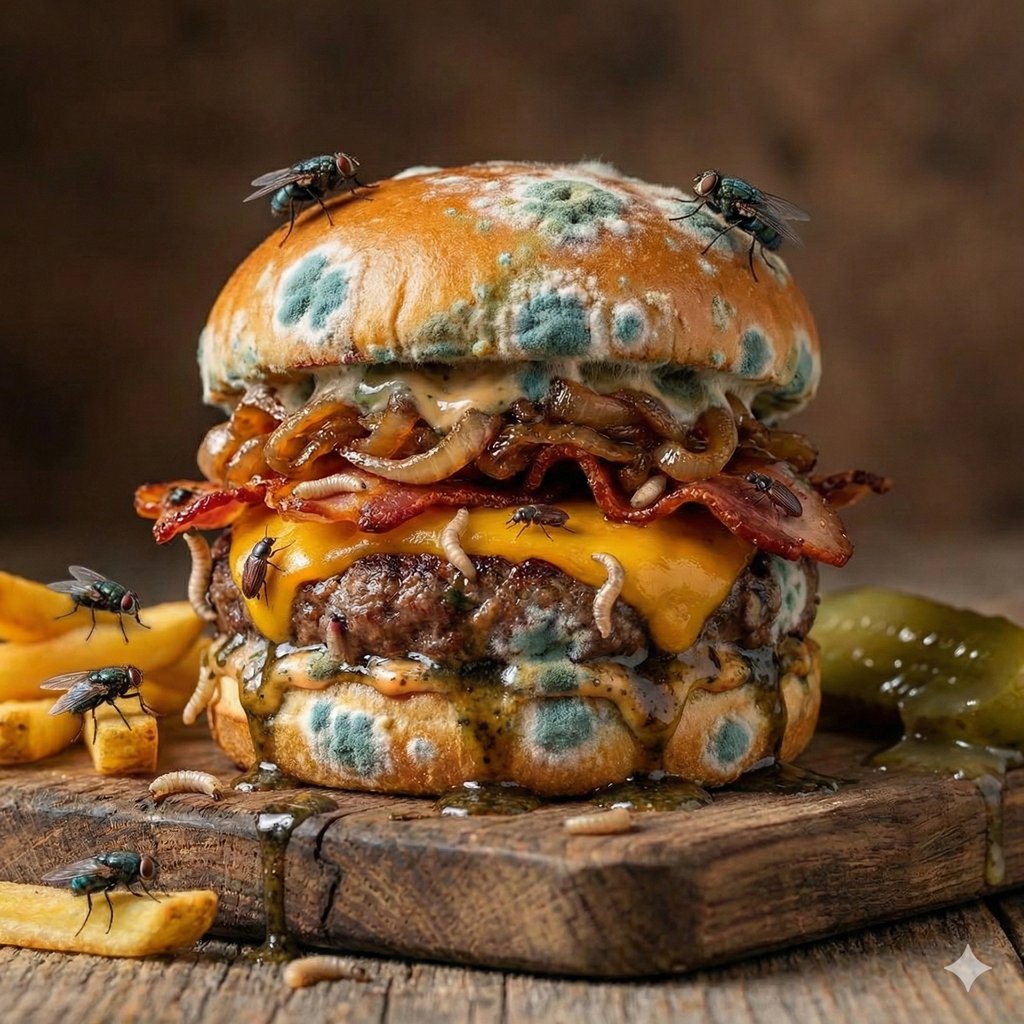
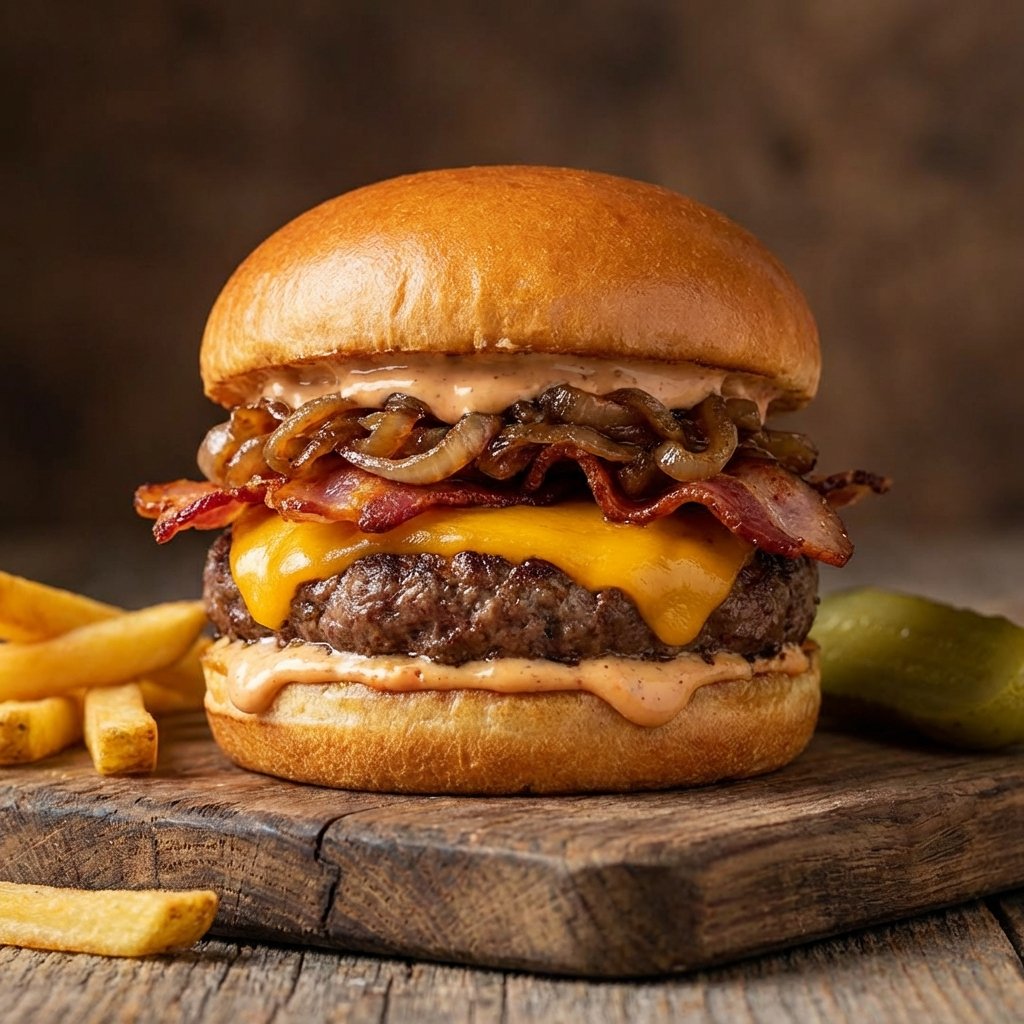
Let’s dispense with the marketing veneer immediately: the term 'handmade' or 'artisanal' when applied to a burger is nothing more than a semantic trap designed to lower your nutritional defenses. You walk into a gastropub, surrounded by reclaimed wood and industrial lighting, and you convince yourself that because the meat was ground on-site and the bun was baked this morning, you are making a 'cleaner' choice than a fast-food drive-thru. This is a delusion 🛑. From a biochemical perspective, the 'gourmet' handmade burger is often far more dangerous than its mass-produced counterpart simply due to volume and density. A standard fast-food burger might set you back 500 calories; a restaurant-style handmade burger, however, frequently ranges between 1,200 to 1,500 calories before you even touch the fries. That is roughly 60% to 75% of the total daily energy expenditure for an average sedentary adult, consumed in a single 20-minute sitting. The structural foundation of this meal, the brioche bun, is the first offender. Unlike standard bread, brioche is enriched with high volumes of butter and egg yolks, essentially making it a pastry. You are sandwiching your meat between two slices of high-glycemic cake, spiking your insulin levels and priming your adipocytes (fat cells) for maximum storage.
Now, let’s analyze the centerpiece: the patty. To achieve that 'juicy' texture that foodies rave about, chefs do not use lean cuts. They rely on a meat-to-fat ratio of at least 70/30, often incorporating brisket or short rib to increase the lipid content. When you consume a 200-gram handmade patty, you are not just eating protein; you are ingesting a massive bolus of saturated fat, specifically palmitic and stearic acids. A single gourmet burger can easily contain 40 to 50 grams of saturated fat—that is more than double the American Heart Association’s recommended daily limit of 13 grams for individuals watching their cholesterol. This influx of saturated fatty acids triggers an immediate inflammatory response in the body, known as postprandial inflammation. Within hours of consumption, your endothelial function (the ability of your blood vessels to dilate) is impaired, restricting blood flow and increasing cardiac stress. Furthermore, the 'juice' dripping onto your plate is essentially rendered tallow mixed with myoglobin. When you combine this with the generous slabs of 'aged cheddar' or processed American cheese (which is essentially a matrix of milk proteins, emulsifiers, and food coloring), you are creating a lipid profile guaranteed to elevate your LDL cholesterol and promote the formation of arterial plaque 📉.
Beyond the macronutrient disaster, we must address the chemical toxicity introduced through preparation and condiments. The highly coveted 'char' on a handmade burger—that crust developed through high-heat searing—is the result of the Maillard reaction. While tasty, pushing this reaction to the point of charring creates Heterocyclic Amines (HCAs) and Polycyclic Aromatic Hydrocarbons (PAHs), both of which are classified as mutagenic and carcinogenic. You are effectively seasoning your dinner with compounds known to damage DNA. Then comes the sodium bomb. A handmade burger is aggressively seasoned with kosher salt before cooking, topped with salty cheese, bacon (a Group 1 carcinogen loaded with nitrates), and pickles. The final nail in the coffin is the 'secret sauce' or artisan aioli, which is invariably an emulsion of soybean or canola oil (high in inflammatory Omega-6 fatty acids), sugar, and more salt. It is not uncommon for a single handmade burger to exceed 2,500 mg of sodium. That is 108% of the recommended daily maximum in one item. This sodium load creates massive osmotic pressure in your vascular system, forcing your body to retain water to dilute the salt, thereby driving up blood pressure and straining your kidneys.
Finally, we must consider the metabolic aftermath of this 'treat.' Consuming a meal this dense in refined carbohydrates, saturated fats, and sodium induces a state of metabolic chaos. The high-glycemic bun causes a rapid blood glucose spike, which is met with a surge of insulin. However, the presence of massive amounts of free fatty acids from the meat and cheese interferes with insulin signaling, contributing to temporary insulin resistance. Once the initial glucose rush fades, you crash, leading to the lethargy often jokingly referred to as a 'food coma.' In reality, this is your body diverting significant energy resources to manage the toxic load you’ve just ingested. The oxidative stress generated by processing this meal depletes your body’s antioxidant reserves. If you think you are just having a cheat meal, think again. You are subjecting your physiology to a stress test that promotes visceral fat accumulation, systemic inflammation, and long-term metabolic dysfunction. There is nothing 'premium' about heart disease, no matter how artisanal the font on the menu is.
📌 Truth Summary
- Lipid Overload: A single patty often utilizes a 70/30 meat-to-fat ratio, delivering over 200% of the daily limit for saturated fat, directly impairing endothelial function.
- Carcinogenic Char: The coveted crust contains Heterocyclic Amines (HCAs) and Polycyclic Aromatic Hydrocarbons (PAHs), mutagenic compounds linked to DNA damage.
- Sodium Toxicity: Between the seasoned meat, cured bacon, cheese, and brioche bun, sodium levels frequently exceed 2,500mg, causing immediate hypertensive stress.
- The Brioche Trap: The bun is biochemically closer to cake than bread, combining refined flour and sugar to spike insulin while high fats block glucose uptake.