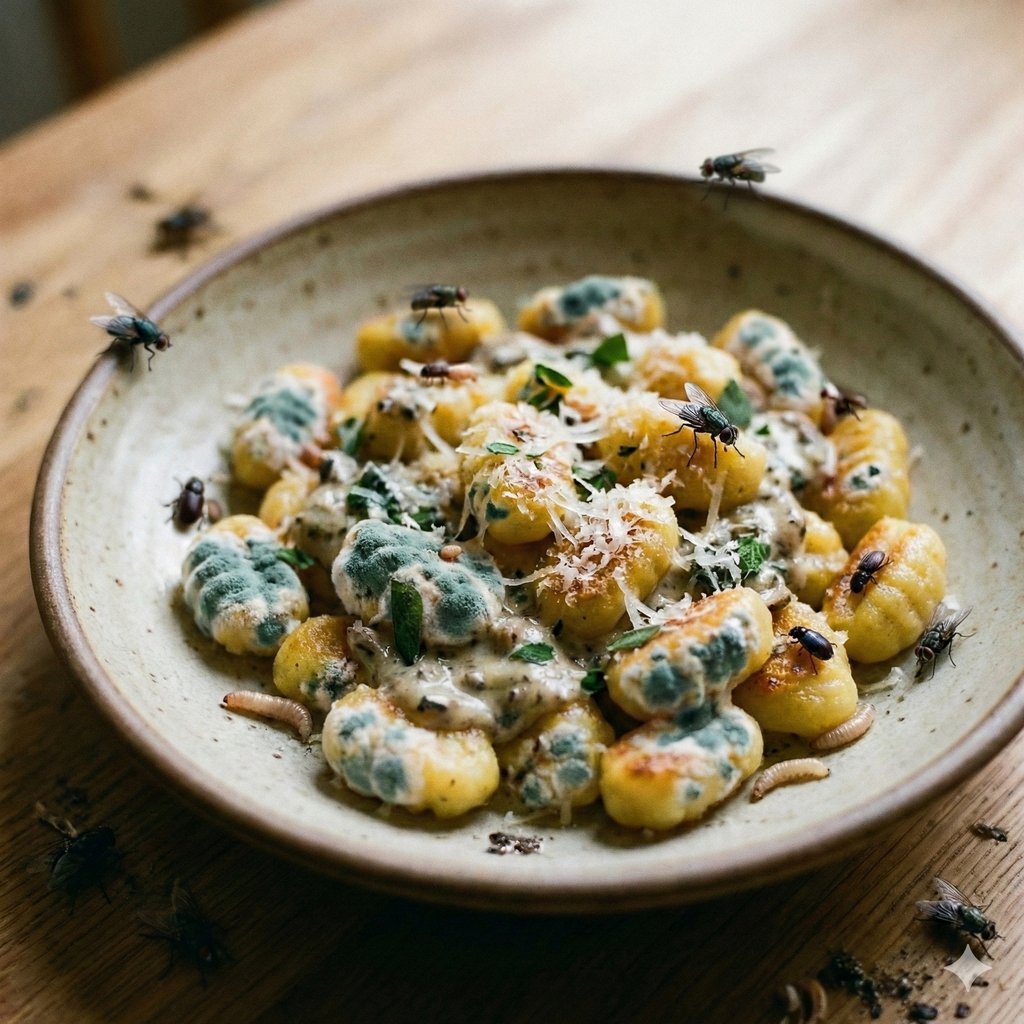
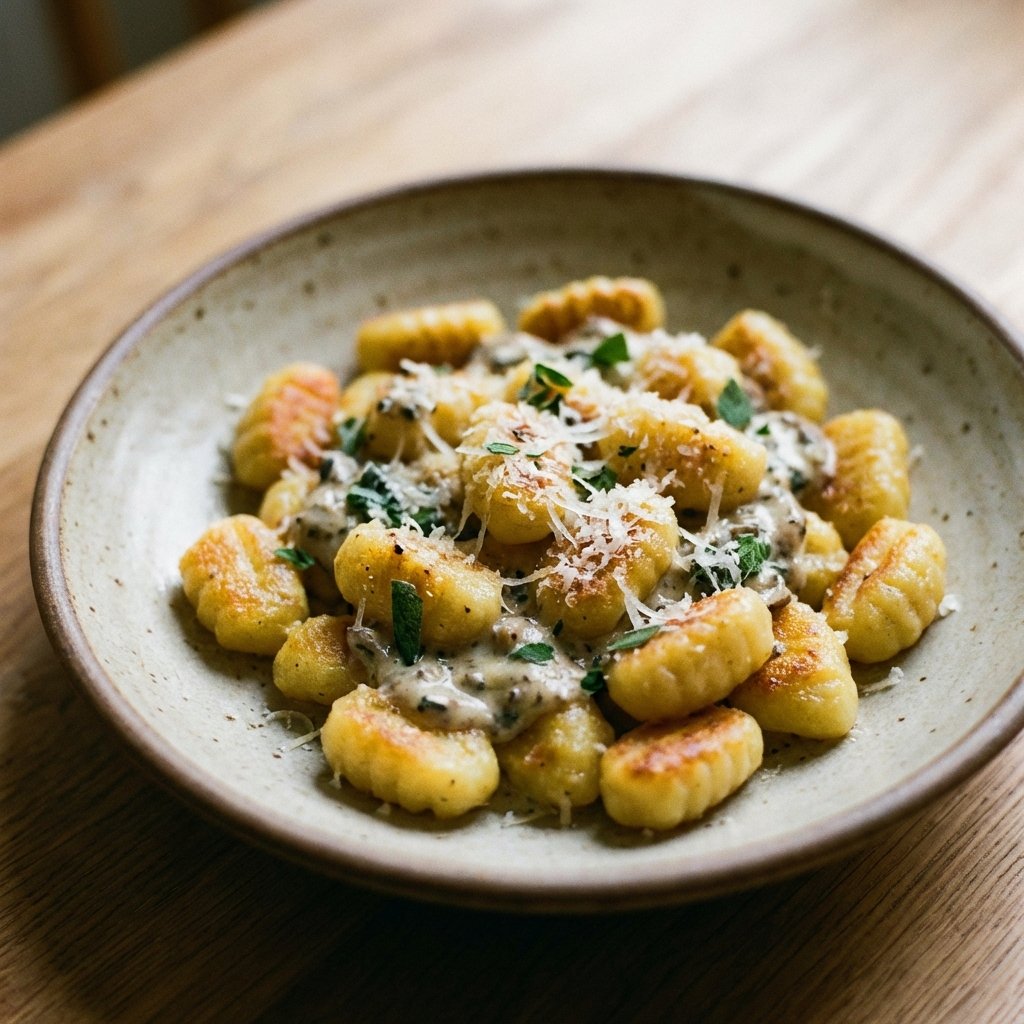
Let us dispense with the romanticized notion of gnocchi as harmless 'pillowy clouds' of Italian comfort. To the analytical eye, these dumplings are nothing more than highly condensed pellets of gelatinized starch and refined wheat, engineered to disrupt your metabolic baseline. When you consume gnocchi, you are not merely eating a potato; you are consuming a potato that has been boiled, mashed, and mixed with white flour, effectively destroying the vegetable's cellular matrix. This mechanical processing increases the surface area for your digestive enzymes, specifically amylase, to rapidly convert that starch into glucose. The Glycemic Index (GI) of a standard boiled potato hovers around 78—already high. However, when processed into gnocchi with the addition of refined Type 00 flour, the glycemic load escalates significantly. You are essentially injecting a bolus of glucose directly into your bloodstream. A standard 200g serving of gnocchi delivers approximately 300 to 350 calories of predominantly simple carbohydrates with negligible fiber content (often less than 2g). This triggers a rapid, aggressive insulin response from the pancreas to manage the sudden hyperglycemia 📉. For anyone monitoring insulin sensitivity or inflammation markers, this dish is a tactical error.
Beyond the immediate blood sugar assault, we must examine the structural composition of the commercially available gnocchi that fills supermarket shelves. To make these products shelf-stable or durable enough for transport, manufacturers rely heavily on sodium and preservatives. A single serving of pre-packaged gnocchi can contain upwards of 600mg of sodium before you even salt the boiling water or add sauce. Furthermore, the 'potato' component in mass-produced varieties is frequently rehydrated potato flakes—a highly processed derivative stripped of the potassium and Vitamin C found in the whole tuber. We are looking at a product that is roughly 75% carbohydrate by mass, yet lacks the satiety-inducing fiber required to mitigate digestion speed. It is caloric density without nutritional utility. You are consuming 'glue'—a paste of gluten and starch that sits heavily in the stomach while simultaneously signaling the brain for more energy due to the inevitable blood sugar crash that follows the initial spike. It is a cycle of consumption driven by physiological instability, not genuine hunger.
The preparation method favored by modern culinary trends introduces a more sinister element: carcinogens. While boiled gnocchi is merely a metabolic burden, the popular practice of pan-searing gnocchi in butter or oil to achieve a 'crispy exterior' creates a chemical hazard. When starchy foods like potatoes and wheat are subjected to temperatures above 120°C (248°F), a chemical reaction occurs between amino acids (asparagine) and reducing sugars. This is the Maillard reaction, which produces Acrylamide. Acrylamide is classified by the International Agency for Research on Cancer (IARC) as a Group 2A probable human carcinogen. By searing your gnocchi, you are actively synthesizing neurotoxins and genotoxins on your dinner plate. The darker the sear, the higher the concentration of acrylamide. This is not fear-mongering; it is organic chemistry. You are trading cellular health for texture.
Finally, we must address the vehicle in which these starch pellets are delivered. Gnocchi is rarely consumed in isolation; it acts as a sponge for high-fat, high-sodium emulsions. The classic pairings—Gorgonzola cream sauce, brown butter sage, or four-cheese fondue—transform a carbohydrate bomb into a hyper-palatable weapon of mass digestion. A restaurant portion of Gnocchi al Gorgonzola frequently exceeds 1,200 calories and contains over 60 grams of saturated fat—triple the American Heart Association's recommended daily limit. This combination of high refined carbohydrates and high saturated fats is the 'sweet spot' for inducing de novo lipogenesis (the creation of new fat) and increasing visceral adipose tissue. The fat delays gastric emptying just enough to keep the insulin levels elevated for a prolonged period, preventing fat oxidation. In summary, gnocchi represents a convergence of high glycemic impact, potential carcinogenic load via preparation, and excessive caloric density. It is not a meal; it is a metabolic stress test that most modern bodies will fail.
📌 Truth Summary
- Glycemic Impact: The combination of mashed potato and refined flour creates a high-GI food (70+) that causes rapid hyperglycemia and severe insulin spikes.
- Carcinogenic Risk: Pan-searing gnocchi promotes the formation of Acrylamide, a Group 2A carcinogen created when starchy foods are browned at high heat.
- Nutritional Void: Commercial varieties are often 75% carbohydrate with negligible fiber (<2g) and excessive sodium additives (600mg+) for shelf stability.
- Lipid Overload: Traditional cream-based pairings often push a single meal over 1,200 calories and 60g of saturated fat, promoting visceral fat storage.