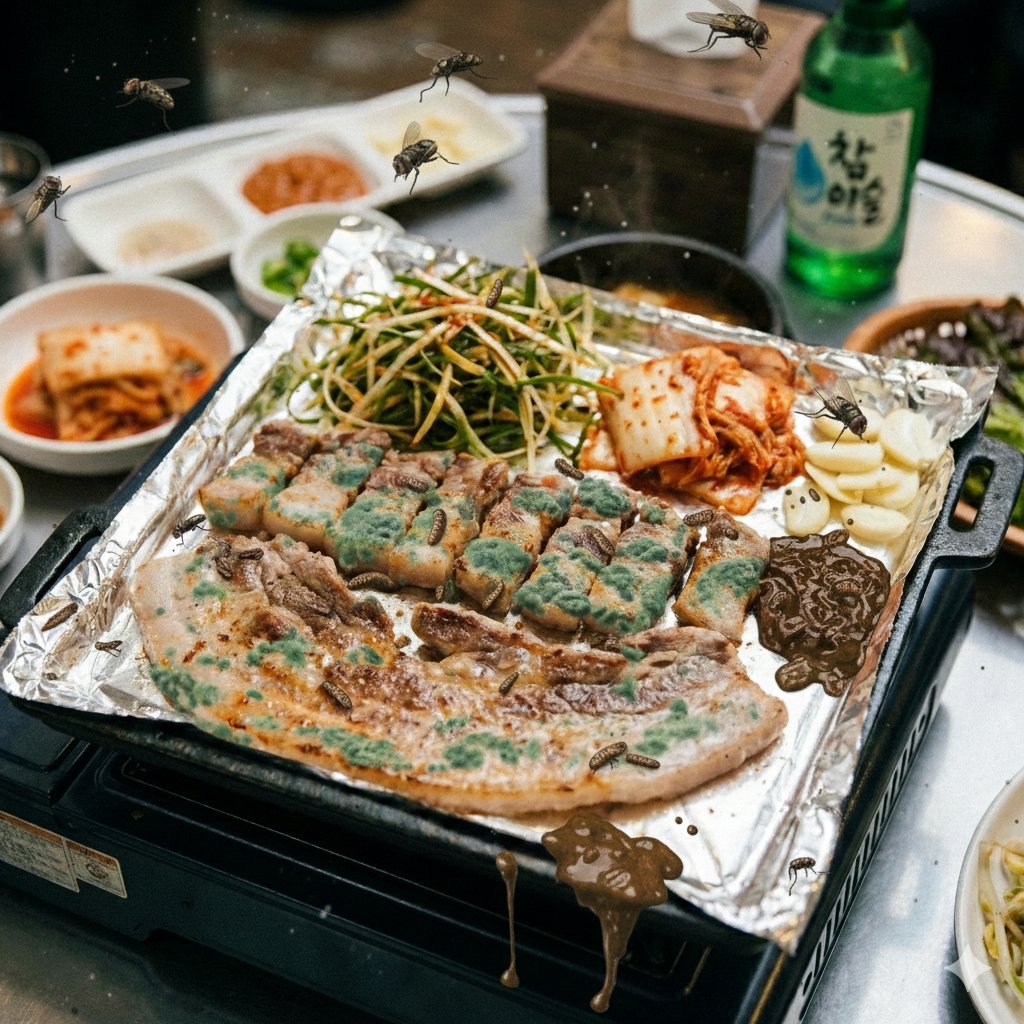
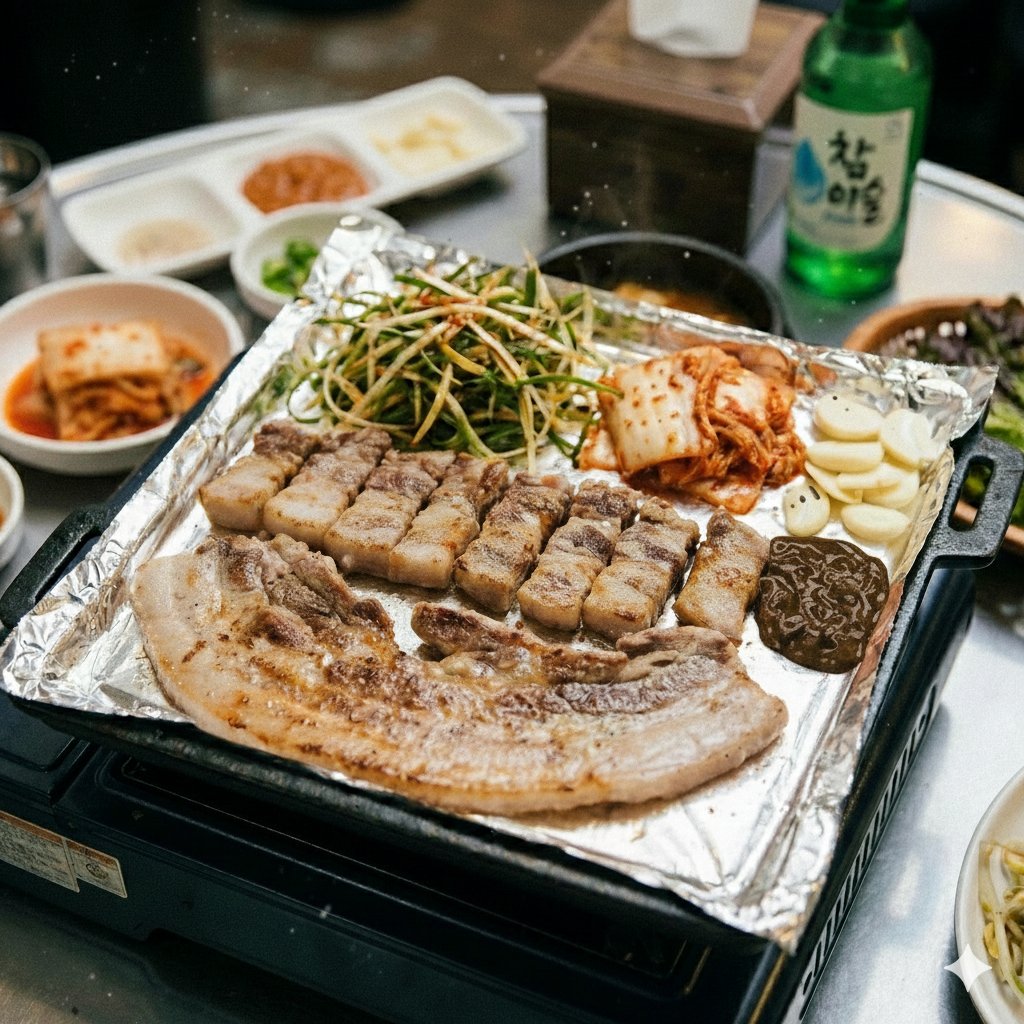
In the realm of nutritional efficiency, few items score as poorly as 'Naengsam' or frozen pork belly. While the current cultural zeitgeist has romanticized this dish as a nostalgic 'retro' experience, my analysis looks strictly at the biochemistry, not the sentiment. Let’s dispense with the romanticism and look at the data. Pork belly is, by definition, an energy-dense, nutrient-poor substrate. A standard 100-gram serving yields approximately 518 calories, with fat accounting for roughly 53 grams. That is not a meal; that is a metabolic assault. More concerning is the specific lipid profile. Of that fat content, a significant portion is saturated fat—specifically palmitic and stearic acids. Consuming a standard portion (which, let’s be honest, usually exceeds 200g per person in a restaurant setting) provides nearly double the American Heart Association's recommended daily limit of saturated fat (13g). This influx of saturated fatty acids downregulates LDL receptors in the liver, leading to an acute spike in circulating low-density lipoprotein (LDL) cholesterol. Furthermore, the 'frozen' aspect is not merely a method of preservation; it is a marker of degradation. The freezing and thawing process ruptures cell walls, leading to significant 'drip loss'—that unappealing grey fluid you see pooling in the foil. This fluid carries away water-soluble vitamins and minerals, leaving you with little more than a fibrous scaffold of oxidized lipids. 📉
The preparation method of frozen pork belly is a textbook case of carcinogenic manufacturing. Because the meat is sliced thinly, the surface area exposed to heat is maximized relative to its mass. When this fat-laden tissue hits the grill—or worse, the aluminum foil commonly used in 'Naengsam' establishments—we witness the rapid formation of Polycyclic Aromatic Hydrocarbons (PAHs) and Heterocyclic Amines (HCAs). Research indicates that benzo[a]pyrene, a Group 1 carcinogen, is readily formed when animal fats undergo incomplete combustion at temperatures exceeding 200°C. The thinness of frozen belly means it chars quickly, deceiving the diner into eating burnt, carbonized lipids under the guise of 'crispiness.' Moreover, the ubiquitous use of aluminum foil on top of gas burners introduces a heavy metal vector. The combination of high heat, the acidic pH of accompanying kimchi, and the sodium from dipping sauces creates an ideal environment for aluminum leaching. Studies suggest that cooking meat in aluminum foil can increase the aluminum concentration of the food by up to 378%. Considering aluminum’s known neurotoxic potential and its accumulation in human tissue, this cooking method is logically indefensible.
We must also address the systemic inflammation triggered by this meal. The 'Naengsam' experience is rarely an isolated intake of pork. It is physiologically compounded by the high-sodium side dishes (ssamjang, pickled vegetables) and the accompanying alcohol, usually Soju. This triad creates a metabolic disaster. The excessive sodium intake (often exceeding 2000mg in a single sitting) causes immediate vasoconstriction and fluid retention, straining the cardiovascular system. Simultaneously, the ingestion of alcohol effectively halts lipid oxidation. The liver prioritizes the metabolism of ethanol (which it views as a toxin) over the metabolism of fat. Consequently, the massive load of dietary fat you have just consumed is not burned for energy; it is esterified and stored directly as visceral adipose tissue. This process promotes insulin resistance and elevates C-reactive protein (CRP) levels, a primary marker of systemic inflammation. You are not just eating dinner; you are actively inducing a state of postprandial lipemia, where your blood turns turbid with triglycerides, impairing endothelial function for hours after the meal. 🥓
From a strict cost-benefit analysis of human health, frozen pork belly is an illogical dietary choice. It offers low protein bioavailability compared to its caloric load, poses significant oxidative stress risks due to lipid peroxidation in the freezing process, and serves as a vehicle for heavy metals and carcinogens via its cooking method. The nostalgic appeal is a marketing psychological trick designed to bypass your survival instincts. There is no 'retro' charm in atherosclerosis or cellular DNA damage. If you value cellular integrity and vascular health, this cut of meat belongs in the incinerator, not your digestive tract.
📌 Truth Summary
- Lipid Toxicity: 100g contains ~53g fat; excessive saturated fatty acids rapidly spike LDL cholesterol and promote arterial plaque.
- Carcinogen Synthesis: Thin slicing maximizes surface area for high-heat charring, creating Group 1 carcinogens like Benzo[a]pyrene (PAHs).
- Neurotoxic Leaching: Cooking on aluminum foil with heat and salinity facilitates the transfer of aluminum into the meat, posing neurotoxicity risks.
- Nutrient Degradation: The freezing/thawing cycle causes cell rupture and 'drip loss,' flushing out micronutrients while retaining oxidized, rancid fats.