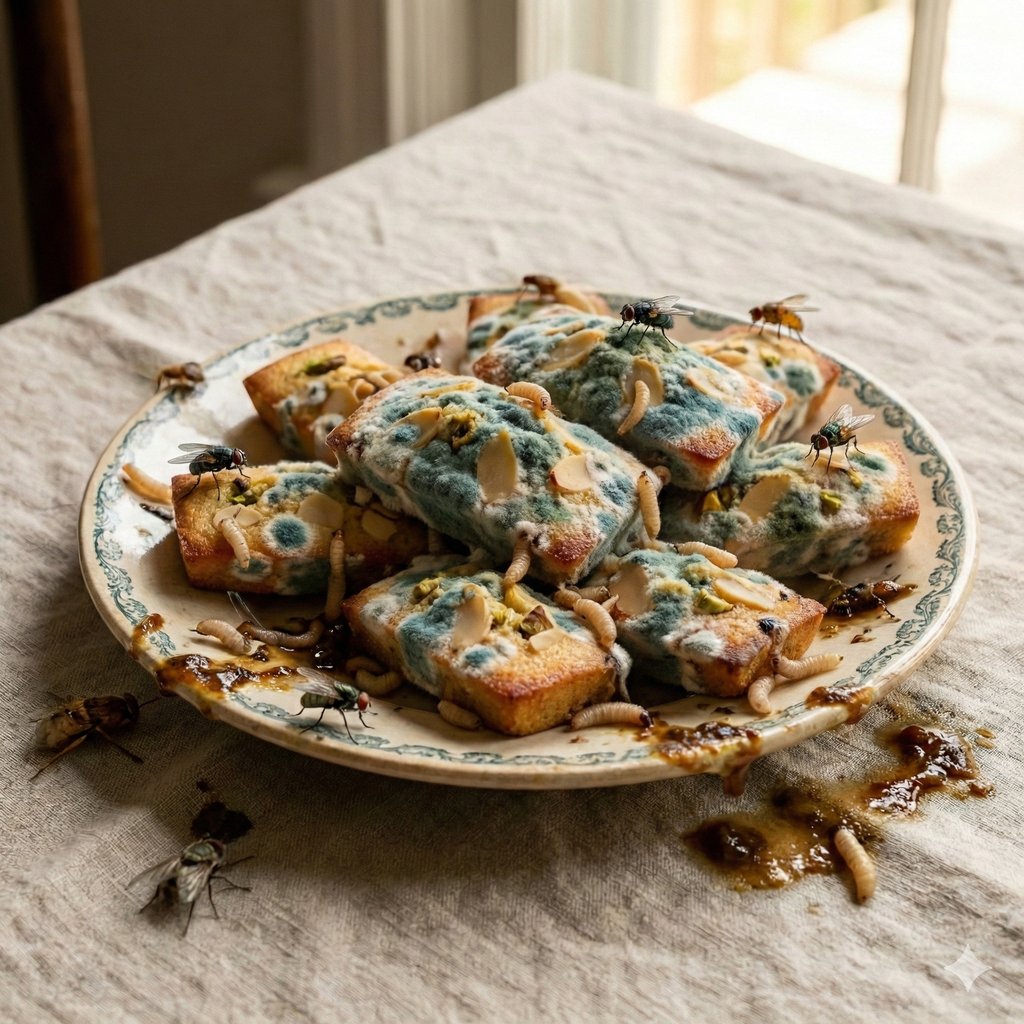
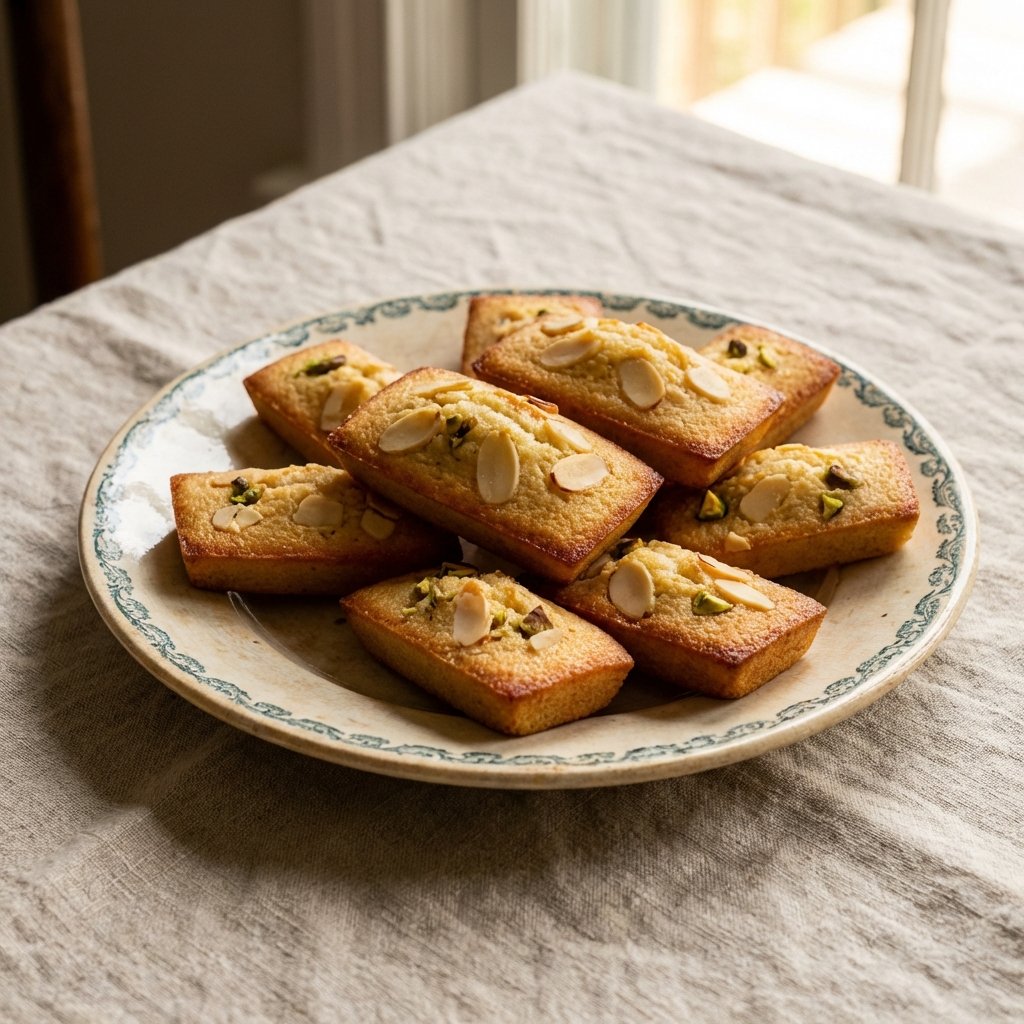
Let’s dissect the 'Financier.' To the untrained eye and the undisciplined palate, it is a sophisticated French confection—a small, rectangular cake resembling a gold bar, often paired with an overpriced espresso. To a physiologist or anyone who understands basic biochemistry, it is a dense, efficient delivery system for oxidized lipids and refined carbohydrates. The romanticism surrounding this pastry is dangerously misleading. You aren't eating a delicate treat; you are consuming a caloric density bomb that rivals emergency rations, but with zero nutritional utility. A standard financier, weighing a mere 40 to 50 grams, easily packs between 180 and 220 calories. To put that into perspective, you are ingesting nearly 4.5 calories per gram. This is the caloric density of pure cheddar cheese, but composed almost entirely of sugar and damaged fats. The visual deception is the first offense; its small size bypasses your psychological satiety signals, encouraging the consumption of two or three in a sitting, resulting in a 600-calorie surplus that offers your body nothing but inflammation. 📉
The core 'delicacy' of a financier is beurre noisette, or brown butter. Culinary enthusiasts wax poetic about its nutty aroma, but let’s analyze what is actually happening here chemically. To create brown butter, one must heat butter past its melting point until the milk solids burn. This process triggers the Maillard reaction, which is delicious, yes, but it also generates Advanced Glycation End-Products (AGEs). AGEs are implicated in the stiffening of arterial walls, oxidative stress, and the acceleration of cellular aging. Furthermore, by heating the butter to this extent, you are likely oxidizing the cholesterol found within the animal fat. Oxidized cholesterol is significantly more atherogenic (plaque-forming) than non-oxidized cholesterol. You are essentially pre-loading your bloodstream with the building blocks of atherosclerosis. A single financier can contain up to 10 grams of fat, of which 60% is saturated. When you consume this distinct form of heat-treated saturated fat alongside a high load of refined sugar, you create the perfect metabolic storm for spiking Low-Density Lipoprotein (LDL) and inducing endothelial dysfunction. Your arteries do not care about the French tradition; they care about the lipid peroxidation occurring in your bloodstream.
Then we must address the almond flour fallacy. Many consumers rationalize this pastry because the base is ground almonds rather than just wheat flour. 'It has protein,' they tell themselves. This is a delusion. While raw almonds have a healthy lipid profile, grinding them into flour and subjecting them to high oven temperatures (often 200°C/400°F or higher to get that 'crisp' edge) exposes the delicate polyunsaturated fats (PUFAs) in the nut oils to oxidation. Rancid, oxidized PUFAs are highly inflammatory. Moreover, the ratio of sugar to flour in a financier is grotesque. A classic recipe calls for a near 1:1 ratio of sugar to dry ingredients. We are looking at 15 to 20 grams of refined sugar in a tiny rectangle. This massive influx of glucose, unaccompanied by fibrous structural integrity, shoots straight into the bloodstream. The insulin spike is immediate. Because the fat content is also high, the clearance of this glucose is delayed—a phenomenon known as the Randle Cycle, where fatty acids compete with glucose for oxidation, leading to prolonged postprandial hyperglycemia. You are effectively stressing your beta cells while simultaneously bathing your tissues in inflammatory fats. 🧈
Finally, we cannot ignore the carcinogen potential. The signature feature of a financier is its dark, golden-brown crust. This color is achieved through the reaction of sugars and amino acids (from the almonds and egg whites) under high heat. This is the textbook condition for the formation of Acrylamide, a Group 2A probable human carcinogen. The darker the crust—which is the desired aesthetic of this pastry—the higher the concentration of acrylamide. When you bite into that 'perfectly crisp' edge, you are ingesting a byproduct of thermal processing that health agencies worldwide advise minimizing. Commercial versions are even worse, often laden with invert sugar syrups to retain moisture and preservatives like potassium sorbate to extend shelf life, adding a layer of chemical processing to an already nutritionally bankrupt food item. Stop romanticizing this brick of metabolic damage. It is not a reward; it is a physiological penalty.
📌 Truth Summary
- Lipid Peroxidation: The 'beurre noisette' creates Advanced Glycation End-Products (AGEs) and oxidized cholesterol, directly contributing to arterial stiffening.
- Caloric Density Trap: At ~4.5 calories per gram, it is an energy-dense, nutrient-poor block that bypasses satiety signals, leading to rapid overconsumption.
- Acrylamide Formation: The signature dark, crisp crust is a result of high-heat Maillard reactions, generating probable carcinogens (acrylamides).
- The Almond Myth: High oven temperatures oxidize the healthy fats in almond flour, turning potential nutrients into inflammatory agents.