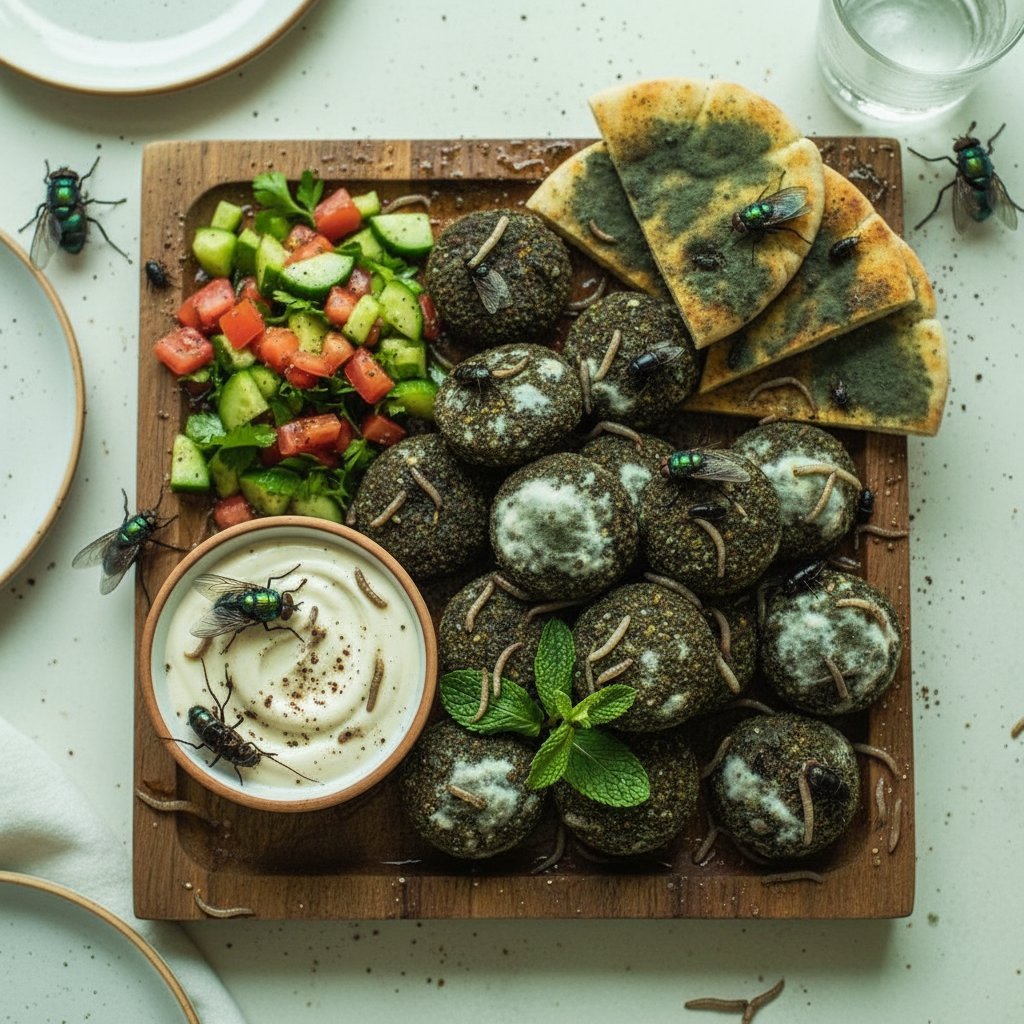
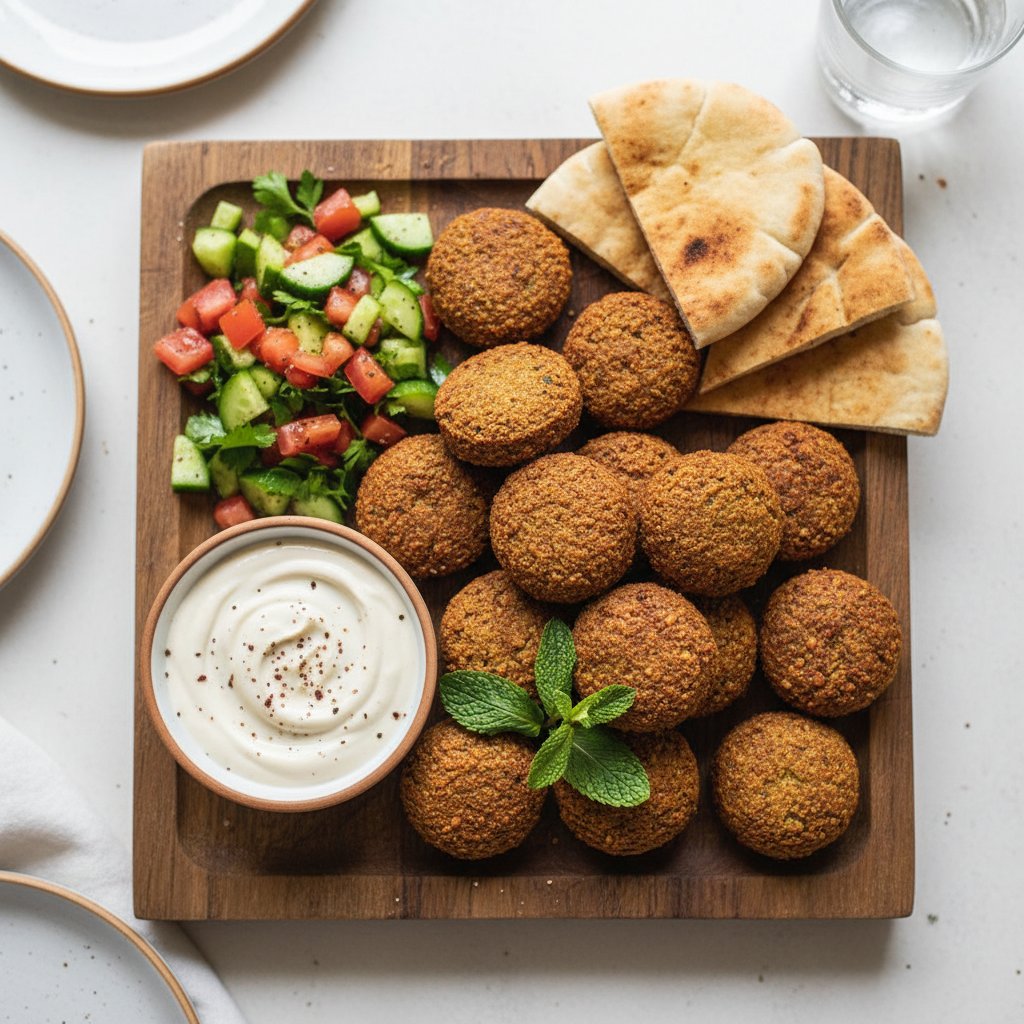
Let us dispense with the pleasantries and the cultural romanticism immediately. There is a pervasive, almost delusional narrative within the wellness community that falafel represents a pinnacle of plant-based nutrition. This 'health halo' is constructed entirely on the presence of the chickpea, a legume that, in its boiled or steamed state, offers a respectable profile of fiber and protein. However, the moment that chickpea mash is submerged into a vat of boiling oil, the nutritional integrity is not merely compromised; it is obliterated. Analytically speaking, falafel is a sponge. Its porous structure, created by the grinding of chickpeas and herbs, creates the perfect surface area for maximum lipid absorption. When you consume a standard serving of three to four falafel balls, you are not primarily eating legumes; you are eating a vehicle for oxidized vegetable oil. Raw chickpeas contain approximately 164 calories per 100 grams with minimal fat. Deep-fried falafel skyrockets to over 333 calories per 100 grams, with fat content surging to nearly 18 grams. You are essentially doubling the caloric density while introducing a massive load of empty, inflammatory energy. To classify this as 'healthy' simply because it is vegan is a logical fallacy of the highest order. It is a fritter. It is fast food. Treat it as such. 📉
The biochemical ramifications of the frying medium are arguably more concerning than the caloric surplus. Commercial establishments rarely use stable, high-quality fats for deep frying due to cost. Instead, your falafel is likely bathing in industrial seed oils—soybean, canola, or sunflower oil—rich in Omega-6 polyunsaturated fatty acids (PUFAs). While essential in trace amounts, the modern diet already possesses a grotesque Omega-6 to Omega-3 ratio, often exceeding 15:1, driving systemic chronic inflammation. Furthermore, the chemistry of deep-frying involves subjecting these unstable oils to sustained high temperatures (170°C–190°C). This thermal stress triggers lipid peroxidation, breaking down the oil into toxic byproducts including aldehydes, specifically 4-hydroxy-trans-2-nonenal (HNE). These compounds are cytotoxic and mutagenic, linked to cellular damage and oxidative stress. Additionally, in a restaurant setting, oil is reused repeatedly. Each cycle of heating and cooling lowers the smoke point and increases the concentration of polar compounds. When you bite into that crispy exterior, you are ingesting a cocktail of free radicals and degraded lipids that your liver must then work overtime to metabolize. It is a pro-inflammatory bomb wrapped in a crunchy texture.
Beyond the oil, we must address the formation of Acrylamide, a chemical compound that forms in certain foods during high-temperature cooking processes, such as frying. Acrylamide is a byproduct of the Maillard reaction, occurring when the amino acid asparagine reacts with reducing sugars. Chickpeas are rich in both. Consequently, falafel creates the perfect storm for acrylamide synthesis. The International Agency for Research on Cancer (IARC) classifies acrylamide as a Group 2A carcinogen, meaning it is 'probably carcinogenic to humans.' While regulatory agencies debate the 'safe' limits, from a strict biological optimization standpoint, voluntarily ingesting known carcinogens under the guise of eating 'clean' is nonsensical. The darker the crust of your falafel—often touted as the most flavorful part—the higher the concentration of these Advanced Glycation End Products (AGEs). AGEs are implicated in the acceleration of aging, stiffening of blood vessels, and the promotion of neurodegenerative diseases. You are trading cellular longevity for the momentary sensory gratification of a fried crust. 🧪
Finally, we cannot evaluate falafel in a vacuum; we must analyze the delivery mechanism. Falafel is rarely consumed in isolation. It is traditionally served inside a pita pocket (refined white flour, high glycemic index) and doused in sauces. While tahini offers some nutritional value, it is extremely calorie-dense. However, many commercial variations utilize sodium-laden pickles and sauces to compensate for the dryness of the fried chickpea interior. A single falafel wrap can easily exceed 1,000 milligrams of sodium—nearly half the recommended daily limit—causing acute water retention and elevated blood pressure. Furthermore, the high heat of frying destroys heat-sensitive vitamins found in the raw ingredients, specifically Vitamin C and certain B-complex vitamins. What remains is a macronutrient profile heavily skewed toward fat and refined carbohydrates, with a protein-to-calorie ratio that is inefficient for muscle synthesis or satiety compared to non-fried alternatives like hummus or stewed legumes. In conclusion, falafel is a culinary deception. It is not a protein staple; it is a high-fat, potentially carcinogenic treat that should be relegated to the 'occasional indulgence' category, far away from any serious health protocol.
📌 Truth Summary
- Item1: Lipid Absorption Mechanics: The porous structure of ground chickpeas absorbs substantial amounts of oil, increasing caloric density by over 100% compared to the raw ingredient.
- Item2: Carcinogenic Byproducts: High-heat frying of starchy legumes creates Acrylamide (Group 2A carcinogen) and Advanced Glycation End Products (AGEs) which accelerate aging.
- Item3: Inflammatory Oxidation: Commercial usage of thermally stressed Omega-6 seed oils introduces aldehydes and free radicals, promoting systemic inflammation.
- Item4: Micronutrient Degradation: Deep-frying destroys heat-sensitive vitamins (C and B-complex), leaving a nutrient-poor, sodium-heavy product.