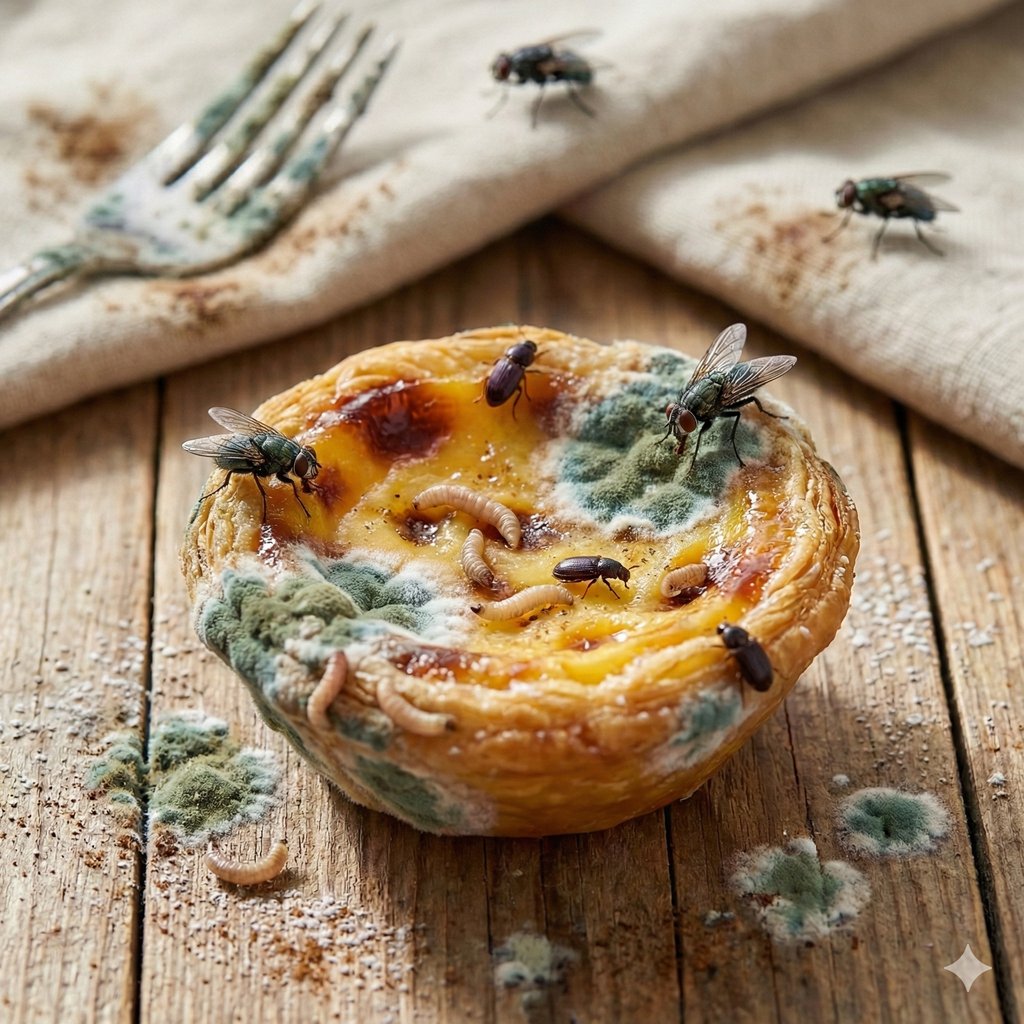
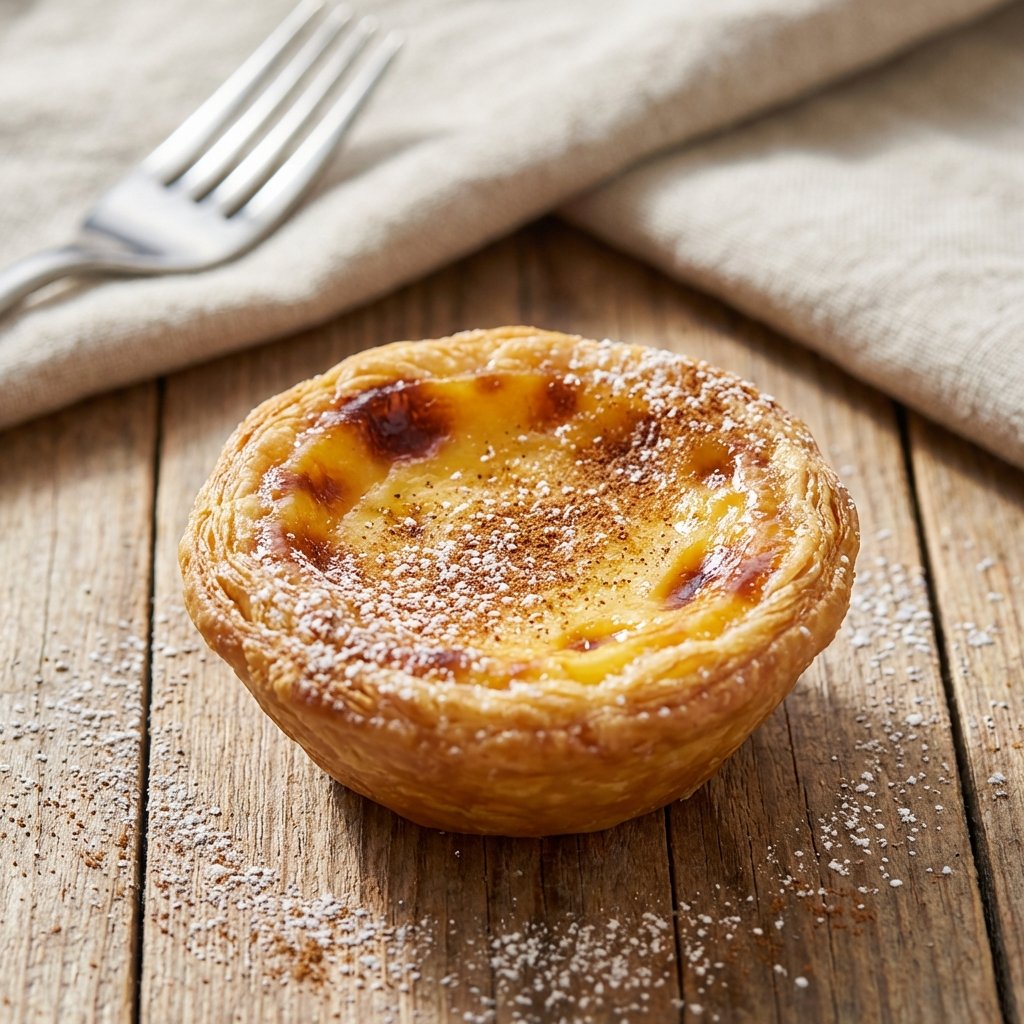
Do not let the diminutive size and warm, golden aesthetic of the egg tart (Portuguese or Hong Kong style) deceive your analytical faculties. To the uneducated palate, it is a delightful treat; to the biochemically aware, it is a compact delivery system for metabolic dysfunction. Let us strip away the marketing romance and look at the cold, hard macronutrient profile. A standard commercial egg tart, weighing a mere 60 to 70 grams, frequently contains between 250 and 350 calories. This caloric density is staggering, rivaling that of processed fast food burgers gram-for-gram. The primary offender is the crust. Whether it is the flaky puff pastry or the crumbly shortcrust, the structural integrity depends entirely on the lamination of refined white flour with layers of solid fat. In traditional recipes, this is butter; in the industrial versions you are likely consuming, it is often shortening or margarine containing hydrogenated oils. You are ingesting a 'lipid bomb' where saturated fats constitute upwards of 60% of the total caloric load. When you bite into that flakey texture, you are essentially eating flour-suspended lard. 🧪
Moving inward to the custard filling, we encounter a deceptive suspension of cholesterol and refined glucose. While eggs are colloquially considered a health food, in this context, they are merely a vehicle for heavy cream and sugar. A single tart can contain over 12 grams of saturated fat—that is nearly 60% of the American Heart Association’s recommended daily limit for a healthy adult, consumed in three bites. The cholesterol content is equally alarming, often exceeding 80mg per tart. When this high dietary cholesterol is combined with a massive surge of saturated fatty acids, it downregulates LDL receptor activity in the liver, keeping low-density lipoprotein (the 'bad' cholesterol) circulating in your bloodstream longer, promoting arterial plaque formation. Furthermore, the custard is sweetened to mask the richness of the fat. This creates a 'bliss point'—a specific ratio of sugar to fat that overrides the body's satiety signals (leptin), biologically compelling you to reach for a second tart despite having consumed a meal's worth of energy. 📉
We must also address the chemical reactions that occur during the baking process, specifically the coveted 'browning' or caramelization on top of the Portuguese-style tart. While culinary enthusiasts praise the Maillard reaction for flavor, from a toxicological perspective, this is a concern. The high-heat interaction between the amino acids in the egg proteins and the reducing sugars creates Advanced Glycation End-products (AGEs). These compounds are notorious for inducing oxidative stress and inflammation. Dietary AGEs accumulate in the body and are structurally similar to the cross-linking that occurs in aging tissues. By consuming these 'perfectly burnt' tops, you are introducing pro-inflammatory agents that contribute to vascular stiffening and the degradation of skin collagen. You are essentially paying to accelerate your cellular aging process. Additionally, if the crust contains starchy refined flour and is baked at temperatures exceeding 120°C (248°F), there is a risk of acrylamide formation, a Group 2A probable human carcinogen. The charm of the 'burnt top' is a carcinogen in disguise.
Finally, the sodium content in these sweet treats is a silent killer often overlooked. Salt is added to the pastry to inhibit gluten development (keeping it tender) and to the custard to enhance sweetness perception. A single tart can hide 150-200mg of sodium. When you combine this sodium with the high glucose load (causing immediate insulin spikes and subsequent fluid retention) and the inflammatory saturated fats, you create a perfect storm for endothelial dysfunction (the stiffening of blood vessel walls). There is zero fiber to mitigate the absorption of this glucose, meaning your blood sugar skyrockets immediately, taxing your pancreas. From a nutritional standpoint, the egg tart offers almost no bioavailable micronutrients—no significant vitamins or minerals—only empty energy and cellular stress. It is a nutritional void, a momentary sensory pleasure that leaves a long-term biochemical burden on your organs. 🚫
📌 Truth Summary
- Lipid Toxicity: A single tart provides ~60% of your daily saturated fat limit, often using hydrogenated oils that promote arterial plaque.
- Glycation Hazards: The caramelized/burnt top contains Advanced Glycation End-products (AGEs) which accelerate cellular aging and vascular stiffening.
- Insulin Shock: The lack of fiber combined with refined sugar causes rapid glucose spikes, promoting insulin resistance and metabolic syndrome.
- Caloric Deception: At ~300 calories per small serving, the energy density is dangerously high, offering zero satiety and encouraging overconsumption.