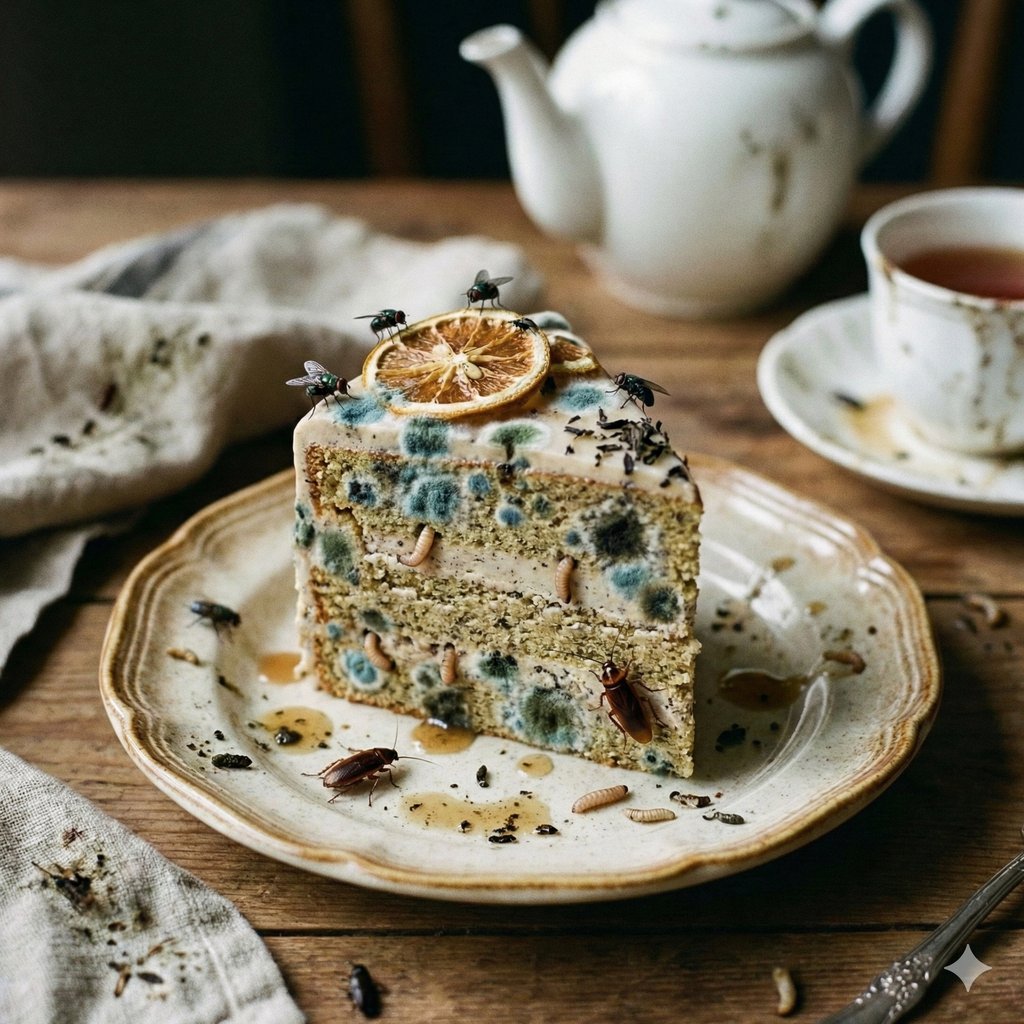
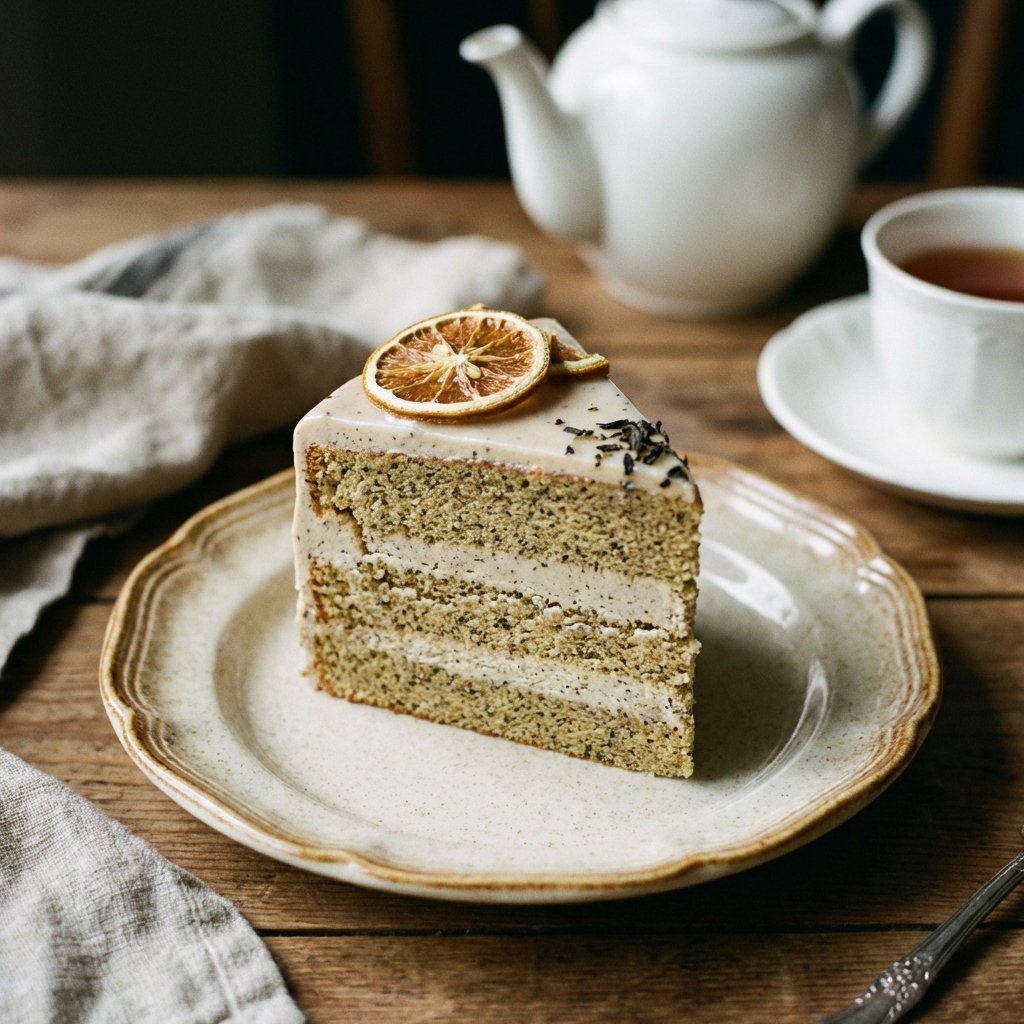
Do not mistake the visible flecks of tea leaves for nutritional value; the Earl Grey cake is a masterclass in deception, masking a metabolic assault behind an aroma of sophisticated bergamot. While you may perceive this dessert as a 'lighter' alternative to chocolate ganache or cheesecake, the cold hard data suggests otherwise. A standard café slice of Earl Grey chiffon or sponge cake, heavily laden with tea-infused buttercream, clocks in at a staggering 700 to 850 calories. To put this into perspective, you are consuming roughly 40% of the daily energy requirement for an average sedentary woman in a single sitting, with zero micronutrient density to justify the load. The sponge itself is a matrix of refined wheat flour—stripped of fiber and bleaching the grain of its natural vitamins—and white sugar. When this high-glycemic index carbohydrate hits your digestive system, it rapidly breaks down into glucose, flooding your bloodstream. 📉 The inclusion of tea is chemically negligible; the antioxidant catechins found in Earl Grey are denatured by the high baking temperatures (180°C+) and rendered useless, leaving you with nothing but the tannins' bitterness to cut through the cloying sweetness of 60 grams of refined sucrose.
Let us dissect the lipid profile, which is arguably the most dangerous component of this confection. The 'light and airy' texture of the Earl Grey buttercream is achieved through the emulsification of massive quantities of saturated fats. We are looking at approximately 45 grams of total fat per slice, with saturated fat accounting for nearly 25 grams—exceeding the American Heart Association's recommended daily limit in one go. The primary lipid sources are usually butter or palm oil-based shortening, both rich in palmitic acid, a long-chain saturated fatty acid explicitly linked to the raising of Low-Density Lipoprotein (LDL) cholesterol. This is not the healthy fat found in avocados or nuts; this is pro-inflammatory sludge that contributes to arterial stiffness. Furthermore, to stabilize the tea flavor within the fat matrix, commercial bakeries often utilize hydrogenated vegetable oils containing trans fats, which are scientifically proven to damage the endothelial lining of your blood vessels. You are essentially eating a stick of butter flavored with perfume, believing it to be a refined teatime treat. 💀
The 'Earl Grey' aspect itself warrants a forensic examination of ingredients. Authentic Earl Grey derives its flavor from oil of bergamot, a citrus extract. However, in the context of mass-produced or even boutique cakes, natural bergamot is rarely used due to its volatility and cost. Instead, you are ingesting synthetic linalool and other artificial flavoring agents designed to mimic the citrus notes. Moreover, the tea leaves suspended in the batter—often marketed as 'organic' or 'premium'—are frequently low-grade tea dust (fannings) that act as a sponge for environmental toxins. Non-organic tea leaves are known to contain high levels of fluoride and pesticide residues, including glyphosate. When you bake these leaves into a batter containing reducing sugars and amino acids (from the eggs and flour), the Maillard reaction that browns the crust also facilitates the formation of acrylamide, a chemical compound classified as a probable human carcinogen by the IARC. You are not consuming antioxidants; you are consuming a cocktail of synthetic flavorings and potential carcinogens suspended in a lattice of gluten and sugar.
Finally, we must address the immediate physiological aftermath of consuming this 'delicacy.' The combination of high-fructose corn syrup (often used in the soaking syrup to keep the cake moist) and refined flour triggers a violent insulin spike. This forces your pancreas to work overtime, shuttling glucose into your cells where it is immediately converted to triglycerides and stored as visceral fat. Following this spike is the inevitable crash—reactive hypoglycemia—which leaves you brain-fogged, lethargic, and ironically, craving more sugar within two hours. Long-term, the frequent consumption of such high-AGE (Advanced Glycation End-products) foods promotes systemic inflammation and oxidative stress. AGEs are formed when sugars bind to proteins or fats without the controlling action of an enzyme, a process accelerated by baking at high temperatures. These compounds accumulate in your tissues, degrading collagen and elastin, literally accelerating the aging process of your skin and organs. Earl Grey cake is not a treat; it is bio-terrorism on a plate, dressed up in a fake British accent.
📌 Truth Summary
- Caloric Toxicity: A single slice exceeds 750kcal, providing zero satiety while displacing nutrient-dense meals.
- Lipid Profile: Contains 25g+ of saturated fats (120% DV), utilizing palmitic acid-rich fats that spike LDL cholesterol.
- Chemical Mimicry: Relies on synthetic linalool flavorings and pesticide-laden tea dust rather than beneficial antioxidants.
- Glycation Acceleration: High sugar and heat create Advanced Glycation End-products (AGEs), rapidly aging skin and organs.