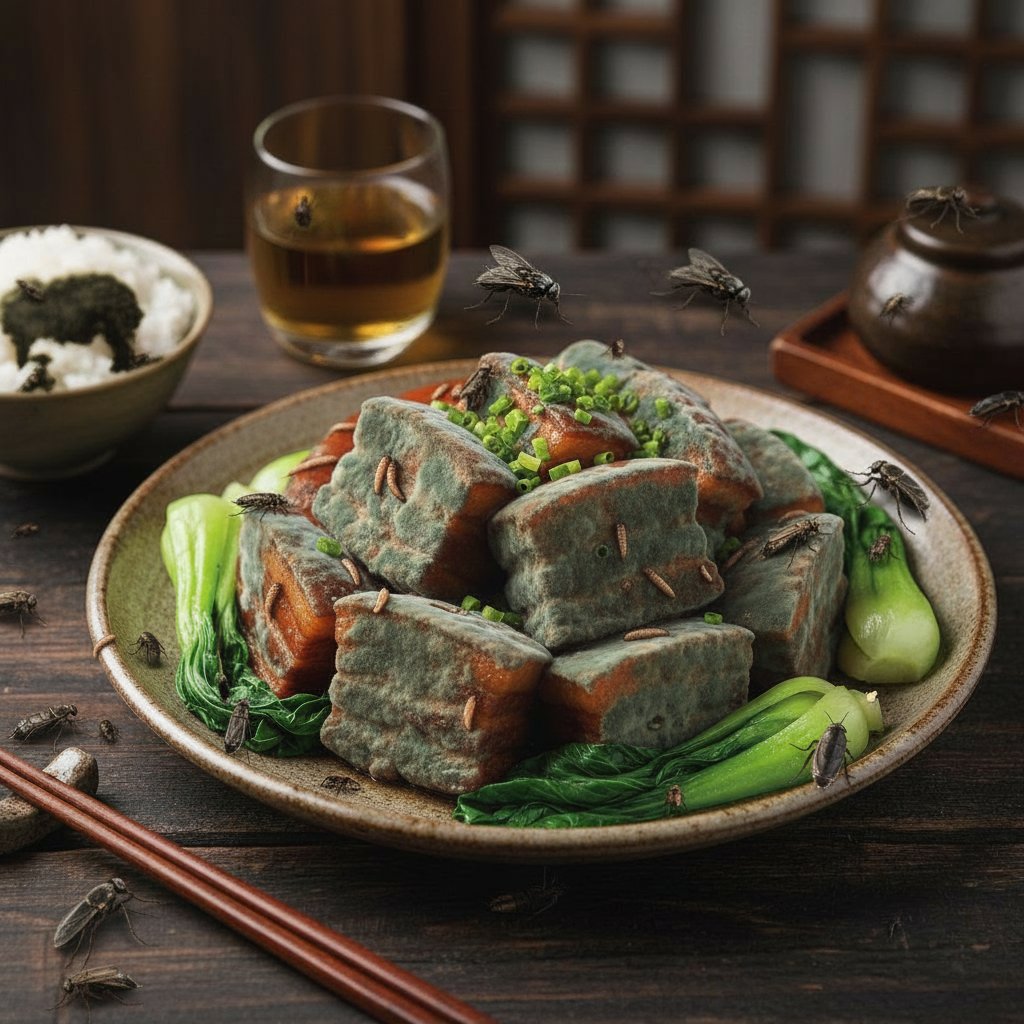
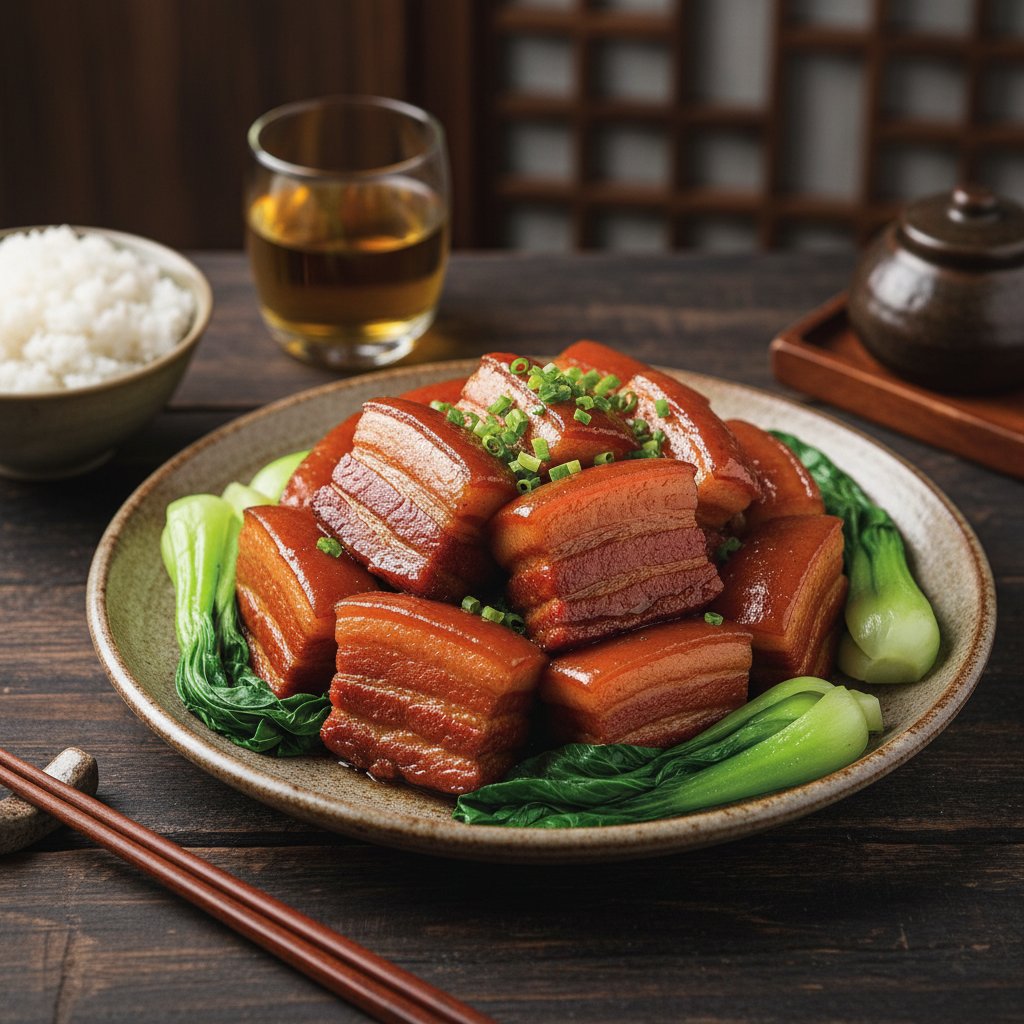
If culinary hedonism had a flagship product, it would undoubtedly be Dongpo Pork. While food influencers wax poetic about its 'melt-in-your-mouth' texture and 'glossy ruby glaze,' a cold, clinical analysis reveals a nutritional profile that reads more like a pathology report than a recipe. Let us strip away the cultural romanticism and look at the biological reality of what you are consuming. The primary component, pork belly, is anatomically composed of alternating layers of meat and subcutaneous fat. However, in this specific cut, the lipid-to-protein ratio is grotesquely skewed. We are looking at a composition that is roughly 50% to 60% pure adipose tissue by weight. When you consume a standard 200-gram serving of Dongpo Pork, you are not fueling your body; you are essentially ingesting a solid block of lard held together by connective tissue. The saturated fat content in such a serving often exceeds 25 grams—well over 100% of the American Heart Association’s recommended daily limit for an adult. This influx of palmitic and stearic acids triggers an immediate physiological response: an increase in low-density lipoprotein (LDL) cholesterol, the primary carrier of cholesterol to your arteries. The 'melt-in-your-mouth' sensation is merely the liquefaction of saturated lipids coating your palate, a sensory trick that masks the fact that you are actively contributing to the calcification of your vascular system with every bite. It is a lipotoxic assault on your endothelium.
Beyond the gross lipid profile, we must address the chemical matrix used to achieve that signature 'red-braised' aesthetic. The glaze is not a benign culinary flourish; it is a hyper-concentrated syrup of sucrose and sodium. Traditional recipes demand significant quantities of rock sugar (crystallized cane sugar) to achieve the viscosity and sheen required for presentation. When combined with the high fat content, this creates a metabolic nightmare known as the 'bliss point'—a specific ratio of sugar, fat, and salt designed to override the brain's satiety signals, encouraging overconsumption despite the massive caloric load. Furthermore, the braising liquid is heavily fortified with soy sauce, both light and dark. A single serving can easily contain over 1,500 milligrams of sodium, nearly 70% of the recommended daily intake. This sodium bomb forces your body to retain water to dilute the salinity in your bloodstream, increasing blood volume and placing immense mechanical stress on arterial walls. For individuals with even a predisposition to hypertension, Dongpo Pork is essentially an edible hypertensive crisis waiting to happen. The combination of insulin-spiking sugar and artery-stiffening sodium creates a systemic inflammation storm that persists long after the meal is finished. 🧪
Let’s discuss the caloric density, which is mathematically indefensible for anyone maintaining a modern, sedentary lifestyle. A modest portion of Dongpo Pork—roughly four small cubes—can range from 800 to 1,200 calories depending on the preparation method and the fat-to-meat ratio of the specific pig. To put this into perspective, to metabolize the energy contained in this single dish, an average 70kg male would need to run at a moderate pace for approximately two hours. This dish represents 'empty density'; while it provides calories, the micronutrient profile is negligible compared to the caloric cost. You are ingesting massive energy with minimal vitamins, minerals, or fiber to mitigate the metabolic impact. The protein provided by the meat is chemically shielded by layers of fat, slowing digestion and leaving you in a prolonged postprandial lipemic state—where fat circulates in your blood for hours, impairing vascular function and promoting the deposition of visceral fat around your internal organs. This visceral adiposity is directly linked to metabolic syndrome, insulin resistance, and Type 2 diabetes. While you savor the tenderness, your pancreas is working overtime to manage the sudden influx of glucose and triglycerides.
Finally, we must analyze the biochemical byproducts of the cooking process itself. The preparation of Dongpo Pork typically involves pan-searing or deep-frying the pork belly before the long braise. This step is crucial for texture but detrimental to cellular health. High-heat treatment of fatty meats generates Heterocyclic Amines (HCAs) and Polycyclic Aromatic Hydrocarbons (PAHs), compounds that are established mutagens and carcinogens. Furthermore, the browning of the sugar and amino acids in the skin creates Advanced Glycation End-products (AGEs). AGEs are implicated in the acceleration of aging, oxidative stress, and the cross-linking of collagen in your body tissues, leading to stiffening of blood vessels and skin. The braising process, while slower, oxidizes the cholesterol in the pork, creating oxysterols, which are far more atherogenic (plaque-forming) than non-oxidized cholesterol. In summary, Dongpo Pork is a trifecta of health risks: it is pro-inflammatory, pro-carcinogenic, and metabolically destabilizing. Eating this is not a treat; it is a calculated risk with poor odds. 🚫
📌 Truth Summary
- Lipid Toxicity: Contains over 100% of daily saturated fat limits per serving, directly elevating LDL cholesterol and promoting arterial plaque.
- Glycemic Hazard: The 'glaze' is a concentrated rock sugar syrup that, combined with fat, disrupts insulin regulation and promotes rapid adipose storage.
- Sodium Overload: A single portion delivers 1,500mg+ of sodium from soy sauce reduction, causing immediate vascular constriction and fluid retention.
- Carcinogenic Compounds: High-heat searing and sugar browning generate AGEs and oxidized cholesterol, increasing oxidative stress and cellular aging.