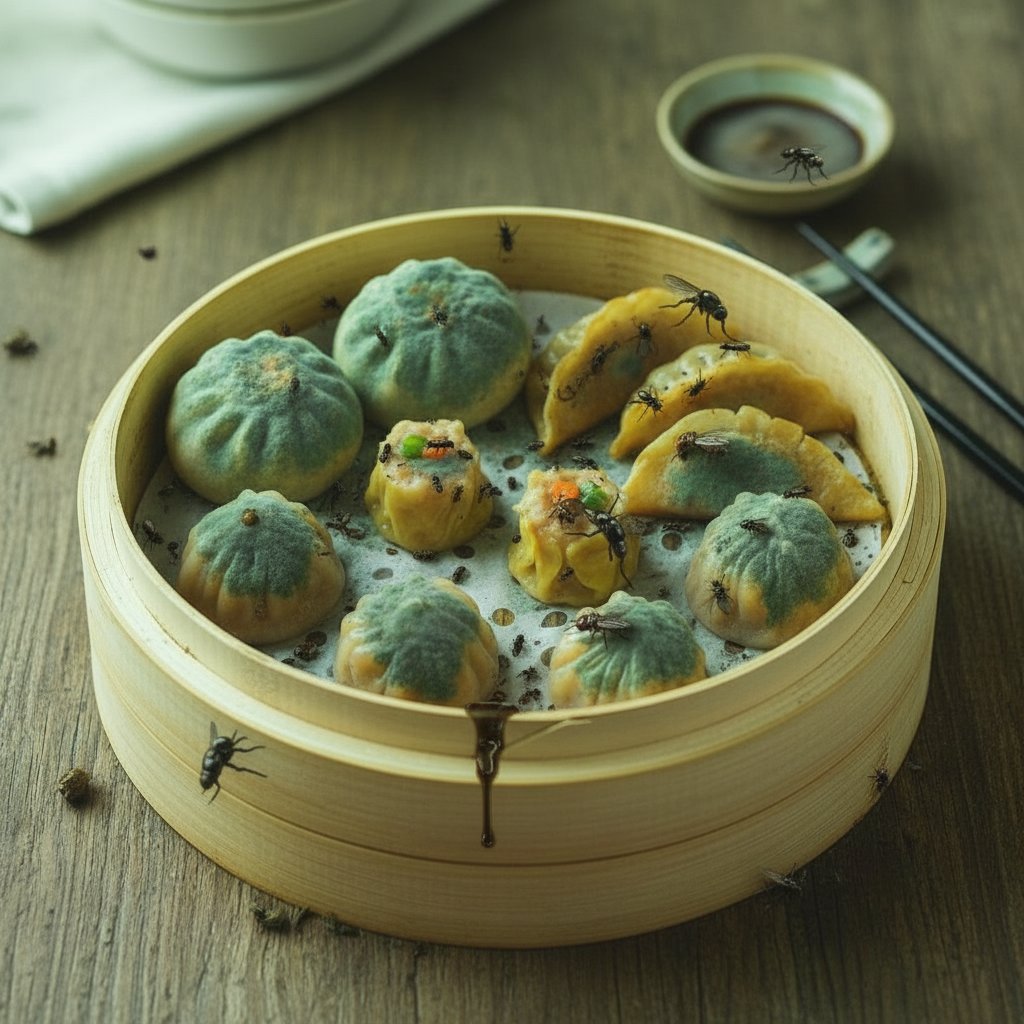
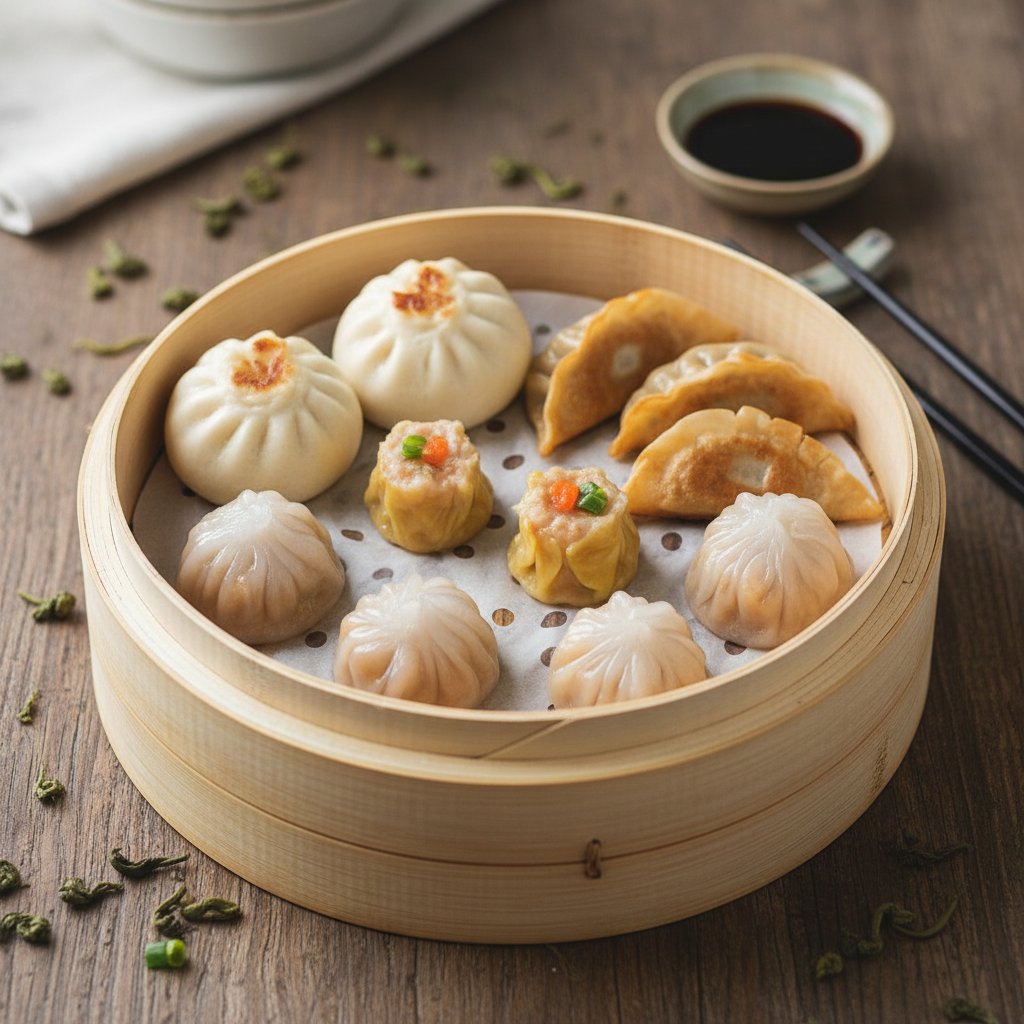
You view Dim Sum as the sophisticated, lighter cousin of the deep-fried egg roll; a cultural experience of 'Yum Cha' that implies a leisurely, healthy morning tea. This is a delusion I am here to dismantle. When you peel back the bamboo steamers, what you are actually consuming is a masterclass in concealing low-quality ingredients, excessive saturated fats, and refined starches behind a veneer of 'gentle' cooking. 🧪 Let’s look at the data, not the aesthetics. The fundamental architecture of a Dim Sum meal is built upon refined carbohydrates. Whether you are reaching for Har Gow (shrimp dumplings) or Cheong Fun (rice noodle rolls), you are ingesting wrappers made from wheat starch, tapioca starch, or refined rice flour. These are stripped of all fiber and micronutrients, offering a Glycemic Index (GI) that rivals pure glucose. A standard serving of Har Gow wrappers enters the bloodstream with rapid velocity, spiking insulin levels and promoting immediate fat storage. You believe you are eating protein; physiologically, you are eating candy. The translucency of the dumpling skin is not a sign of quality; it is a visual indicator of pure, unadulterated starch that will wreak havoc on your insulin sensitivity before the check even arrives.
Let’s analyze the filling, specifically the meat-based disasters like Siu Mai and Xiao Long Bao. You assume the 'juiciness' bursting from these dumplings is natural meat stock or broth. Analyze the composition: traditional Dim Sum recipes rely heavily on 'pork back fat'—pure adipose tissue—mixed into the filling at ratios often exceeding 30% to 40% to achieve that desired texture. Without this massive injection of saturated fat, the lean pork would be tough and dry after steaming. Consequently, a single basket of four Siu Mai can contain over 20 grams of fat, much of it saturated. This is a caloric density bomb, delivering upwards of 400 to 500 calories for a snack that provides zero satiety due to the lack of fiber. Furthermore, the sodium content is egregious. To mask the lack of quality in the meat, fillings are saturated with MSG (monosodium glutamate), dense soy sauce, and oyster sauce. A typical Dim Sum brunch can easily exceed 2,500mg of sodium—over 100% of your recommended daily allowance—in a single sitting. This induces significant water retention and exerts unnecessary pressure on the endothelial lining of your blood vessels. 🩸
The most egregious offender on the table, however, is the Char Siu Bao (BBQ Pork Bun). This item is a textbook example of an ultra-processed health hazard. The white, fluffy dough gets its texture from bleached flour and chemical leavening agents like ammonium bicarbonate, but the real danger lies inside. The filling is 'Char Siu'—Chinese BBQ pork. Processed meats have been classified by the IARC (International Agency for Research on Cancer) as Group 1 carcinogens, placing them in the same category as tobacco smoking regarding colorectal cancer risk. To achieve the signature red hue and sweet flavor, the pork is marinated in a sludge of sugar, molasses, and red food coloring (often Red 40 or similar dyes linked to hypersensitivity), then roasted until charred. The charring process produces heterocyclic amines (HCAs) and polycyclic aromatic hydrocarbons (PAHs), both mutagenic compounds. When you eat a Char Siu Bao, you are consuming a high-sugar, high-glycemic bun filled with nitrate-rich, chemically colored, carcinogenic processed meat. It is arguably one of the most inflammatory items you could possibly put in your body, disguised as a 'fluffy' treat.
Finally, we must address the 'vegetable' options and the fried deviations. Even the seemingly benign dishes like stir-fried greens are often blanched in oil-laden water or smothered in oyster sauce, adding hidden sugars and oxidized fats to what should be a clean dish. The fried items—taro puffs, spring rolls, sesame balls—introduce trans fats and acrylamide, a chemical by-product of high-heat starch cooking linked to cancer risks in animal studies. The prevailing myth is that drinking Pu-erh or Jasmine tea 'washes away' the grease. Biologically, this is nonsense. 📉 Hot water does not dissolve lipids in your digestive tract; it merely accompanies the sludge of saturated fat and refined flour as it moves toward absorption. From a nutritional standpoint, Dim Sum is a calculated assault on your metabolic markers: high glycemic load, excessive sodium, inflammatory fats, and carcinogenic additives. It is not a light meal; it is a heavy burden on your physiology.
📌 Truth Summary
- Insulin Spike: Translucent wrappers are pure refined starch (wheat/tapioca) with zero fiber, causing immediate blood glucose surges identical to sugary confectionaries.
- Hidden Lard: The 'juicy' texture in dumplings like Siu Mai comes from incorporating up to 40% pure pork back fat, driving saturated fat intake to dangerous levels per bite.
- Carcinogenic Filling: Char Siu (BBQ Pork) contains nitrates, artificial red dyes, and charred residues (HCAs/PAHs), classifying it as a Group 1 carcinogen risk for colorectal cancer.
- Sodium Overload: A single meal frequently exceeds 2,500mg of sodium due to MSG and soy-heavy marinades, causing immediate vascular stress and hypertension risks.