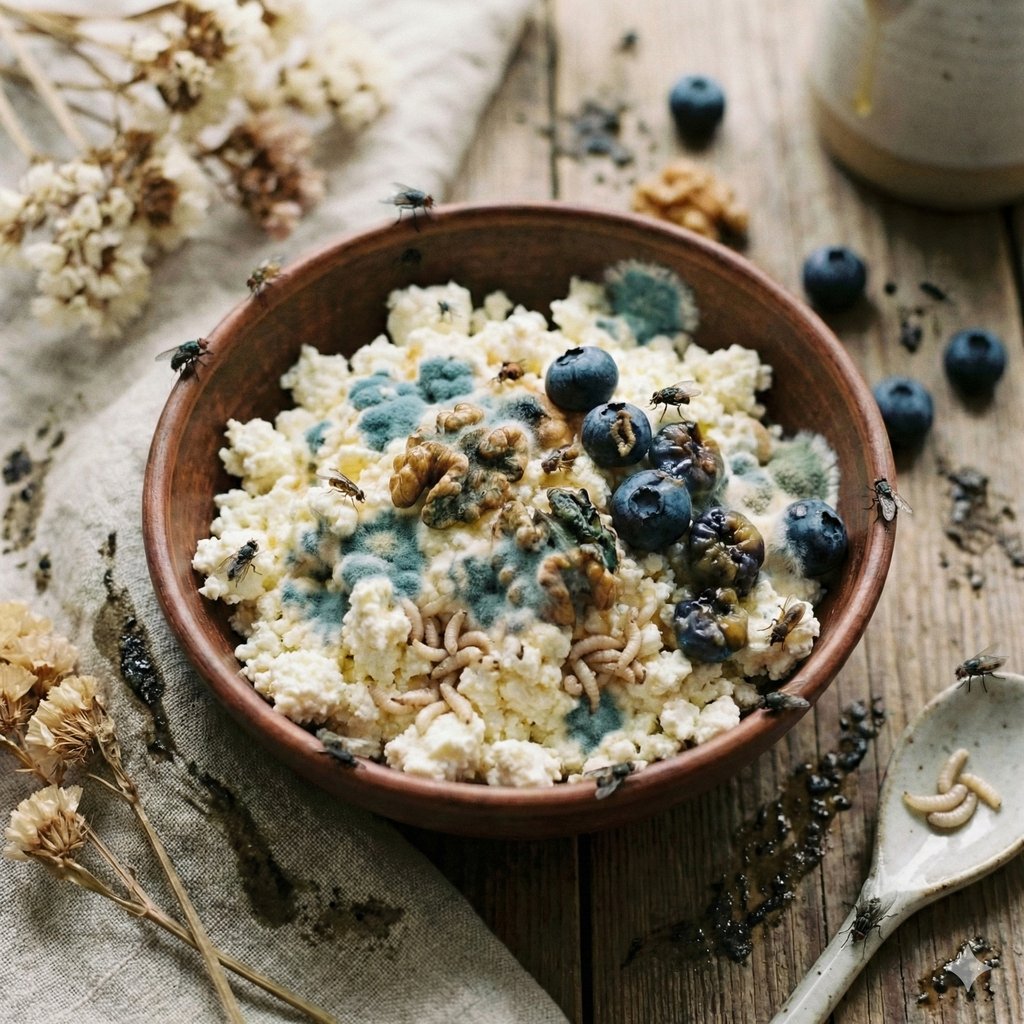
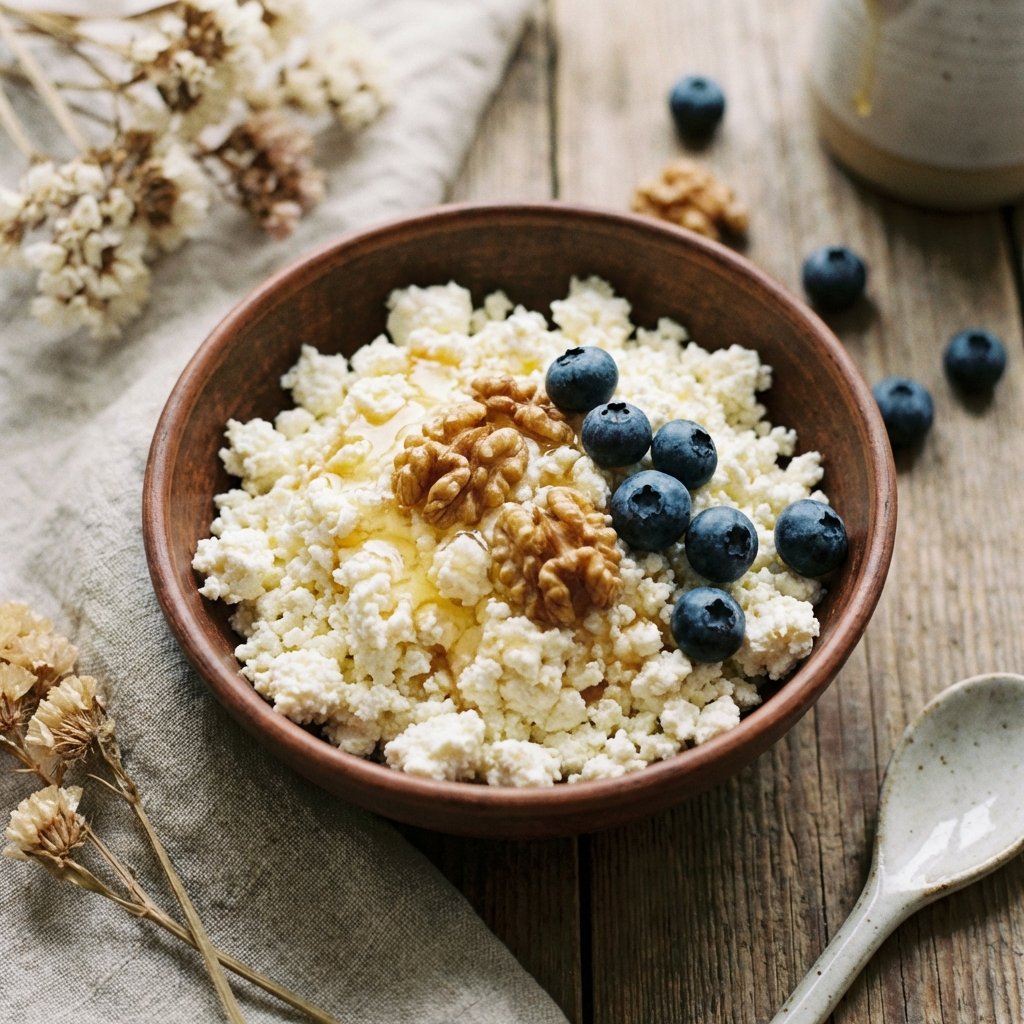
If there is one food item that serves as the unholy mascot of the diet industry's mid-90s obsession with mediocrity, it is cottage cheese. You have likely been brainwashed into viewing these tubs of coagulated milk solids as a 'clean' source of protein, a staple for the fitness-obsessed looking to maximize hypertrophy while minimizing caloric intake. I am here to dismantle that illusion with cold, hard data. While you focus on the macronutrient profile—specifically the protein content—you are conveniently ignoring the toxic payload that accompanies every spoonful of this lumpy, industrial sludge. Let’s begin with the immediate cardiovascular assault: sodium. Cottage cheese is not merely cheese; it is a salt lick disguised as dairy. To arrest the fermentation process and preserve those tasteless curds, manufacturers saturate the product in brine. A single standard cup of low-fat cottage cheese contains between 700mg to 900mg of sodium. To put that into perspective, that is nearly 40% of the American Heart Association's recommended daily limit, packed into a 'light' snack. You are ingesting the sodium equivalent of a large serving of French fries, yet you pat yourself on the back for your dietary discipline. This massive influx of sodium creates an immediate osmotic imbalance, forcing your body to retain water to dilute the salinity in your bloodstream. The result? Systemic edema (bloating) and elevated blood pressure, placing unnecessary strain on your renal system and arterial walls. You are eating for aesthetics, yet the very food you consume induces subcutaneous water retention that obscures muscle definition.
Beyond the hypertensive risks of salt, we must address the hormonal profile of modern commercial dairy. Cottage cheese is fundamentally a concentration of cow's milk, which means it is a concentration of the hormones found within that milk. Unless you are purchasing extremely expensive, grass-fed, raw varieties (which 99% of you are not), you are consuming milk from pregnant cows pumped full of antibiotics and synthetic hormones. The primary concern here is Insulin-like Growth Factor 1 (IGF-1). Cow’s milk is biologically designed to turn a 65-pound calf into a 700-pound cow as rapidly as possible. It is a growth signaling fluid. When humans consume high concentrations of dairy proteins like casein—which makes up the majority of cottage cheese protein—levels of circulating IGF-1 increase. Elevated IGF-1 has been epidemiologically linked to increased risks of prostate, breast, and colon cancers. You are signaling your cells to replicate and grow in an unregulated manner. Furthermore, the protein profile is dominated by A1 beta-casein, a variant formed through genetic mutation in Holstein cows (the primary breed for industrial dairy). Digestion of A1 casein releases beta-casomorphin-7 (BCM-7), an opioid peptide that has been linked to inflammation in the gut and arterial plaque buildup. You are essentially eating an inflammatory agent that slows gut motility and creates a low-grade immune response, all while telling yourself it’s 'healthy' because it fits your macros.
Let us dissect the ingredient label of your favorite 'low-fat' or 'fat-free' variety. When manufacturers remove the natural fat from the curds, they remove the texture and mouthfeel. To compensate for this, and to prevent the separation of liquid whey from the solids, they introduce a chemical slurry of thickeners and stabilizers. The most egregious offender found in many popular brands is Carrageenan. While derived from seaweed, poligeenan (degraded carrageenan) is a potent inflammatory agent used in laboratory settings to induce inflammation in test animals for drug trials. Even 'food grade' carrageenan has been linked to glucose intolerance and intestinal permeability (leaky gut syndrome). Alongside this, you will find Guar Gum, Xanthan Gum, and Modified Food Starch. You are not eating simple cheese; you are eating a chemistry experiment designed to mimic the viscosity of fat. Even more disturbing is the inclusion of Titanium Dioxide in some whitened products—a heavy metal nanoparticle used to ensure the curds look stark white rather than their natural dull yellow. While the EU has banned Titanium Dioxide as a food additive due to genotoxicity concerns (potential damage to DNA), US regulators allow you to spoon it into your mouth without a second thought. If you opt for the 'fruit-on-the-bottom' varieties to mask the sour taste, the scenario worsens: you are adding 15-20 grams of high-fructose corn syrup or processed sugar, spiking your insulin alongside the dairy-induced IGF-1 surge, creating the perfect metabolic environment for fat storage.
Finally, we must acknowledge the palatability and the psychological trap of this food. Cottage cheese is the epitome of 'sad diet food.' It satisfies no culinary desire for texture or flavor, necessitating the addition of sweeteners or salty toppings to make it edible, further degrading its nutritional profile. From a digestive standpoint, the high casein content forms a gelatinous clot in the stomach, which is slow to digest. While the fitness industry touts this as 'slow-release protein' beneficial for night-time recovery, for many, it results in nocturnal fermentation, gas, and disrupted sleep architecture. The acidity of the product, combined with the lactic acid bacteria (often pasteurized to death, meaning you get the acid without the probiotic benefit), can aggravate acid reflux and GERD. We are looking at a food source that is statistically high in sodium, hormonally disruptive, texturally chemically modified, and potential carcinogenic. It is a relic of 20th-century dieting myths that persists solely due to marketing and cheap production costs. 📉 If you respect your biology, leave the curdled milk in the refrigerated aisle.
📌 Truth Summary
- Hypertension Risk: A single cup contains up to 900mg of sodium (nearly 40% of daily value), causing water retention and arterial strain.
- Hormonal Disruption: Concentrates IGF-1 (Insulin-like Growth Factor) and estrogen from commercial dairy, linked to increased cancer risks and acne.
- Gut Inflammation: Often contains Carrageenan and industrial gums to simulate texture, agents linked to intestinal permeability and systemic inflammation.
- The 'Fruit' Trap: Flavored varieties function as dessert, packing 20g+ of processed sugar/fructose, negating protein benefits by spiking insulin.