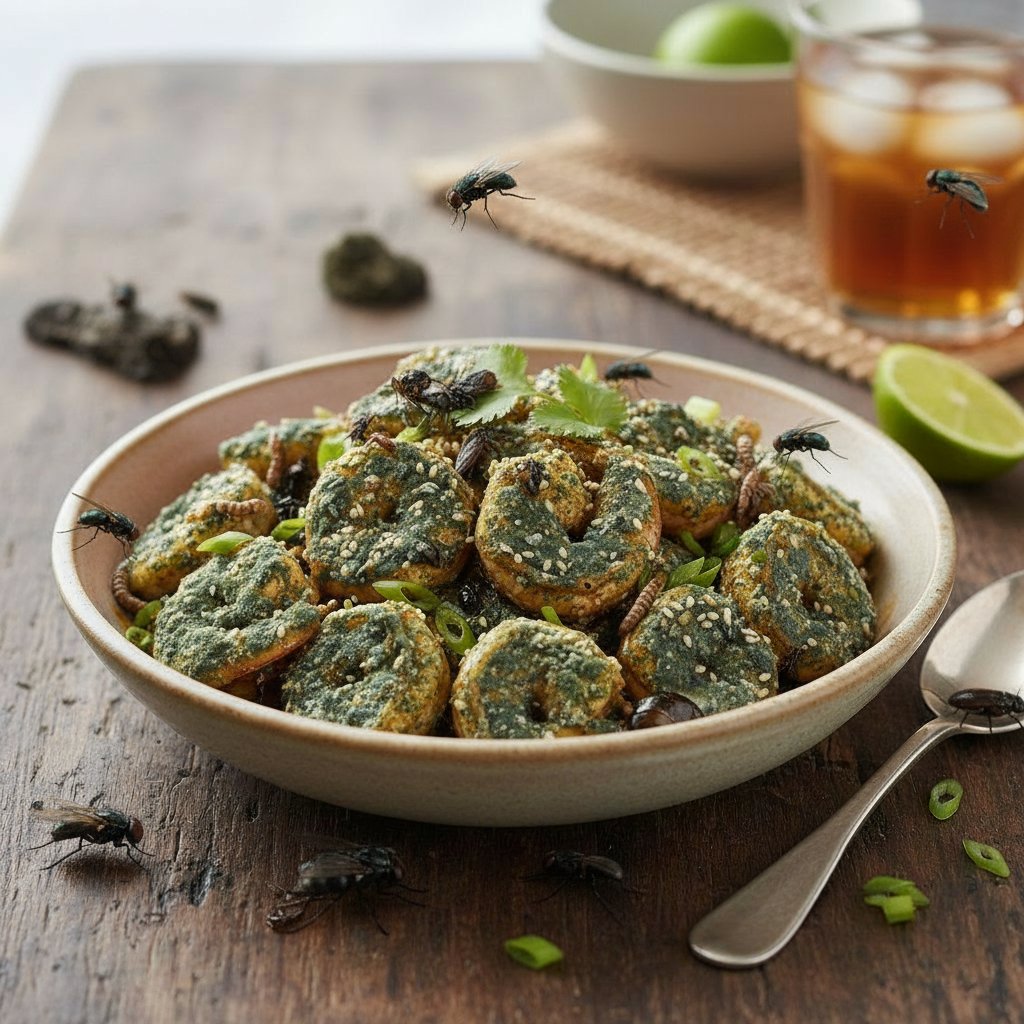
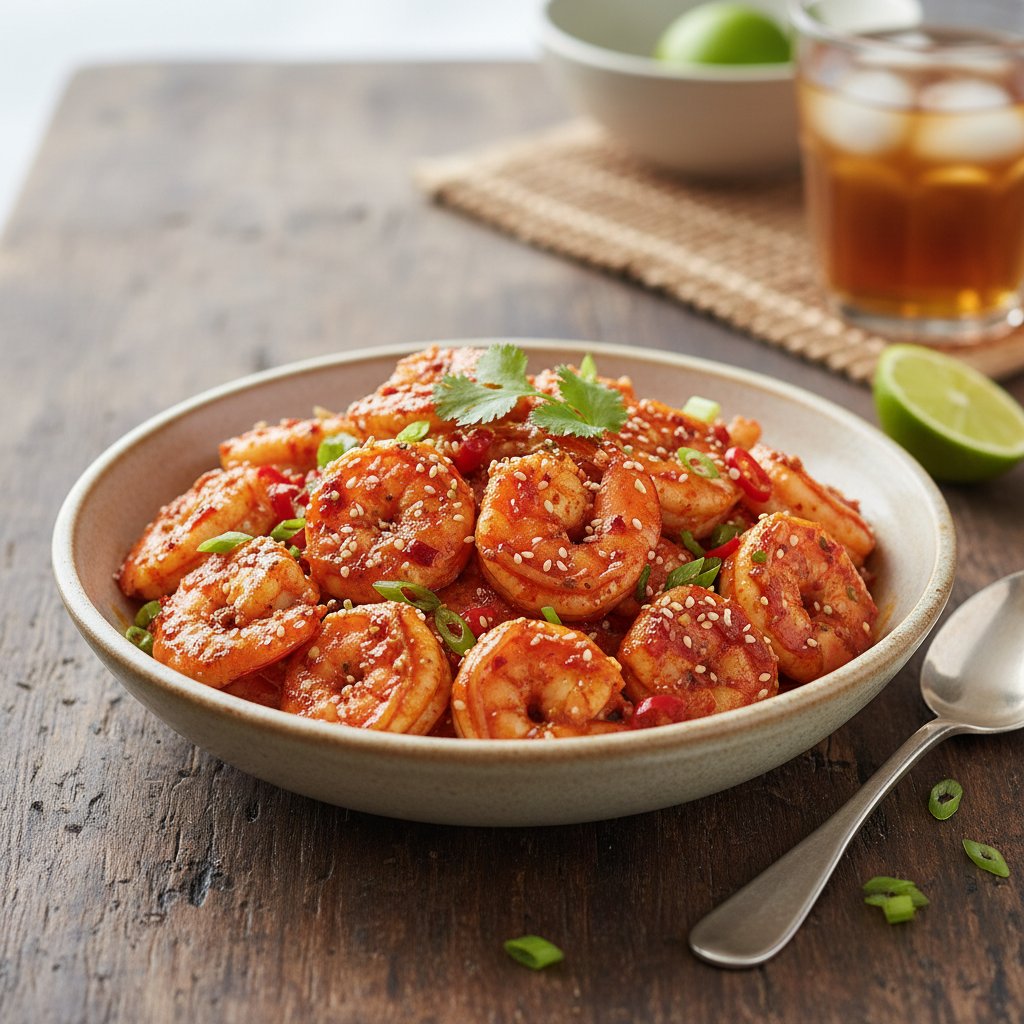
Let us strip away the romanticized notion of 'Chinese-style seafood' and look at the biological reality of what sits upon your plate. Chili Shrimp (칠리 새우) represents one of the most efficient mechanisms for caloric overload and systemic inflammation currently available on a menu. You likely rationalize this order under the guise of consuming seafood—shrimp is, after all, a lean protein rich in selenium and astaxanthin. However, in this preparation, the shrimp is merely a structural vessel for a toxic delivery system of refined carbohydrates and oxidized lipids. When you consume a standard serving of this dish, you are not feeding your body; you are assaulting your metabolic baseline. The preparation involves dredging the protein in a heavy starch slurry—usually cornstarch or potato starch—and submerging it in oil heated to temperatures that fundamentally alter its chemical structure. We are looking at a lipid absorption rate that can exceed 15% to 20% of the total weight. This transforms a 100-calorie portion of protein into a 600-calorie lipid bomb. 📉
Let us analyze the frying medium. Most establishments do not utilize heat-stable, high-quality fats. They utilize cost-effective, highly processed vegetable oils—soybean or canola—which are rich in Omega-6 fatty acids. When these oils are subjected to the high heat required for deep frying, they undergo lipid peroxidation, generating free radicals and aldehydes. These are directly linked to cellular damage and accelerated aging. Furthermore, the battering process creates a high surface area for acrylamide formation. Acrylamide is a chemical compound formed when starchy foods are fried at high temperatures, classified as a probable human carcinogen by the International Agency for Research on Cancer. By consuming the crispy coating that you find so texturally pleasing, you are essentially ingesting a matrix of oxidized fats and potential carcinogens. The ratio of Omega-6 to Omega-3 in this dish is catastrophically imbalanced, promoting a pro-inflammatory state in the body that lingers long after digestion. Your endothelial function—the ability of your blood vessels to dilate and constrict—is compromised almost immediately following a meal of this composition.
However, the frying is only half of the equation. The 'Chili' sauce is a misnomer; it should technically be labeled as a 'High-Fructose Corn Syrup Glaze with Red Dye.' A standard serving of Chili Shrimp sauce contains a sugar load comparable to a can of soda. The viscosity of the sauce is achieved through a reduction of ketchup, sugar, and starch slurry. This combination creates a glycemic load that is terrifyingly high. When you consume this sauce combined with the fried batter, you trigger a rapid spike in blood glucose, forcing your pancreas to flood your system with insulin. Because the fats delay gastric emptying, this high-insulin state is prolonged, encouraging your body to store the incoming energy as visceral adipose tissue—the dangerous fat around your organs. 🚫 The flavor profile is engineered to hit the 'bliss point,' overriding your natural satiety hormones, ghrelin and leptin, making it biologically difficult to stop eating before you have consumed 1,000+ calories in a single sitting.
Finally, we must address the sodium content. A single serving of Chili Shrimp often contains upwards of 1,500mg to 2,000mg of sodium, flirting with the recommended daily limit in one meal. This massive influx of sodium creates an immediate osmotic imbalance. Your body retains water to dilute the salinity, increasing blood volume and placing unnecessary mechanical stress on your arterial walls. This is a recipe for hypertension. The combination of high sodium, high sugar, and high saturated/trans fats creates the 'trifecta of metabolic syndrome.' You may feel a temporary dopamine hit from the hyper-palatable combination of sweet, salty, and fatty flavors, but physiologically, your body is in panic mode. You will likely experience the post-prandial slump—a state of lethargy caused by the diversion of blood flow to the gut to manage the difficult digestion of oxidized fats, coupled with the crash following the insulin spike. From a temperature and taste perspective, this dish is a chaotic, inflammatory mess that should be categorized as a recreational biohazard rather than a meal.
📌 Truth Summary
- Item1: Glycemic Catastrophe: The sauce is primarily sugar and ketchup, causing massive insulin spikes that promote visceral fat storage.
- Item2: Oxidized Lipid Load: Deep-frying in unstable vegetable oils creates pro-inflammatory compounds and potential carcinogens like acrylamide.
- Item3: Sodium Toxicity: A single serving contains near-daily limits of sodium (1500mg+), forcing water retention and spiking blood pressure.
- Item4: Caloric Density: The batter acts as an oil sponge, quadrupling the caloric value of the shrimp with zero nutritional benefit.