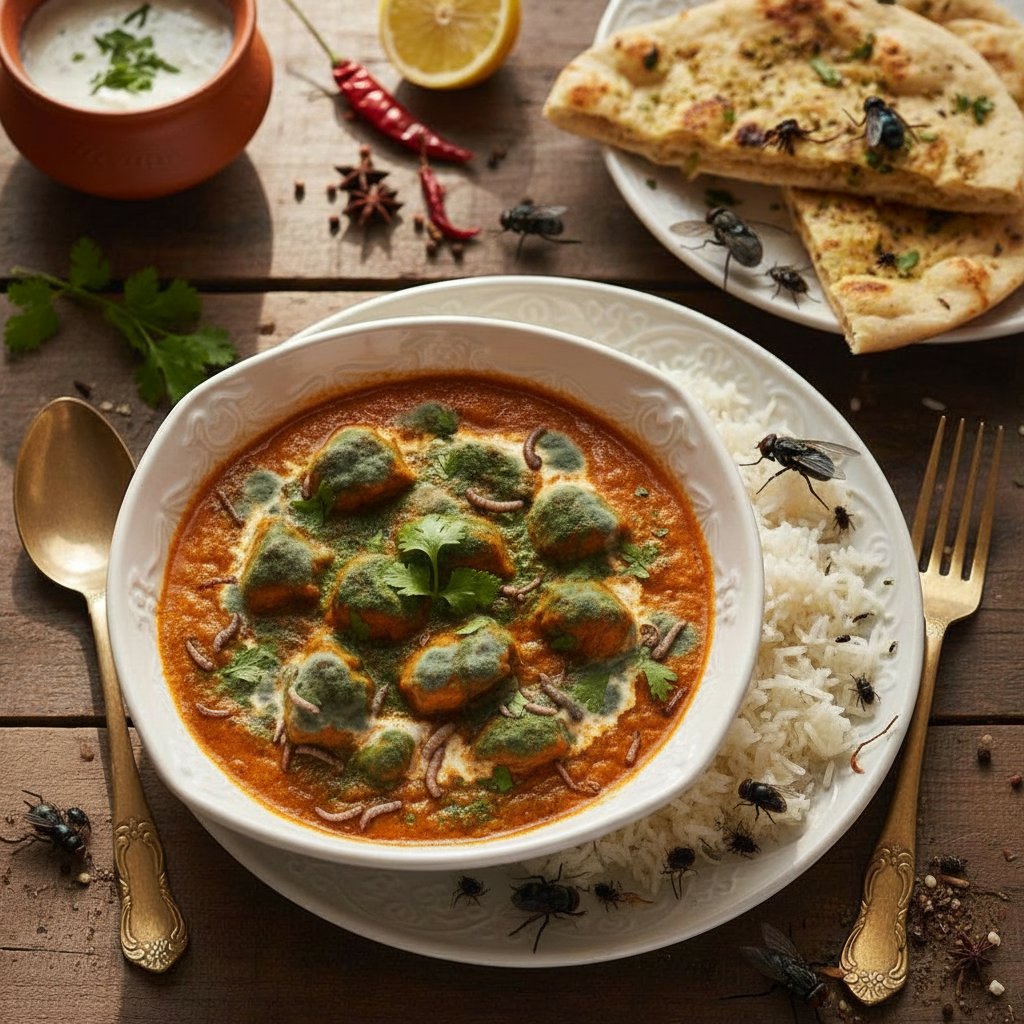
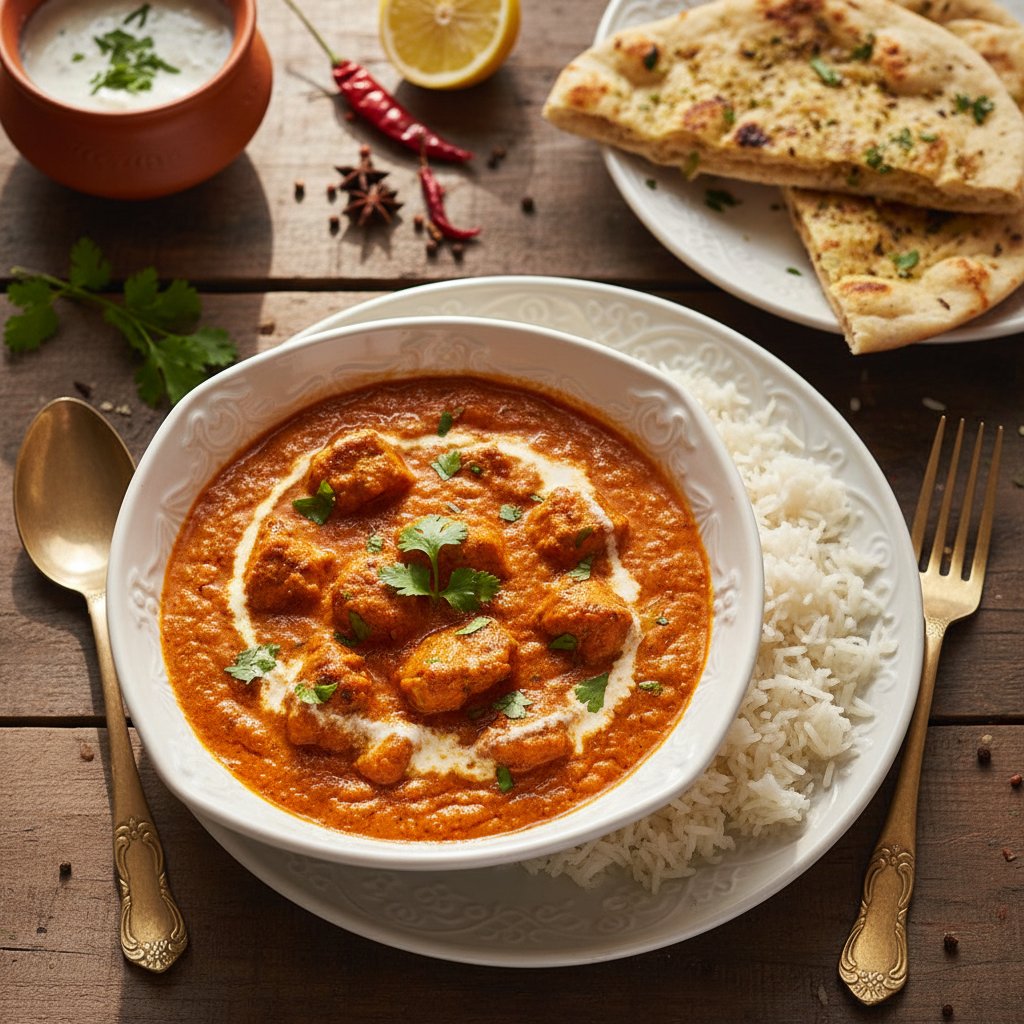
Let us dispense with the culinary romanticism surrounding what is arguably the world's most overrated hybrid dish. Chicken Tikka Masala is not 'comfort food'; it is a biochemical assault on your cardiovascular system masquerading as cultural fusion. While the uneducated palate perceives a rich, velvety sauce, the analytical mind sees a lipid emulsion designed to induce systemic inflammation. The core problem lies in the base of the masala sauce. To achieve that signature viscosity and mouthfeel, restaurants utilize copious amounts of heavy cream (36-40% milk fat) and ghee (clarified butter). A single standard serving of this dish—excluding the obligatory rice and naan—often contains upwards of 50 to 60 grams of fat, with saturated fat accounting for nearly 70% of that volume. We are talking about exceeding the American Heart Association’s recommended daily limit of saturated fat (approx. 13g) by nearly 300% in a single sitting. When you consume this lipid bomb, your postprandial triglycerides skyrocket, impairing endothelial function and restricting blood flow for hours. It is essentially an arterial blockade served in a copper bowl. 📉
Beyond the devastating lipid profile, we must address the osmotic nightmare that is the sodium content. Chicken Tikka Masala is a prime example of the 'bliss point' engineering found in hyper-processed foods, where salt is used to mask the lack of fresh ingredient quality. Laboratory analyses of restaurant-style servings frequently reveal sodium levels ranging from 2,000mg to a staggering 3,000mg per portion. To put this into a clinical perspective, the absolute upper limit recommended for healthy adults is 2,300mg per day. You are consuming an entire day's worth of vasoconstrictive agents in twenty minutes. This massive influx of sodium forces your body to retain water to dilute the toxicity, leading to immediate bloating and a spike in blood pressure that places immense strain on the kidneys and arterial walls. Furthermore, to balance the acidity of the canned tomato paste and the harshness of the spices, chefs add significant amounts of white sugar. This creates a dangerous metabolic environment: high fats combined with high refined sugars, the exact formula required to maximize insulin resistance and promote visceral fat storage.
If the macronutrient imbalance wasn't sufficiently alarming, let us analyze the carcinogenic potential of the dish's preparation and presentation. The 'Tikka' component refers to chicken chunks marinated and grilled in a tandoor at extreme temperatures. While this produces a charred exterior that foodies fetishize, chemically, this process generates Heterocyclic Amines (HCAs) and Polycyclic Aromatic Hydrocarbons (PAHs)—compounds directly linked to DNA mutations and cancer development. But the toxicity doesn't stop at the grill. Have you ever questioned the neon-orange luminosity of the sauce? That is rarely the result of natural turmeric or paprika. In many establishments, specifically lower-tier takeaways, that radioactive glow is achieved through synthetic food dyes like Red 40 (Allura Red) or Yellow 6 (Sunset Yellow FCF). These petroleum-based dyes contain benzidine-4-amino-biphenyl, a known carcinogen. You are essentially ingesting a petroleum byproduct to make your chicken look more 'appetizing.' It is a triumph of aesthetics over biology, and your liver is left to filter out the synthetic sludge.
Finally, we cannot evaluate the dish in a vacuum; we must consider the vehicle of consumption. Chicken Tikka Masala is rarely eaten alone. It is almost invariably accompanied by Garlic Naan and Basmati Rice. The naan is a nutritional void composed of refined white flour (Maida), brushed with more butter, acting as a high-glycemic sponge for the fatty sauce. This combination ensures a rapid glucose spike followed by a precipitous crash—the infamous 'food coma' which is actually a symptom of acute metabolic distress. A typical meal consisting of the curry, one naan, and a portion of rice can easily exceed 1,800 calories—nearly the entire caloric requirement for a sedentary adult female. From an energetic standpoint, the return on investment is abysmal. You are consuming a day's worth of energy but receiving minimal micronutrient density, leading to mitochondrial inefficiency and lethargy. It is a dish optimized for obesity, hypertension, and long-term chronic disease. 🚫
📌 Truth Summary
- Lipid Overload: A single serving often contains 300% of the daily recommended limit of saturated fat due to heavy cream and ghee, promoting arterial plaque.
- Sodium Toxicity: With sodium levels frequently exceeding 2,500mg, this dish induces immediate hypertension and kidney strain.
- Carcinogenic Compounds: Charred chicken contains HCAs, while the sauce often relies on synthetic petroleum-based dyes (Red 40/Yellow 6) for color.
- Glycemic Disaster: When paired with refined flour naan and sugar-laden sauce, the meal causes severe insulin spikes and promotes visceral fat accumulation.