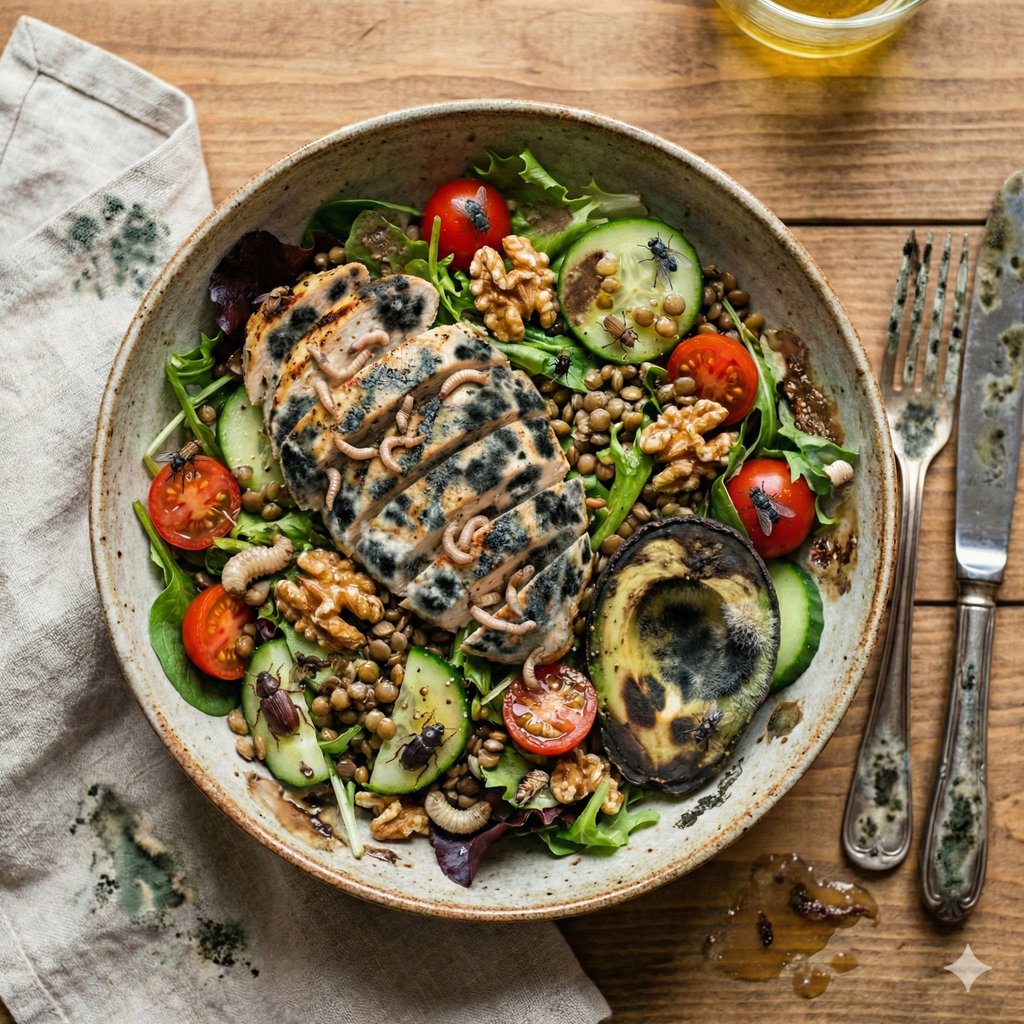
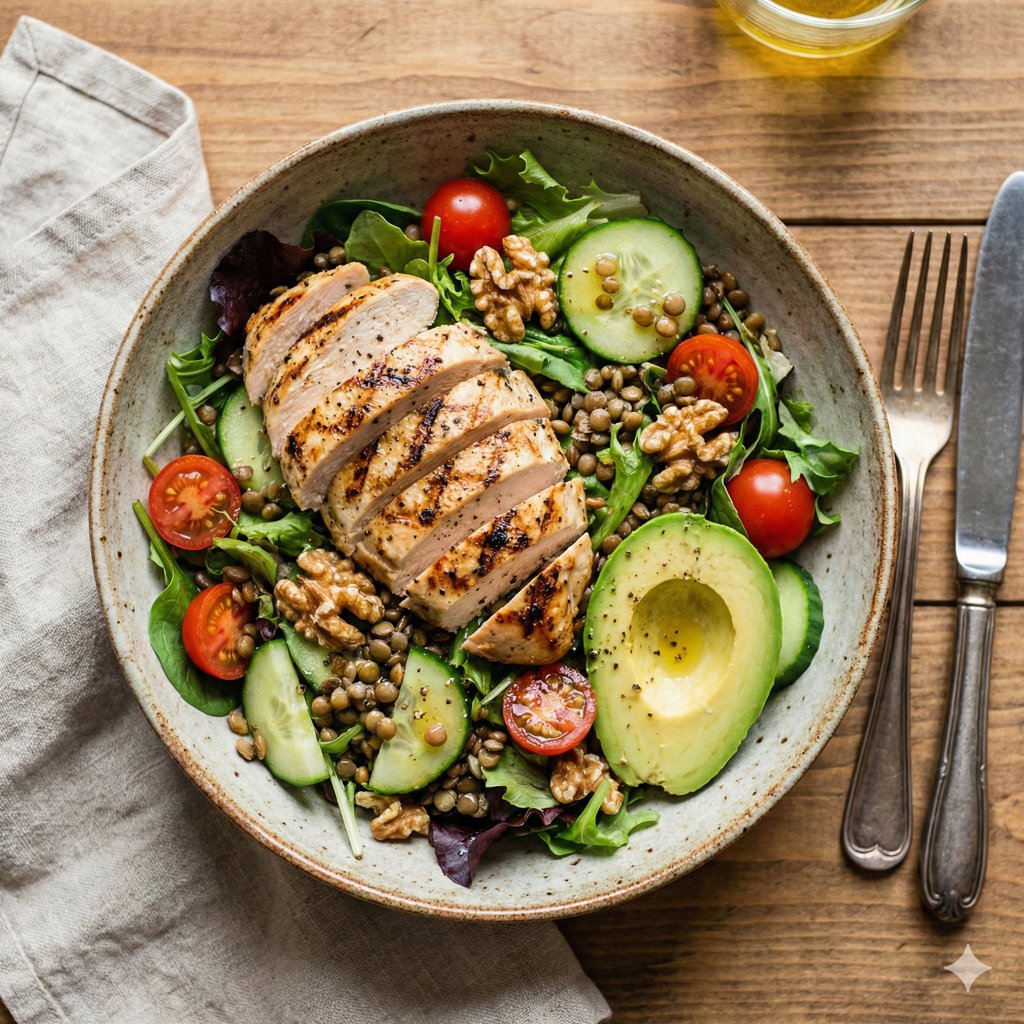
Let’s dispense with the pleasantries and look at the data on your lunch table. You believe you are making a virtuous choice by selecting the pre-packaged 'Chicken Breast Salad' (닭가슴살 샐러드) from the convenience store or your local café. You are statistically likely to be eating this for weight loss or muscle maintenance, driven by the simplistic 'calories in, calories out' dogma. However, an analytical audit of the ingredients reveal a product that is closer to a chemical experiment than a natural meal. The chicken breast itself is rarely just muscle tissue. To achieve that unnatural tenderness in a cold state, manufacturers inject the meat with a slurry of acidity regulators, modified food starches, and arguably the most concerning additive: sodium phosphates. These emulsifiers are used to force the meat to retain water, artificially inflating the weight and altering the texture. Excessive phosphate intake is clinically linked to vascular damage and accelerated aging of the kidneys. Furthermore, many 'smoked' or 'seasoned' varieties contain sodium nitrite, a preservative that, when exposed to high heat or the acidic environment of the stomach, can convert into nitrosamines—compounds classified by the IARC (International Agency for Research on Cancer) as Group 2A probable carcinogens. You aren't eating clean protein; you are consuming a highly processed meat product masquerading as health food. 📉
The quantitative failure of this meal lies primarily in its sodium content, which is nothing short of a metabolic disaster. A standard 100g serving of raw, unseasoned chicken breast contains approximately 50-70mg of naturally occurring sodium. However, the 'diet' chicken breast found in these salads often clocks in at 400mg to 900mg of sodium before you even touch the dressing. This is due to the brine injection and seasoning powders used to mask the flavor of low-quality meat. When you introduce the dressing—which we will analyze shortly—the total sodium load of a single 'light' salad bowl frequently exceeds 1,300mg. That is over 65% of the World Health Organization’s recommended daily limit, consumed in a single sitting. Physiologically, this massive influx of electrolytes triggers the Renin-Angiotensin-Aldosterone System (RAAS), forcing your body to retain fluid to dilute the sodium concentration in your blood. This leads to immediate systemic bloating and increased blood pressure. If you are eating this to look lean, you are failing; the water retention alone will obscure muscle definition and stress your cardiovascular system. It is a biological contradiction to consume a hypertensive inducing meal for the sake of 'health.'
We must then address the lipo-toxic sludge you pour over these greens: the dressing. Whether it is 'Oriental,' 'Honey Mustard,' or a creamy 'Ranch' variant, the base is almost invariably oxidized soybean or canola oil. These cheap industrial seed oils are excessively high in Omega-6 fatty acids (specifically linoleic acid), which promote systemic inflammation when not balanced by Omega-3s. The ratio in these dressings is disastrously skewed, contributing to oxidative stress at a cellular level. Moreover, the second or third ingredient is usually High Fructose Corn Syrup (HFCS) or plain sugar. A standard packet of honey mustard dressing contains between 10g to 15g of sugar. When you consume this liquid sugar alongside the protein, you trigger a rapid insulin spike. High insulin levels biochemically inhibit lipolysis (fat burning). Therefore, by drenching your salad in this dressing, you are effectively flipping a metabolic switch that tells your body to store energy as fat rather than burn it, completely negating the thermic effect of the protein. You are not eating a salad; you are eating leafy greens coated in inflammatory oil and syrup. ⚠️
Finally, we must scrutinize the 'fresh' vegetables and the packaging itself. The nutrient density of pre-cut, washed, and bagged lettuce degrades exponentially by the hour. Research indicates that water-soluble vitamins, particularly Vitamin C and B-complex vitamins, oxidize rapidly once the plant cell walls are ruptured during chopping. By the time this salad reaches your desk, it is a fibrous husk devoid of significant micronutrients. Furthermore, these salads are housed in plastic containers (PET or PP) that are often subjected to temperature fluctuations during transport. This increases the risk of phthalates and microplastics leaching into the food, particularly if the dressing is acidic. Additionally, the moist, enclosed environment of a plastic salad bowl is a breeding ground for bacteria like Listeria monocytogenes, which thrives at refrigerator temperatures. The illusion of freshness is a marketing gimmick. In conclusion, this product is an ultra-processed, sodium-saturated, inflammatory trap. If you cannot boil raw chicken and cut a fresh vegetable yourself, you are better off fasting than consuming this industrial fabrication.
📌 Truth Summary
- Sodium Overload: A single bowl often exceeds 1,300mg of sodium (65% of daily limit), causing hypertension and severe water retention.
- Carcinogenic Preservatives: Processed chicken often contains sodium nitrite and phosphates, linked to nitrosamine formation and vascular damage.
- Inflammatory Dressing: Dressings are primarily oxidized Omega-6 seed oils and sugar, spiking insulin and blocking fat burning.
- Nutrient Degradation: Pre-cut vegetables suffer massive oxidation of vitamins and risk microplastic leaching from packaging.