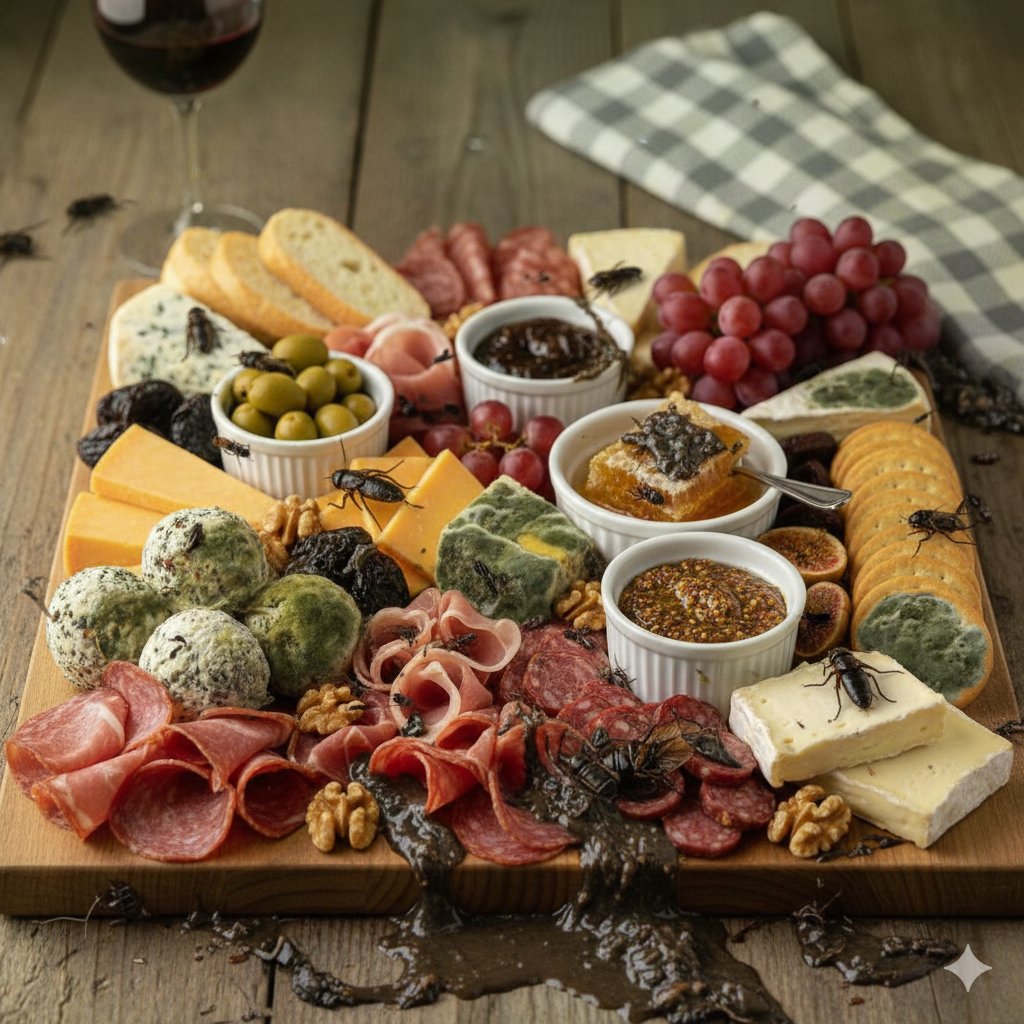
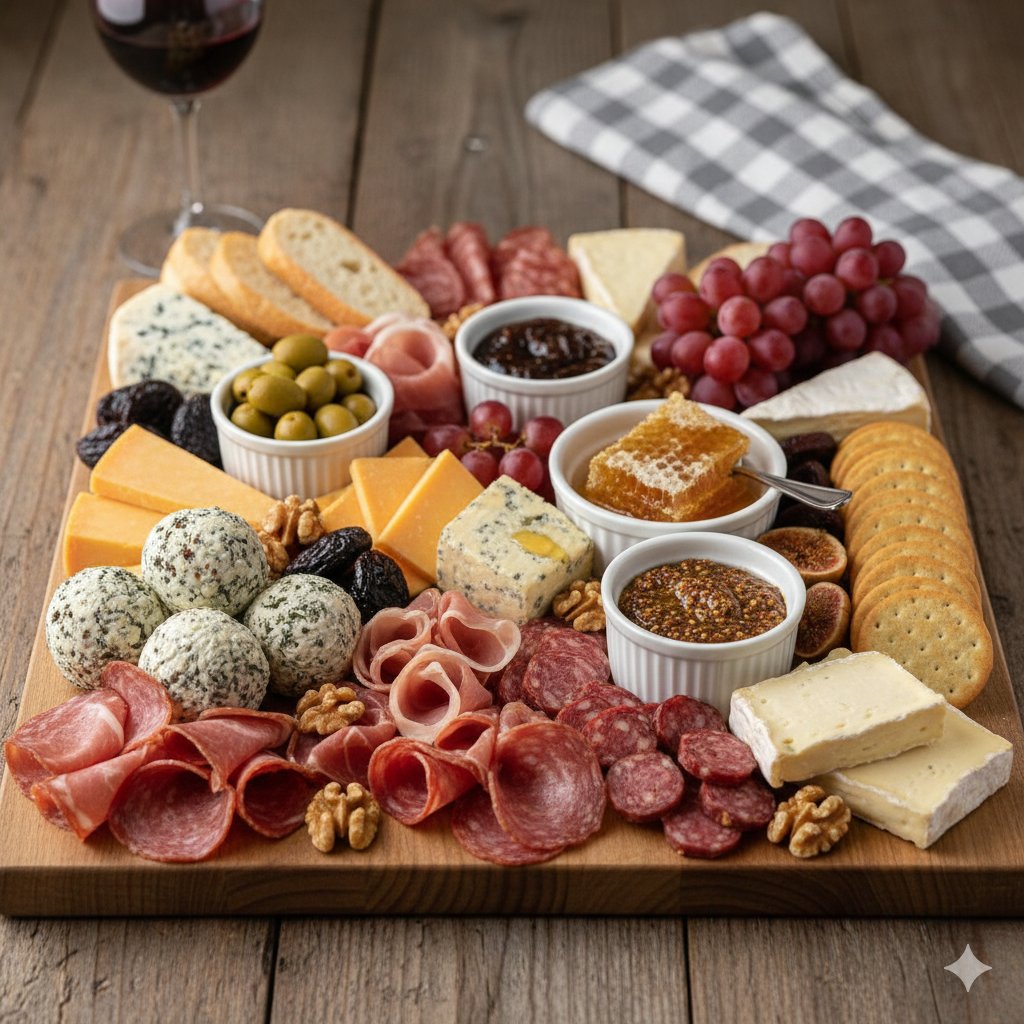
If there is a singular culinary manifestation of our generation's prioritization of aesthetics over biological imperative, it is the charcuterie board. Social media feeds are saturated with these artistic arrangements of cured meats and soft cheeses, often tagged as 'Girl Dinner' or hailed as a sophisticated grazing option. Let us strip away the wooden boards, the strategically placed rosemary sprigs, and the filtered photography to analyze what you are actually ingesting. From a biochemical standpoint, a standard charcuterie board is not a meal; it is a highly efficient delivery system for Class 1 carcinogens, excessive sodium, and inflammatory saturated fats. When you consume these boards, you are not engaging in a European tradition of leisure; you are subjecting your vascular and digestive systems to an acute stress test. The casual nature of 'grazing' masks the sheer volume of caloric density and toxicity being consumed. Unlike a plated meal, where portion control is visually inherent, the board encourages mindless, repetitive consumption of nutrient-poor, energy-dense compounds. We need to stop romanticizing what is effectively a metabolic insult on a wooden plank. 📉
Let us begin with the centerpiece: the cured meats. Salami, prosciutto, chorizo, and pepperoni are not merely 'salty meats'; they are processed carcinogens. In 2015, the World Health Organization’s International Agency for Research on Cancer (IARC) classified processed meats as Group 1 carcinogens—placing them in the same hazard category as tobacco smoking and asbestos. This is not hyperbole; this is established epidemiology. The preservation process involves smoking, curing, or salting, often with the addition of sodium nitrite (E250). When ingested, particularly in the presence of amino acids (which are abundant in the meat itself) and gastric acid, these nitrites convert into nitrosamines, which are potent DNA-damaging compounds linked specifically to colorectal cancer. A mere 50 grams of processed meat consumed daily—roughly equivalent to four or five slices of salami found on your board—increases the risk of colorectal cancer by 18%. Furthermore, the sodium content is catastrophic. A visually modest selection of cured meats can easily contain over 2,500mg of sodium, exceeding the American Heart Association's entire daily maximum limit of 2,300mg (and well over the ideal 1,500mg) in a single sitting. This induces immediate fluid retention, spikes blood pressure, and places immense strain on renal function as your kidneys struggle to maintain osmotic balance.
Moving to the cheese component, we encounter a matrix of saturated fats and caloric density that defies metabolic logic. While dairy has some nutritional utility, the types of cheese prioritized for charcuterie—Brie, Camembert, aged Cheddar, Gouda—are incredibly calorie-dense, often ranging from 100 to 120 calories per single ounce (28g). The issue here is the 'palatability trap.' The combination of high fat and high sodium bypasses the body's natural satiety signals (leptin), encouraging overconsumption. A standard 'snack' portion from a board often results in the ingestion of 60 to 80 grams of saturated fat, quadruple the recommended daily limit for heart health. This influx of dietary cholesterol and saturated fatty acids promotes the formation of low-density lipoprotein (LDL), the primary carrier of cholesterol that contributes to atherosclerosis (plaque buildup in arteries). Additionally, aged cheeses contain high levels of tyramine, an amino acid derivative known to trigger migraines and hypertensive crises in sensitive individuals. When you pair the tyramine in cheese with the nitrates in meat, you create a chemical cocktail that promotes inflammation and vascular constriction. 🚫
Finally, we must address the 'fillers'—the crackers, jams, and dried fruits that act as vehicles for the fats and meats. These are not benign additions. The crackers are typically refined carbohydrates, stripped of fiber, which spike blood glucose levels. The jams and dried fruits, often perceived as the 'fresh' element, are concentrated sources of fructose and added sugars. When you combine high saturated fat (cheese) with high refined carbohydrates (crackers/jam) and high sodium (meat), you create the 'supra-additive' effect. This specific macronutrient profile maximizes insulin resistance and fat storage. The body prioritizes burning the accessible sugar while the massive load of dietary fat is stored in adipose tissue. A visually appealing board for two people can easily exceed 3,000 calories, with a macronutrient profile that is almost entirely devoid of fiber, essential vitamins, or phytonutrients. You are eating caloric density with zero cellular utility. It is a biological scam. Stop photographing it and look at the toxicity report. The charcuterie board is not sophistication; it is a bio-accumulative nightmare.
📌 Truth Summary
- Group 1 Carcinogens: The cured meats (salami, prosciutto) contain nitrates that convert to nitrosamines, directly linked to an 18% increase in colorectal cancer risk per 50g daily intake.
- Sodium Toxicity: A single session of grazing can easily surpass 2,500mg of sodium, causing immediate vascular constriction, kidney stress, and hypertension.
- Saturated Fat Overload: The combination of fatty meats and cheeses can deliver 4x the daily limit of saturated fat, accelerating LDL cholesterol production and arterial plaque formation.
- Metabolic Disruption: The fat-sugar-sodium triad bypasses satiety hormones (leptin), promoting massive caloric surplus (often 1,500+ calories/person) and insulin resistance.