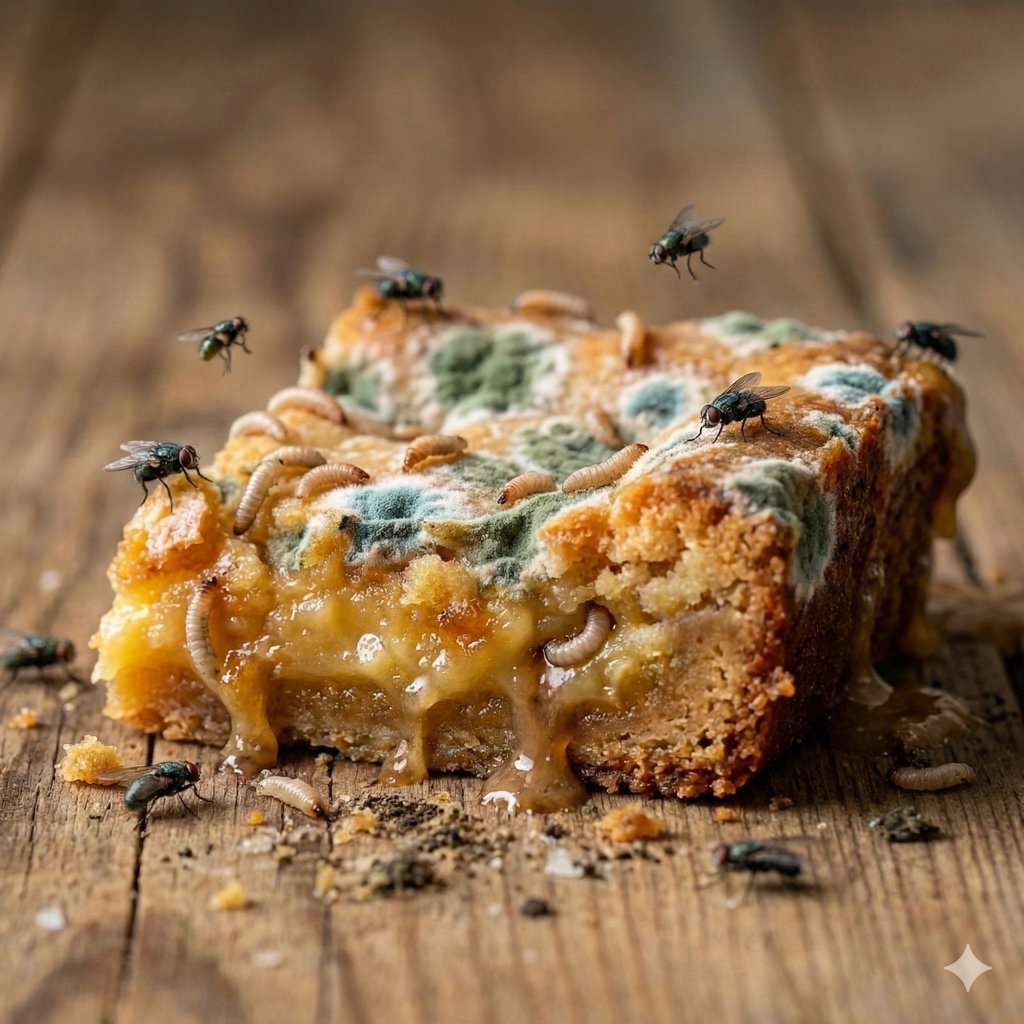
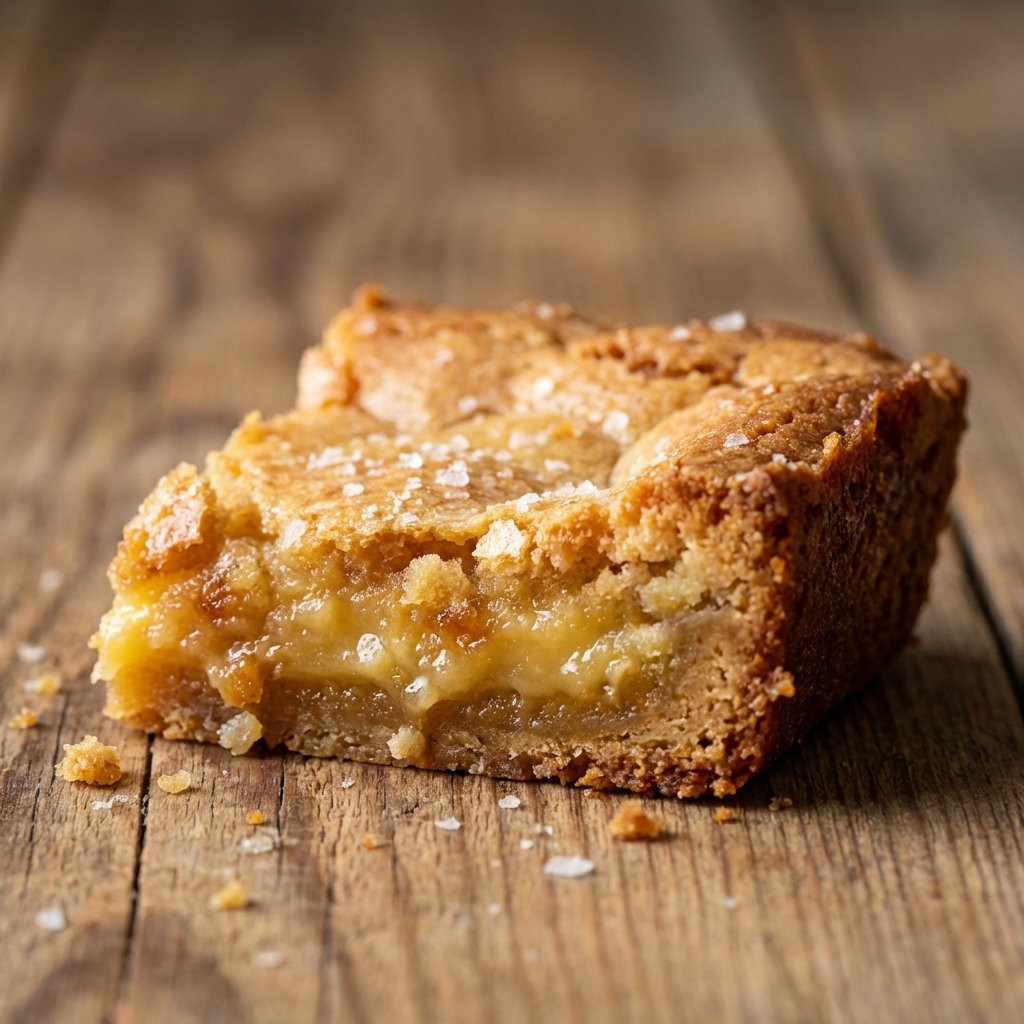
Let us dispense with the culinary romanticism and analyze the 'Butter Bar' for what it objectively is: a solidified block of metabolic insult. While social media trends fetishize its density and 'chewy' texture, a cold look at the macronutrient profile reveals a nutritional disaster. A standard butter bar, often weighing between 120g to 150g, is not merely a treat; it is a caloric weapon. We are observing a food item that frequently exceeds 650 to 800 calories per serving. To put this into perspective, you are ingesting the caloric equivalent of a substantial meal, yet it is compressed into a dense rectangle devoid of fiber, micronutrients, or satiating protein. The primary appeal of this confection—its heavy, fudgy consistency—is achieved by manipulating the ratio of fat to flour to a point where the gluten network is literally drowned in lipids. From a thermodynamic standpoint, consuming this is an act of violence against your body's energy regulation systems. The sheer density means that the gastric distension signals (mechanoreceptors in the stomach that tell you you're full) are delayed. By the time your brain registers satiety, you have already flooded your bloodstream with a surplus of energy that the liver has no choice but to convert immediately into visceral adipose tissue. 📉
The lipid profile of the Butter Bar is perhaps its most egregious offense. As the name explicitly suggests, the primary binding agent is butter, which is approximately 51% saturated fat. In a single bar, you are likely consuming upwards of 40 grams of fat, with 25 grams or more being saturated. This single item pushes the average adult past 100% of the American Heart Association's recommended daily limit for saturated fat intake. We are dealing specifically with palmitic acid, a long-chain saturated fatty acid known to downregulate LDL receptors in the liver, leading to an accumulation of Low-Density Lipoprotein (LDL) in the bloodstream. This is not benign cholesterol; this is the substrate for atherosclerosis. Furthermore, the modern Butter Bar often incorporates processed 'compounded butter' or margarine blends to stabilize texture, introducing trans-fats or interesterified fats which are chemically altered to remain solid at room temperature. These fats are linked to systemic inflammation and endothelial dysfunction, stiffening the arterial walls within hours of consumption. When you eat this, you are effectively inducing a state of acute postprandial lipemia, where the blood becomes turbid with triglycerides, impairing oxygen transport and increasing the risk of thrombotic events.
If the fat content creates the environment for disease, the sugar content pulls the trigger. The 'gooey' texture that fans of this dessert rave about is chemically achieved by undercooking a mixture high in refined sucrose and often corn syrup or brown sugar. We are looking at a glycemic load that is off the charts. When you combine this massive bolus of sugar (often 40-50g per bar) with a high-fat matrix, you trigger the 'Randle Cycle.' Essentially, the high levels of free fatty acids in the blood inhibit the cells' ability to oxidize glucose, while the high glucose levels inhibit fat oxidation. Your metabolism enters a gridlock. The pancreas is forced to secrete supraphysiological levels of insulin to manage the blood sugar spike. Over time, this repeated hyperinsulinemia desensitizes the insulin receptors, paving the direct path to Type 2 Diabetes. Moreover, the dense sugar concentration creates a hypertonic environment in the gut, drawing water out and potentially disrupting the microbiome balance, feeding pathogenic bacteria that thrive on simple sugars. It is a dual-pronged attack: systemic insulin resistance combined with gut dysbiosis. 🧪
Finally, we must address the chemical changes induced by the preparation method. The Butter Bar relies on the Maillard reaction to create its golden-brown crust and rich flavor profile. However, when starch and sugar are subjected to high heat in a low-moisture environment (which is necessary to create a 'bar' rather than a cake), there is a significant risk of acrylamide formation. Acrylamide is a Group 2A probable human carcinogen. While the levels in a single pastry may seem negligible to the uneducated, the cumulative exposure in a diet high in processed, browned carbohydrates is statistically significant. Additionally, the combination of high-heat baking and high sugar content generates Advanced Glycation End-products (AGEs). These compounds bind to collagen and elastin in the body, contributing to premature aging of the skin and, more dangerously, stiffening of the cardiovascular tissue. Add to this the sodium content—often elevated to 400mg+ to cut through the sweetness—and you have a recipe that spikes blood pressure while degrading vascular health. The Butter Bar is not food; it is a palatable formulation of chronic disease markers. Avoid it entirely.
📌 Truth Summary
- Lipid Toxicity: Contains over 120% of the daily limit for saturated fat, specifically palmitic acid, which actively promotes arterial plaque formation and endothelial stiffness.
- The Randle Cycle Effect: The simultaneous ingestion of massive fat and sugar loads causes metabolic gridlock, inducing acute insulin resistance and prohibiting fat oxidation.
- Carcinogenic Byproducts: The high-heat browning of the sugar-starch matrix generates acrylamide and Advanced Glycation End-products (AGEs), which accelerate cellular aging and inflammation.
- Caloric Density: A single 150g bar creates a deceptive satiety delay, delivering a 600-800 calorie bomb that facilitates rapid visceral fat accumulation before the brain registers fullness.