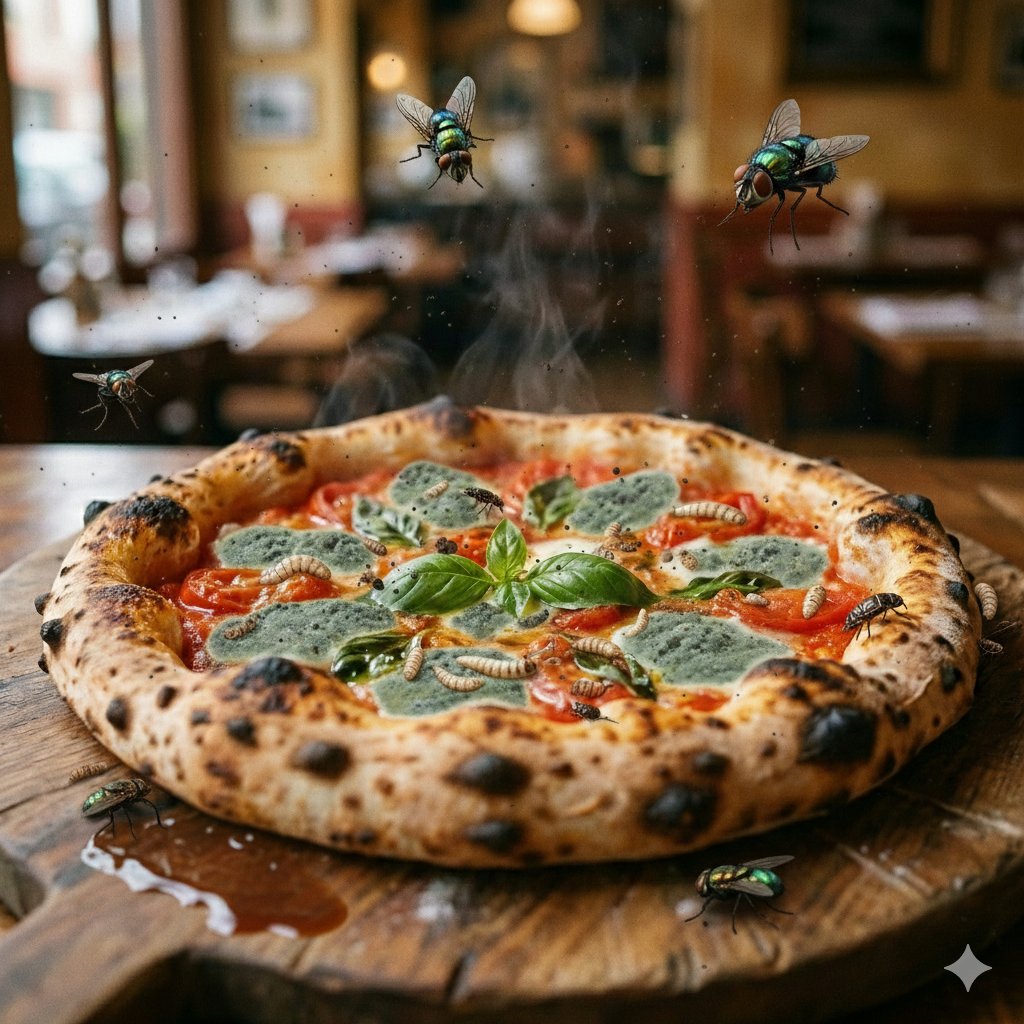
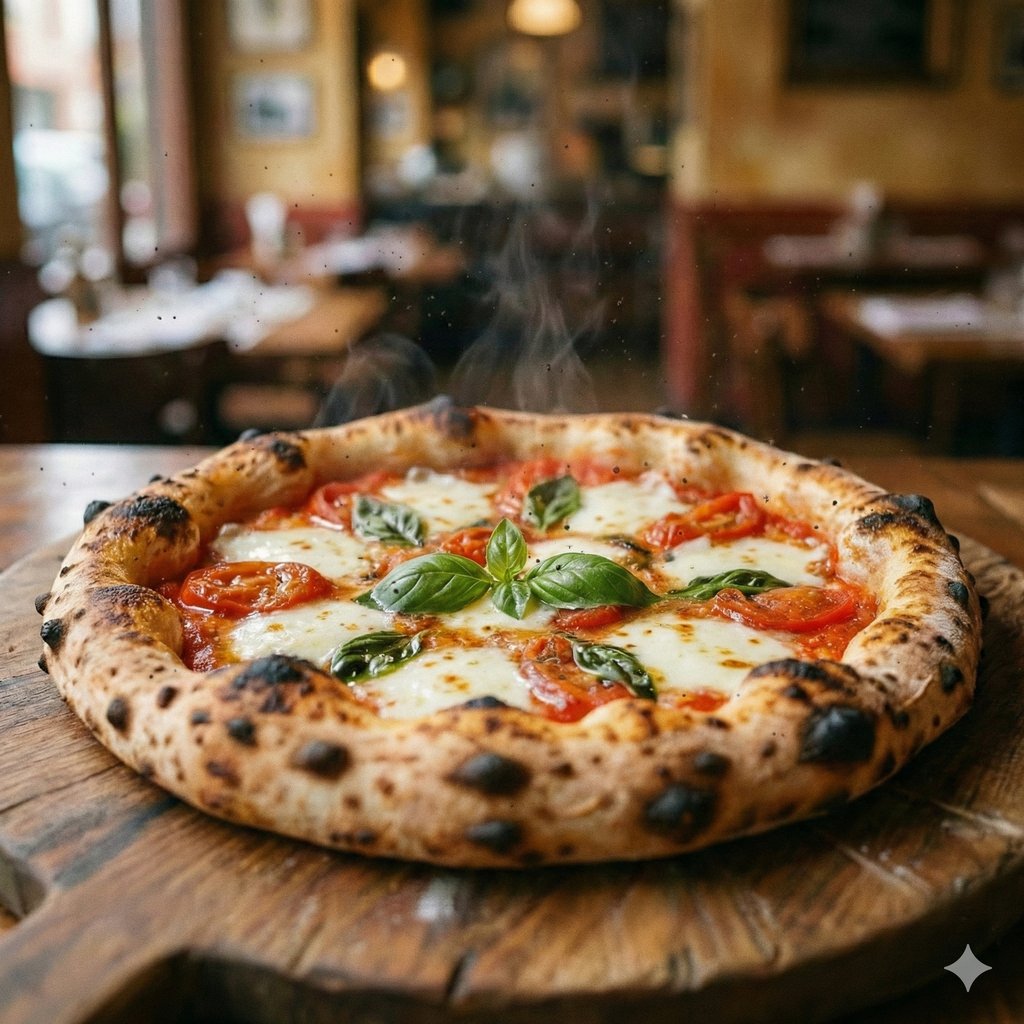
The romanticization of brick oven pizza is a triumph of marketing over metabolism. You see 'artisanal' tradition; I see a glycemic catastrophe wrapped in a health halo. Let’s strip away the rustic aesthetic and look at the biochemistry. The foundation of this dish is almost exclusively Type 00 flour, a highly refined carbohydrate that has been aggressively milled to remove the bran and the germ, leaving behind only the starchy endosperm. When you ingest this, your body treats it almost identically to table sugar. The lack of fiber results in rapid gastric emptying and an immediate, violent spike in blood glucose. We are talking about a Glycemic Index (GI) often exceeding 75. This forces your pancreas to flood your system with insulin to manage the load, promoting fat storage specifically in the visceral abdominal region. A standard 12-inch 'personal' margherita pizza contains roughly 100-120 grams of net carbohydrates. For the average sedentary adult, that is enough to induce postprandial hyperglycemia, leading to the inevitable crash, lethargy, and cravings for more sugar hours later. It is metabolic syndrome served on a wooden peel. 📉
Let’s discuss the specific thermodynamics of the brick oven and the celebrated 'char.' Foodies and chefs fetishize the 'leopard spotting' on the crust, claiming it adds flavor complexity. Scientifically, that char is toxicity. When starch and proteins are subjected to temperatures exceeding 800°F (425°C)—standard for wood-fired ovens—the Maillard reaction progresses into pyrolysis. This creates Acrylamide, a chemical compound classified by the IARC as a Group 2A probable human carcinogen. Furthermore, if you are consuming a pizza with any cured meats, the extreme radiant heat facilitates the formation of Heterocyclic Amines (HCAs) and Polycyclic Aromatic Hydrocarbons (PAHs). These are mutagenic compounds known to damage DNA. By eating that 'perfectly charred' crust, you are essentially ingesting the same class of toxins found in cigarette smoke and industrial exhaust. The wood smoke itself, while aromatic, deposits particulate matter (PM 2.5) directly onto the surface of the food. You aren't tasting 'tradition'; you are tasting combustion byproducts.
Beyond the carcinogenic crust, the sodium and fat profile of brick oven pizza is a hypertensive nightmare. Do not be fooled by 'fresh' ingredients. A standard dough ball contains significant salt to control yeast fermentation and strengthen gluten structure. Add to that the tomato sauce—often reduced to concentrate flavor and sodium—and the cheese. Mozzarella, even the high-end buffalo variety, is a matrix of saturated fat and sodium. A single 'light' artisan pizza can easily deliver 2,000mg to 2,500mg of sodium, obliterating the American Heart Association's ideal limit of 1,500mg for the entire day in a single sitting. This massive influx of sodium forces your cardiovascular system to retain water to dilute the salinity in your blood, drastically increasing blood volume and placing immense mechanical stress on your arterial walls. Simultaneously, the saturated fat from the cheese and the 'finishing drizzle' of olive oil (often oxidized by the residual heat) drives up LDL cholesterol. It is a calculated, dual attack on your vascular health.
Finally, we must address the caloric density versus satiety ratio. Brick oven pizza is chemically engineered to be hyper-palatable, bypassing your brain's 'stop' signals. The combination of salt, sugar (from the refined flour and tomatoes), and fat creates the 'bliss point.' You can consume 1,200 calories in under 20 minutes and feel not only unsatisfied but bloated due to the inflammatory response triggered by the massive gluten load and casein. The 'lightness' of the crust is deceptive; it is calorically dense but nutritionally void. You are consuming empty energy that provides zero micronutrient value—no significant vitamins, no antioxidants (mostly destroyed by the extreme heat), and minimal minerals. It is an efficient delivery system for visceral fat and systemic inflammation. If you value your longevity and metabolic flexibility, view this food not as a treat, but as a significant health risk. 🚫
📌 Truth Summary
- Carcinogenic Char: The 'leopard spots' contain Acrylamide and PAHs, known carcinogens formed by pyrolysis at 800°F+.
- Glycemic Disaster: Refined Type 00 flour causes extreme insulin spikes similar to pure sugar, promoting visceral fat storage.
- Sodium Overload: A single pie often exceeds 2,000mg of sodium (133% of daily ideal), straining arterial walls.
- Nutritional Void: 1,000+ calories of hyper-palatable, inflammatory empty energy with zero micronutrient density.